Films
2 films
About Umberto Mozzato
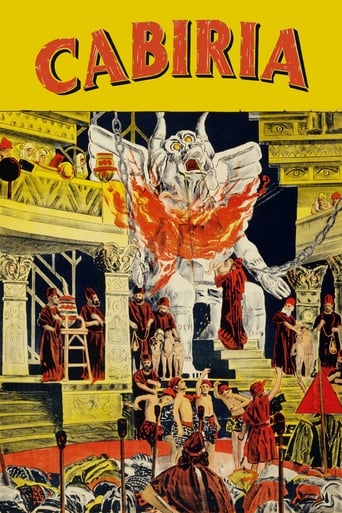
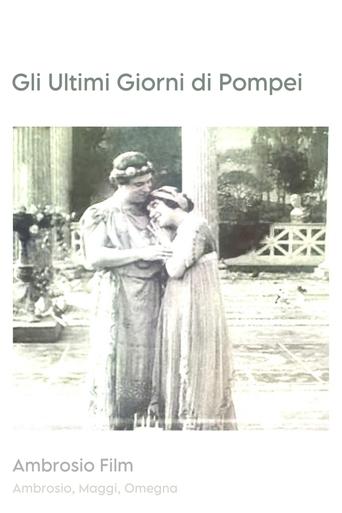
Italian actor who emerged during the days of cinema, making his mark in the silent era of Italian filmmaking. His career, though brief, coincided with the birth of narrative cinema and Italy's emergence as a major force in international film production. Mozzato appeared in some of the most significant early Italian epics, showcasing the grand scale and artistic ambition that characterized Italian cinema of this period. His most notable work came in 1914 with his appearance in 'Cabiria,' directed by Giovanni Pastrone, which revolutionized cinematic storytelling with its epic scope and innovative techniques. Earlier in his career, he appeared in 'The Last Days of Pompeii' (1908), another landmark Italian production that demonstrated the country's early dominance in historical epics. While his filmography was limited to the early years of cinema, Mozzato's contributions came during a crucial transitional period when film was evolving from simple novelty to sophisticated art form. His performances helped establish the dramatic conventions that would influence generations of actors in Italian cinema.
The Craft
On Screen
Mozzato embodied the theatrical, exaggerated acting style typical of the silent era, using broad gestures and expressive facial features to convey emotion to audiences without dialogue. His performances were characterized by the melodramatic intensity that defined early Italian cinema, where actors needed to project emotion across large theater screens to audiences who couldn't hear their voices. In epics like 'Cabiria,' his style suited the grand scale of the productions, helping to establish the heroic archetypes that would become standard in historical films.
Milestones
- Appeared in 'The Last Days of Pompeii' (1908), one of the earliest Italian feature films
- Starred in 'Cabiria' (1914), considered
- Participated in Italy's golden age of silent cinema when the country dominated international film production
- Worked during the transitional period when cinema evolved from short subjects to feature-length narratives
Best Known For
Iconic Roles
Must-See Films
Accolades
Special Recognition
- Recognized as a pioneer of Italian silent cinema
Working Relationships
Worked Often With
Studios
Why They Matter
Impact on Culture
Umberto Mozzato, while not a major star, contributed to two of the most important films in early cinema history that helped establish Italy's dominance in the international film market during the silent era. 'The Last Days of Pompeii' and 'Cabiria' were not just entertainment but artistic achievements that demonstrated cinema's potential as a serious art form capable of epic storytelling. These films influenced filmmakers worldwide, including D.W. Griffith, who reportedly drew inspiration from 'Cabiria' for his own epic 'Intolerance' (1916). Mozzato's participation in these productions places him among the pioneers who helped establish the language of cinema.
Lasting Legacy
Mozzato's legacy is tied to the groundbreaking films he appeared in during cinema's infancy. While he may not be remembered as an individual performer, his contribution to films like 'Cabiria' ensures his place in film history as part of the ensemble that created one of cinema's earliest masterpieces. These films continue to be studied by film scholars and historians as examples of early cinematic innovation, and by extension, Mozzato's work remains part of the foundation upon which modern cinema was built.
Who They Inspired
As an early film actor, Mozzato was part of the generation that established acting techniques for the silent screen. The theatrical, expressive style he employed influenced subsequent generations of silent film actors, particularly in Italian cinema. The epic films he appeared in set standards for historical and adventure films that would influence Hollywood productions for decades, establishing conventions for costume design, set construction, and narrative structure in historical epics.
Off Screen
Very little is documented about Umberto Mozzato's personal life, which was common for many early film actors whose contributions were not extensively recorded in film histories. As an actor during cinema's formative years, he was part of a generation of performers who helped establish the foundations of film acting before the star system fully developed. His career coincided with the peak of Italian silent film production, a period when Italian films dominated international markets.
Did You Know?
- Appeared in 'Cabiria' (1914), which featured what many consider the first moving camera shot in cinema history
- Worked during Italy's 'golden age' of silent cinema when Italian films dominated the international market
- The Last Days of Pompeii (1908) was one of the earliest feature-length films ever produced
- Cabiria was so popular that it inspired a genre of films known as 'cabirias' - historical epics with spectacular sets and effects
- The film was so successful internationally that it helped establish the feature film as the standard format for cinema
- Cabiria featured the first recurring film character, Maciste, who would spawn his own film series
- Mozzato worked in cinema before the star system was fully established, when actors were often uncredited
- Italian cinema of this period was known for its spectacular sets and thousands of extras
- Cabiria's running time of approximately 148 minutes was extraordinarily long for its time
- The film's success led to a worldwide boom in historical epic productions
Frequently Asked Questions
Who was Umberto Mozzato?
Italian with credits in this catalog. Active 1908–1914 in this catalog, coinciding with the golden age of Italian silent cinema.
What films is Umberto Mozzato best known for?
Titles linked here include The Last Days of Pompeii (1908), Cabiria (1914).
When was Umberto Mozzato born and when did he die?
Born 1883; died 1962.
What awards did Umberto Mozzato win?
There are no recorded awards or nominations for Umberto Mozzato, which was common for actors working in the very early days of cinema before formal award systems like the Academy Awards were established. His recognition comes from his participation in historically significant films rather than individual accolades.
What was Umberto Mozzato's acting style?
Mozzato employed the theatrical, exaggerated acting style typical of the silent era, using broad gestures and expressive facial features to convey emotion without dialogue. This melodramatic approach was standard in early Italian cinema and suited the epic scale of the productions in which he appeared.