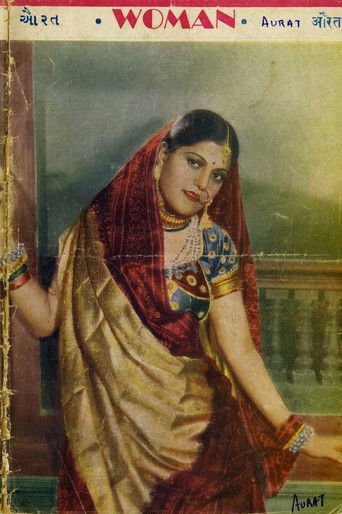
Films
2 films

About Vatsala Kumthekar
Vatsala Kumthekar worked on one surviving credit: Aurat (1940). She gained recognition for her roles in significant films of that period, most notably in Mehboob Khan's film 'Aurat' (1940), which was later remade as the 'Mother India' (1957). Her performance in 'Aurat' showcased her ability to portray complex emotional characters in an era when Indian cinema was transitioning from theatrical to more realistic acting styles. Kumthekar appeared in 'Chand' (1944), further establishing her presence in the film industry during a crucial period of Indian cinema's development. Her career, though relatively brief, coincided with the formative years of Bollywood when the industry was establishing its identity and storytelling conventions. She worked alongside some of the actors and directors who shaped early Indian cinema, contributing to films that addressed social themes relevant to contemporary Indian society.
The Craft
On Screen
Vatsala Kumthekar's acting style reflected the transitional period of Indian cinema from theatrical to more naturalistic performances. Her work in 'Aurat' demonstrated the emotional depth required for the emerging realistic cinema of the 1940s, moving away from the exaggerated gestures common in earlier Indian films.
Milestones
- Starred in Mehboob Khan's 'Aurat' (1940)
- Appeared in 'Chand' (1944)
- Worked during the formative period of Indian talkie cinema
Best Known For
Iconic Roles
Must-See Films
Working Relationships
Worked Often With
Why They Matter
Impact on Culture
Vatsala Kumthekar contributed to early Indian cinema during a pivotal decade when the film industry was establishing its artistic and cultural identity. Her role in 'Aurat' (1940) was particularly significant as this film dealt with themes of rural life, motherhood, and social justice that would become recurring motifs in Indian cinema. The film's later remake as 'Mother India' cemented its place in cinematic history, making Kumthekar's contribution to the original production historically noteworthy.
Lasting Legacy
Though her career was brief, Vatsala Kumthekar's work represents an important chapter in the development of Indian cinema. Her participation in 'Aurat' connects her to. Her performances during the early 1940s helped bridge the gap between the theatrical acting styles of early Indian cinema and the more nuanced performances that would emerge in later decades.
Who They Inspired
As an actress working during the foundational period of Indian talkies, Vatsala Kumthekar was part of the generation that helped establish acting conventions for Indian cinema. Her work in socially relevant films like 'Aurat' contributed to the tradition of meaningful cinema that addressed social issues, a tradition that continues to influence Indian filmmakers today.
Off Screen
Limited information is available about Vatsala Kumthekar's personal life, which was common for many actors of her era who maintained privacy despite their public careers.
Did You Know?
- Appeared in 'Aurat' (1940), which was later remade by the same director Mehboob Khan as 'Mother India' (1957)
- Her active years covered the early 1940s, a crucial period for Indian cinema's transition to more sophisticated storytelling
- Worked during the era when Indian cinema was establishing its unique identity separate from Western film influences
- Participated in films that dealt with social themes relevant to pre-independence India
- Her filmography represents the type of meaningful cinema that characterized the golden era of Indian film
Frequently Asked Questions
Who was Vatsala Kumthekar?
Indian actress active in the early 1940s, best known for her role in Mehboob Khan's influential film 'Aurat' (1940). She worked during a formative period of Indian cinema when the industry was developing its distinctive style and narrative approaches.
What films is Vatsala Kumthekar best known for?
When was Vatsala Kumthekar active in films?
Vatsala Kumthekar was active in the Indian film industry from 1940 to 1944, working during the early talkie era of Indian cinema when the industry was establishing its artistic conventions and social relevance.
What was significant about her role in 'Aurat' (1940)?
Her role in 'Aurat' was significant because the film was a groundbreaking production that addressed social themes and was later remade as 'Mother India', one of Indian cinema's most celebrated films. The original established important narrative patterns in Indian cinema.
What was Vatsala Kumthekar's contribution to Indian cinema?
Kumthekar contributed to the development of Indian cinema during its formative years, participating in films that helped establish the tradition of socially relevant cinema in India. Her work in 'Aurat' connects her to.