
Yakub
Actor
Born: 1904 in Lahore, Punjab, British India Died: 1956 Active: 1930s-1950s Birth Name: Mohammad Yakub
Films
2 films
About Yakub
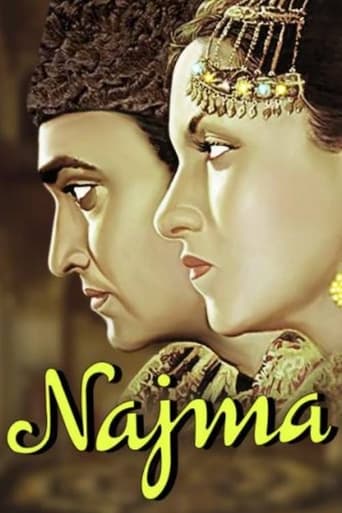
prominent character actor in the golden era of early Hindi cinema — known for his versatile performances primarily in villain and supporting roles. He began his career in the 1930s and rose to prominence during the 1940s, becoming recognizable faces in Indian cinema of that period. His acting over two decades, during which he appeared in numerous landmark films that shaped early Bollywood. Yakub was particularly known for his imposing screen presence and ability to portray complex antagonistic characters with depth and nuance. He worked with some of the biggest stars and directors of his time, including appearing in films with actors like Ashok Kumar and Dev Anand. His performances in films like 'Najma' (1943) and 'Badi Maa' (1945) showcased his remarkable range and established him as a reliable character actor. Despite being typecast in villainous roles, Yakub managed to bring humanity and complexity to his characters, making them memorable and impactful. His contribution to early Indian cinema was significant, helping establish the archetype of the sophisticated villain in Bollywood films.
The Craft
On Screen
Yakub was known for his commanding screen presence and sophisticated portrayal of villains. He brought a certain elegance and intelligence to his antagonistic roles, often playing wealthy businessmen, zamindars, or sophisticated criminals. His acting style was characterized by precise diction, expressive eyes, and the ability to convey menace through subtle gestures rather than overt theatrics. Unlike many villains of his era, Yakub's characters were often multi-dimensional, with clear motivations and occasionally redeeming qualities.
Best Known For
Iconic Roles
Must-See Films
Accolades
Won
- No major formal awards documented (era pre-dated many award systems)
Nominated
- No formal nominations documented
Special Recognition
- Recognized as one of the character actors of Indian cinema
- Remembered for contributing to the golden age of Hindi cinema
Working Relationships
Worked Often With
Studios
Why They Matter
Impact on Culture
Yakub played a significant role in shaping the archetype of the sophisticated villain in early Hindi cinema. His performances helped establish a template for antagonistic characters that combined menace with intelligence and refinement. He contributed to the evolution of Indian cinema from theatrical acting styles to more naturalistic performances. His work in films like 'Najma' and 'Badi Maa' demonstrated how character actors could elevate films with nuanced performances, paving the way for future generations of supporting actors in Bollywood.
Lasting Legacy
Yakub's legacy lies in his contribution to establishing the importance of character actors in Indian cinema. He proved that supporting roles could be as impactful as lead roles when performed with skill and dedication. His sophisticated portrayal of villains set a standard that influenced many actors who followed. Though not as widely remembered as lead actors of his era, film historians and classic cinema enthusiasts recognize his significant contributions to the golden age of Hindi cinema.
Who They Inspired
Yakub influenced subsequent generations of character actors in Hindi cinema, particularly those specializing in villain roles. His approach of bringing depth and sophistication to antagonistic characters became a model for actors like Pran, Ajit, and Amrish Puri in later decades. His ability to maintain dignity while playing negative roles showed that character actors could achieve both critical acclaim and audience respect.
Off Screen
Yakub was known to be a private individual who kept his personal life away from the limelight. He was respected in the film industry for his professionalism and dedication to his craft. Despite often playing villains on screen, colleagues described him as a gentle and kind-hearted person off-screen. He maintained good relationships with his co-stars and was known for his punctuality and commitment to his roles.
Education
Educational background not extensively documented, typical of actors of his era
Family
- Information not widely documented
Did You Know?
- Often credited simply as 'Yakub' in film credits
- Was one of the highest-paid character actors of his time
- Known for his distinctive voice and dialogue delivery
- Worked in both Hindi and Urdu language films
- His death in 1956 marked the end of an era for character actors
- Appeared in films with some of the biggest stars of the 1940s
- Was particularly popular for his roles as zamindars and wealthy businessmen
- His active years covered the transition from studio system to independent productions
- Maintained a consistent screen presence despite changing film trends
- Was known for his professionalism and reliability on film sets
In Their Own Words
Information about specific quotes not extensively documented from this era
Frequently Asked Questions
Who was Yakub?
Prominent character with credits in this catalog. He was best known for playing sophisticated villain and supporting roles in numerous classic films of the golden era of Indian cinema.
When was Yakub born and when did he die?
Born 1904; died 1956.
What awards did Yakub win?
During Yakub's active years, formal award systems for Indian cinema were not yet established. However, he was recognized as one of the character actors and received critical acclaim for his performances, particularly for his sophisticated portrayal of villains.
What was Yakub's acting style?
Yakub was known for his sophisticated and nuanced portrayal of villains, bringing elegance and intelligence to his antagonistic roles. His acting style featured precise diction, expressive performances, and the ability to convey menace through subtle gestures rather than overt theatrics.