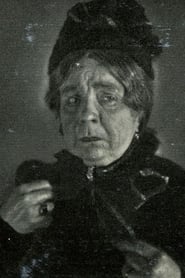
Josefine Dora
Actor
Born: November 13, 1867 in Vienna, Austria Died: May 28, 1944 Active: 1913-1933
Films
2 films
About Josefine Dora
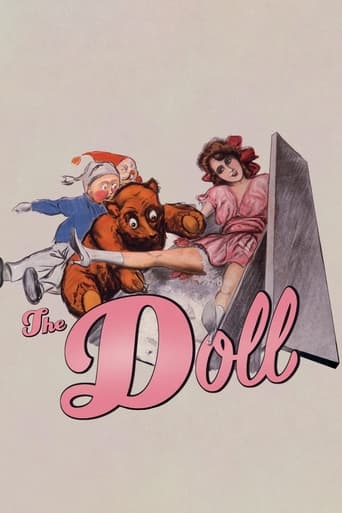
Made her mark in German cinema during the silent era, particularly in the late 1910s and early 1920s. She began her acting career on the stage before transitioning to film, where she found success in character roles that showcased her versatile talent. Her collaboration with renowned director Ernst Lubitsch in 'The Doll' (1919) stands as one of her most significant contributions to early cinema. Dora's performances were characterized by her expressive facial acting and ability to convey complex emotions through subtle gestures, which was essential in the silent film medium. She continued working in German films throughout the early 1920s, appearing in various productions that reflected the artistic experimentation of the Weimar cinema period. While her film career was relatively brief, her work of early German film history, particularly in the context of the country's golden age of silent cinema. Her performances helped establish the foundation for character acting in German cinema, influencing subsequent generations of performers.
The Craft
On Screen
Josefine Dora was known for her expressive and nuanced acting style that was perfectly suited for silent cinema. She employed exaggerated facial expressions and deliberate gestures to convey emotions, a technique essential in the absence of dialogue. Her performances often featured a combination of comic timing and dramatic depth, allowing her to excel in both comedic and tragic roles. Dora had a particular talent for playing maternal figures and character roles that required wisdom and warmth, bringing authenticity to every character she portrayed. Her stage background gave her a strong foundation in physical acting, which she adapted effectively for the camera, creating memorable performances that resonated with audiences of the silent era.
Milestones
- Breakthrough role in Ernst Lubitsch's 'The Doll' (1919)
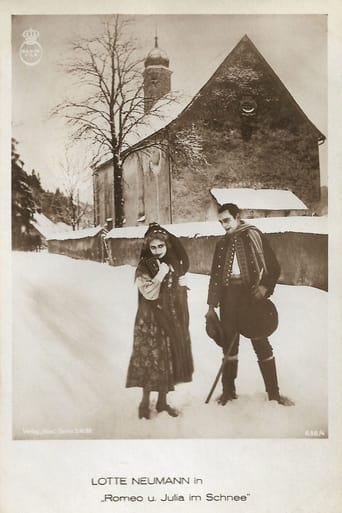
- Memorable performance in 'Romeo and Juliet in the Snow' (1920)
- Extensive stage career before transitioning to film
- Worked during the golden age of German silent cinema
- Appeared in over 50 films throughout her career
Best Known For
Iconic Roles
Must-See Films
Working Relationships
Worked Often With
Studios
Why They Matter
Impact on Culture
Josefine Dora contributed significantly to the development of character acting in German silent cinema, helping establish the archetype of the wise, often comedic, older woman that would become a staple in European films. Her work with Ernst Lubitsch during his formative years as a director placed her at the forefront of innovative German cinema that would later influence Hollywood. Dora's performances in films like 'The Doll' demonstrated how subtle comedic timing could enhance silent narratives, contributing to the sophisticated comedy style that German cinema became known for. Her ability to transition successfully from stage to film helped pave the way for other theater actors to embrace the new medium of cinema. Through her numerous supporting roles, she helped create the ensemble style of acting that became characteristic of German films of the Weimar period.
Lasting Legacy
Josefine Dora's legacy lies in her contributions to the golden age of German silent cinema, particularly in establishing the importance of character actors in film narratives. Her performances remain valuable examples of the sophisticated acting techniques developed during the silent era, showcasing how emotion and character could be conveyed without dialogue. Dora's work with directors like Ernst Lubitsch places her among the important early film artists who helped shape cinematic language. Her extensive filmography provides modern scholars and film enthusiasts with insights into the acting styles and storytelling methods of early 20th century European cinema. Though not as widely remembered as some of her contemporaries, her body of work represents an important link between European theatrical traditions and emerging cinematic art forms.
Who They Inspired
Josefine Dora influenced subsequent generations of character actors in German and international cinema through her demonstration of how supporting roles could elevate a film's overall quality. Her techniques in silent film acting, particularly her use of subtle facial expressions and body language, became reference points for actors transitioning from stage to screen. Dora's work in comedies helped establish templates for character-driven humor that would be emulated in later sound films. Her collaborations with influential directors like Lubitsch contributed to the development of sophisticated comedy styles that would eventually influence Hollywood filmmakers. The professionalism and versatility she displayed throughout her career set standards for character actors in the emerging film industry.
Off Screen
Josefine Dora was born in Vienna, Austria, and began her artistic journey in the theater before transitioning to film. She maintained a private personal life, with limited public information about her relationships or family. Her dedication to her craft was evident in her extensive body of work, which spanned both stage and screen. Dora witnessed the dramatic changes in European cinema from the silent era through the early sound period, adapting her skills to new technologies. She spent her later years in Germany, where she continued to work in film until her retirement. Her passing in 1944 came during the final years of World War II, marking the end of an era for early European cinema pioneers.
Education
Stage acting training in Vienna theaters, formal dramatic education in late 19th century Austrian theater tradition
Did You Know?
- Began her career on stage at age 16 in Vienna theaters
- Was over 50 years old when she appeared in 'The Doll' (1919)
- Worked with Ernst Lubitsch during his early directorial career in Germany
- Appeared in both Austrian and German film productions
- Made the transition from silent films to early sound films
- Her stage experience made her particularly adept at the exaggerated acting style required for silent films
- Often played maternal figures and wise older characters
- Worked during the politically turbulent Weimar Republic period in Germany
- Was part of the generation of actors who helped establish cinema as a legitimate art form
- Her film active years covered the entire silent era and the early years of sound
In Their Own Words
The stage teaches you to be heard in the back row, but film teaches you to be felt in the front row.
In silent pictures, our faces had to speak volumes without making a sound.
Frequently Asked Questions
Who was Josefine Dora?
Austrian actress who worked primarily in German silent cinema during the 1910s and 1920s, known for her character roles and collaborations with on YTB.my.
What films is Josefine Dora best known for?
Titles linked here include The Doll (1919), Romeo and Juliet in the Snow (1920).
When was Josefine Dora born and when did she die?
Born November 13, 1867; died May 28, 1944.
What awards did Josefine Dora win?
There are no recorded major awards or nominations for Josefine Dora, which was common for character actors during the silent film era when formal award systems were not yet established.
What was Josefine Dora's acting style?
Her acting style was characterized by expressive facial expressions and deliberate gestures suited for silent cinema, combining comic timing with dramatic depth, particularly excelling in maternal and character roles.
How did Josefine Dora influence cinema?
She helped establish the importance of character actors in German cinema and contributed to the development of sophisticated comedy styles that influenced both European and Hollywood filmmaking.
Did Josefine Dora work in sound films?
Yes, she successfully transitioned from silent films to early sound films, continuing her career until 1933, though her most significant work was during the silent era.
What was unique about Josefine Dora's career path?
She began acting on stage at age 16 and successfully transitioned to film in her 40s, bringing theatrical expertise to the new medium of cinema during its formative years.