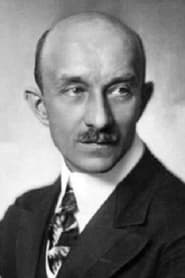
Hans Junkermann
Actor
Born: February 24, 1872 in Stuttgart, Germany Died: June 12, 1943 Active: 1911-1943 Birth Name: Johann August Junkermann
Films
2 films
About Hans Junkermann
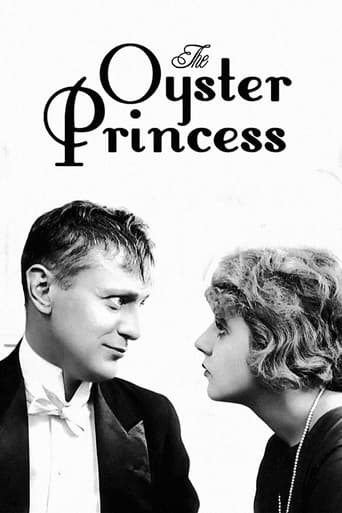
German actor of the silent era: several decades, though he is best remembered for his work during the 1910s and 1920s. Born into a theatrical family, he began his stage career before transitioning to the burgeoning film industry, quickly establishing himself as a versatile character actor. His performances in Ernst Lubitsch's films, particularly 'The Oyster Princess' (1919), showcased his ability to blend comedy with dramatic elements, making him a favorite among directors of the German Expressionist period. Junkermann's portrayal of Polonius in the ambitious 1921 adaptation of 'Hamlet' demonstrated his classical training and dramatic range. Throughout his career, he appeared in over 100 films, working with many of the era's most prominent directors including F.W. Murnau and Fritz Lang. His career continued successfully through the transition to sound films, though he remained primarily associated with his silent era achievements. Junkermann's final years saw him continuing to work in character roles until his death in 1943, leaving behind a legacy as one of German cinema's most reliable supporting actors.
The Craft
On Screen
Junkermann was known for his expressive yet controlled acting style typical of the German theatrical tradition. His performances combined broad physical comedy with subtle emotional nuance, making him particularly effective in character roles. He had a remarkable ability to convey complex emotions through facial expressions and body language, essential for silent film acting. His classical training gave him a dignified presence that worked well in both comedic and dramatic roles.
Milestones
- Breakthrough role in Ernst Lubitsch's 'The Oyster Princess' (1919)
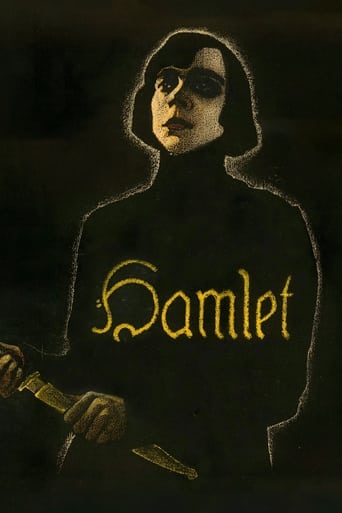
- Portrayal of Polonius in 'Hamlet' (1921) starring Asta Nielsen
- Prolific career with over 100 film appearances
- Successful transition from silent films to talkies
- Collaboration with major German Expressionist directors
Best Known For
Iconic Roles
Must-See Films
Accolades
Special Recognition
- Recognized as one of Germany's most prolific character actors of the silent era
Working Relationships
Worked Often With
Studios
Why They Matter
Impact on Culture
Hans Junkermann contributed significantly to the golden age of German cinema, particularly during the Expressionist period. His work in films like 'The Oyster Princess' helped establish the sophisticated comedy style that would influence filmmakers internationally. As a character actor, he provided essential support to leading actors while creating memorable performances that enhanced the overall quality of German productions. His ability to adapt to both comedic and dramatic roles made him a valuable asset to the German film industry during its most creative period.
Lasting Legacy
Junkermann's legacy lies in his extensive body of work that documents the evolution of German cinema from its early days through the sound era. His performances in classic silent films continue to be studied by film scholars and enthusiasts interested in German Expressionism and early 20th-century European cinema. As part of the ensemble that helped establish German cinema's international reputation, he represents the skilled character actors who were essential to the industry's success.
Who They Inspired
Junkermann's naturalistic yet expressive acting style influenced subsequent generations of German character actors. His work with directors like Ernst Lubitsch contributed to the development of sophisticated film comedy techniques that would be adopted internationally. His successful transition from stage to film and from silent to sound films served as a model for other actors facing similar challenges in the rapidly evolving film industry.
Off Screen
Hans Junkermann came from a family with strong theatrical traditions; his father was also an actor. He married actress Rosa Walser, and their daughter Marianne Junkermann also became an actress, continuing the family's artistic legacy. Throughout his life, Junkermann maintained a reputation as a dedicated professional who approached both stage and screen work with equal seriousness. Despite the political turmoil in Germany during his later years, he continued working in the film industry until his death in Berlin in 1943.
Education
Classical theatrical training in Germany, following family tradition in performing arts
Family
- Rosa Walser (married date unknown-1943)
Did You Know?
- Appeared in over 100 films throughout his 32-year career
- His daughter Marianne Junkermann also became a successful actress
- Worked with both Ernst Lubitsch and F.W. Murnau, two of Germany's most important early directors
- Successfully transitioned from silent films to talkies in the late 1920s
- His real name was Johann August Junkermann
- Came from a theatrical family with his father also being an actor
- Continued acting well into his 60s during the Nazi era
- Was particularly known for his ability to play both comedic and dramatic roles effectively
- His performance in 'The Oyster Princess' is considered one of the highlights of early German comedy
- Worked with UFA, Germany's most prestigious film studio of the era
In Their Own Words
The stage is our first love, but the camera has become our faithful companion in this new age of art.
In silence, the actor must speak louder than with words - this is the challenge and beauty of our craft.
Frequently Asked Questions
Who was Hans Junkermann?
Prolific German with credits in this catalog. He appeared in over 100 movies between 1911 and 1943, working with renowned directors like Ernst Lubitsch and F.W. Murnau.
What films is Hans Junkermann best known for?
Titles linked here include The Oyster Princess (1919), Hamlet (1921).
When was Hans Junkermann born and when did he die?
Born February 24, 1872; died June 12, 1943.
What was Hans Junkermann's acting style?
Junkermann was known for his expressive yet controlled acting style that combined theatrical tradition with film technique. He excelled at conveying complex emotions through facial expressions and body language, making him particularly effective in silent films where visual performance was crucial.
Did Hans Junkermann work with any famous directors?
Yes, Junkermann collaborated with many of Germany's most important early film directors, including Ernst Lubitsch, F.W. Murnau, and Fritz Lang. His work with Lubitsch in comedies like 'The Oyster Princess' was particularly influential.
Did Hans Junkermann have any family in the film industry?
Yes, Junkermann came from a theatrical family - his father was also an actor. He married actress Rosa Walser, and their daughter Marianne Junkermann also became an actress, continuing the family's artistic legacy.
How did Hans Junkermann transition from silent to sound films?
Junkermann successfully made the transition from silent to sound films in the late 1920s, continuing his career as a character actor. His classical theatrical training and strong voice helped him adapt to the new medium, and he remained active in films throughout the 1930s and early 1940s.