

Vladimir Gajdarov
Actor
Born: July 25, 1893 in Rostov-on-Don, Russian Empire Died: December 17, 1976 Active: 1915-1960 Birth Name: Vladimir Ivanovich Gajdarov
Films
4 films
About Vladimir Gajdarov
Russian-born actor who achieved prominence in European cinema during the silent era. Born in Russia in the late 19th century, he began his acting career on the Russian stage before transitioning to film. Following the Russian Revolution, he emigrated to Germany where he found success in the burgeoning German film industry. Gajdarov became known for his commanding presence and ability to portray complex characters, often playing aristocratic or intellectual roles. His most notable period was between 1918 and 1924, during which he worked with prominent directors and appeared in several significant European productions. After his German film career, he eventually moved to the United States where he continued acting in smaller roles, though his prominence in European cinema remained his most significant contribution. His performances exemplified the dramatic intensity characteristic of silent era acting, while also bringing a distinctly Russian theatrical tradition to his screen work.
The Craft
On Screen
Gajdarov's acting style was characterized by the dramatic intensity typical of the silent era, drawing heavily from his classical Russian theatrical training. He employed exaggerated gestures and facial expressions essential for conveying emotion without dialogue, yet maintained a certain aristocratic restraint in his performances. His screen presence was commanding, often portraying characters of authority, nobility, or intellectual depth with a distinctive Eastern European gravitas that set him apart from his Western counterparts.
Milestones
- Breakthrough role in Russian silent cinema before emigration
- Leading roles in German Expressionist films
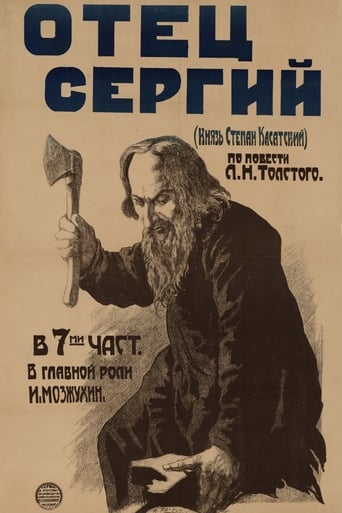
- Performance in 'Father Sergius' (1918)
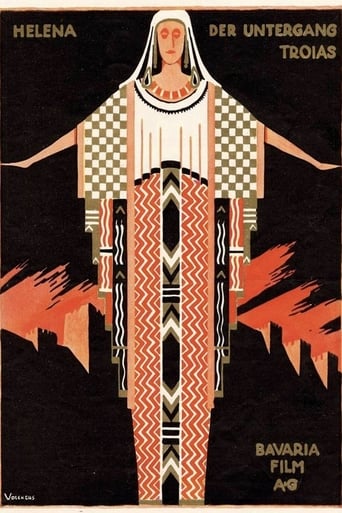
- Role in 'Helen of Troy' (1924)
- Transition to Hollywood character roles in the 1930s-1940s
Best Known For
Iconic Roles
Must-See Films
Accolades
Special Recognition
- Recognized as a significant figure in Russian emigré cinema
- Noted contributor to German silent film era
Working Relationships
Worked Often With
Studios
Why They Matter
Impact on Culture
Vladimir Gajdarov represents an important bridge between Russian and European cinema during a transformative period in film history. As part of the Russian emigré community, he helped transplant Russian theatrical traditions into German cinema, contributing to the rich cultural exchange that characterized the Weimar period. His performances in German silent films demonstrated how Russian dramatic sensibilities could enhance European cinema, particularly in the Expressionist movement. His career trajectory—from Russian stage and film to German cinema and eventually Hollywood—exemplifies the international nature of early film art and the mobility of artists during the interwar period.
Lasting Legacy
Gajdarov's legacy lies primarily in his contribution to the golden age of German silent cinema and his role as a cultural ambassador between Russian and European theatrical traditions. Though not as widely remembered as some of his contemporaries, his work in films like 'Father Sergius' and 'Helen of Troy' represents important examples of cross-cultural cinematic collaboration. His career shows the international character of early cinema and the significant role played by Russian emigré artists in shaping European film culture during the 1920s.
Who They Inspired
Gajdarov influenced subsequent generations of character actors, particularly those bringing Eastern European sensibilities to Western cinema. His ability to adapt his classical Russian training to the demands of silent film demonstrated how traditional theatrical techniques could be successfully translated to the new medium of cinema. His work helped pave the way for other Russian actors who would find success in European and American film industries, establishing a precedent for cultural and artistic exchange in international cinema.
Off Screen
Vladimir Gajdarov's personal life was marked by the dramatic upheavals of early 20th century European history. He fled Russia following the Bolshevik Revolution, joining the wave of Russian emigrés who found refuge in Germany. His later years were spent in the United States where he continued his acting career in smaller character roles. He maintained connections with the Russian emigré community throughout his life and was known for his dedication to preserving Russian theatrical traditions in his adopted countries.
Education
Classical theatrical training in Russia before the Revolution, likely at one of the imperial theatrical schools
Family
- Information not widely documented in available sources
Did You Know?
- Born in Rostov-on-Don, a major port city in southern Russia
- Fled Russia following the 1917 Revolution as part of the White Russian emigration
- Worked extensively with UFA, Germany's premier film studio of the 1920s
- Appeared in one of the earliest film adaptations of Tolstoy's work
- His active years covered three different countries and film industries
- Transitioned successfully from leading man to character actor as he aged
- Was part of the vibrant Russian emigré artistic community in Berlin
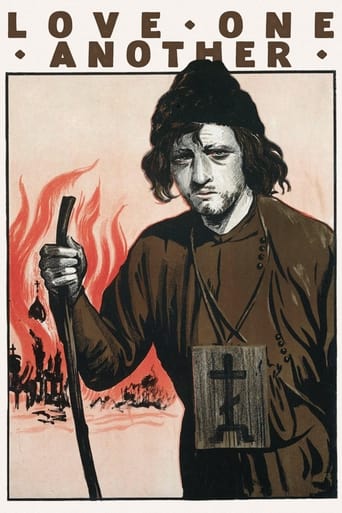
- His film 'Love One Another' (1922) was an early example of anti-Semitic cinema addressing persecution
- Worked during the peak of German Expressionist cinema
- Continued acting well into the sound era, adapting his style for talkies
In Their Own Words
No widely documented quotes are available from Vladimir Gajdarov in English-language sources
Frequently Asked Questions
Who was Vladimir Gajdarov?
Russian-born with credits in this catalog. After fleeing the Russian Revolution, he became a notable figure in German film before eventually moving to Hollywood, where he continued his career as a character actor.
What films is Vladimir Gajdarov best known for?
Titles linked here include Father Sergius (1918), The Burning Soil (1922).
When was Vladimir Gajdarov born and when did he die?
Born July 25, 1893; died December 17, 1976.
What awards did Vladimir Gajdarov win?
While Vladimir Gajdarov did not receive major formal awards that are documented in available sources, he was recognized as a significant figure in Russian emigré cinema and contributed importantly to German silent film culture during its golden age.
What was Vladimir Gajdarov's acting style?
Gajdarov's acting style combined the dramatic intensity of the silent era with classical Russian theatrical training. He was known for his commanding screen presence, often portraying aristocratic or intellectual characters with a distinctive Eastern European gravitas and emotional depth.
How did the Russian Revolution affect Vladimir Gajdarov's career?
The Russian Revolution forced Gajdarov to flee his homeland as part of the White Russian emigration. This displacement ultimately led him to Germany, where he found new opportunities in the flourishing German film industry and established himself as a notable actor in European cinema.