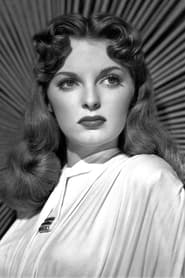
Julie London
Actor
Born: September 26, 1926 in Santa Rosa, California, USA Died: October 18, 2000 Active: 1944-1970 Birth Name: Gayle Peck
Films
1 film
About Julie London
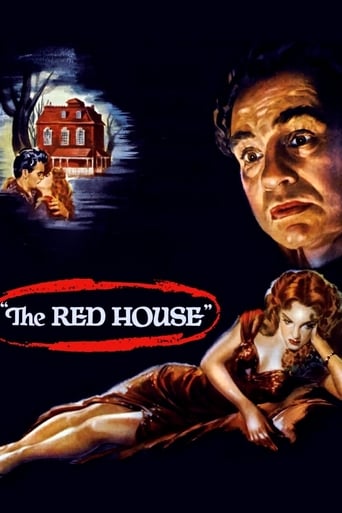
American singer and actress: brief but memorable film career began in the late 1940s and quickly moved into more prominent supporting and lead roles during the 1950s. Born Gayle Peck in Santa Rosa, California, she entered motion pictures as a teenager and made one of her earliest screen appearances in The Red House (1947), a moody thriller in which her striking presence already hinted at the sultry persona that would later define her public image. Although she appeared in a number of films, she became far more famous as a recording artist and nightclub performer, especially after the success of her signature song 'Cry Me a River.' In cinema, she was often cast as a glamorous, emotionally controlled, and alluring woman, fitting the noir and melodramatic sensibilities of postwar Hollywood. Her film work includes titles such as Task Force, The Fat Man, and The Great Man, and she remained a recognizable screen presence into the early 1960s. London also made a notable transition into television, most famously starring as Nurse Dixie McCall in the series Emergency!, which extended her popularity to a new generation. Though her motion-picture filmography was relatively limited compared with her recording career, she is remembered as one of Hollywood's quintessential smoky-voiced sirens and a distinctive figure bridging classic film and mid-century popular culture.
The Craft
On Screen
Julie London’s acting style relied less on overt dramatics than on controlled emotion, poise, and a naturally sensual screen presence. She was especially effective in noir-inflected and melodramatic material where restraint, glamour, and emotional ambiguity were assets. Her performances often emphasized stillness, expressive eyes, and a cool, self-possessed manner that suited both film and television. Rather than broad character transformation, she projected personality and atmosphere, which made her memorable in supporting roles and in parts built around charisma.
Milestones
- Made an early film appearance in The Red House (1947), one of her first screen roles and a key entry in her acting career
- Became widely famous for her recording of 'Cry Me a River,' which established her as a major pop and torch singer
- Built a film reputation through moody, glamorous roles in postwar pictures such as Task Force, The Fat Man, and The Great Man
- Transitioned successfully to television with a long-running role as Nurse Dixie McCall on Emergency!
- Became a defining mid-century style icon known for her smoky voice, cool screen persona, and sophisticated image
Best Known For
Iconic Roles
Must-See Films
Accolades
Won
- No major competitive film awards are widely documented for her acting career
Nominated
- No major Oscar, Golden Globe, or comparable competitive nominations are widely documented
Special Recognition
- Recognized as a major torch singer and mid-century pop culture icon
- Frequently cited in retrospectives of noir-era glamour and classic television
Working Relationships
Worked Often With
Studios
Why They Matter
Impact on Culture
Julie London had a significant cultural impact as one of the defining female voices and faces of the postwar entertainment era. In film, she represented a refined, smoky, adult style of glamour that fit the mood of late-1940s and 1950s Hollywood, especially in crime dramas and melodramas. Her image helped cement the archetype of the cool, sophisticated, slightly melancholic woman who could be both alluring and emotionally guarded. Outside of cinema, her recordings became standards of nightclub and easy-listening culture, giving her a rare cross-media identity as both screen star and musical icon. Her work on Emergency! later connected classic Hollywood style to contemporary television audiences, making her a familiar figure across multiple generations. She remains especially admired by fans of noir, torch singing, and mid-century style for her blend of visual elegance and vocal intimacy.
Lasting Legacy
Julie London’s lasting legacy rests on the unusual combination of a relatively small filmography and a very large cultural footprint. She is remembered less as a prolific movie star than as a highly recognizable performer whose persona was so distinctive that even a limited number of roles left a durable impression. Her film appearances, beginning with The Red House, are valued by classic-cinema audiences for capturing the transitional moment between wartime Hollywood and the cooler, more urbane style of the 1950s. In music history, she is one of the emblematic torch singers of the era, and in television history she became one of the best-known nurses on a landmark medical drama. Her legacy persists through revivals of standards, noir scholarship, and retrospectives on classic television, where her image continues to signify elegance, melancholy, and self-contained glamour.
Who They Inspired
Julie London influenced later performers by demonstrating how a subdued, intimate style could be more powerful than overt display. Singers have often admired her understated phrasing and late-night torch-song mood, while actresses have drawn inspiration from her cool, controlled screen presence. Her blend of vulnerability and reserve anticipated later feminine archetypes in film and television, especially women written with emotional complexity and minimal dialogue. She also helped reinforce the idea that a star could move fluidly between film, music, and television without losing a coherent public identity.
Off Screen
Julie London’s personal life was closely linked to the entertainment world. She was married first to actor Jack Webb, with whom she had one daughter, and later to songwriter and musician Bobby Troup, who became her longtime husband and creative partner. Her family life and professional life often overlapped, especially during her years on television and in music performance. London was known to have navigated fame with a relatively private demeanor compared with many Hollywood stars of her era. She spent much of her later life away from the public spotlight, and her career was shaped as much by her musical success as by her screen work.
Education
She attended school in California; detailed formal higher education is not prominently documented in standard classic-film references.
Family
- Jack Webb (1947-1954)
- Bobby Troup (1959-1999)
Did You Know?
- She was born Gayle Peck and adopted the stage name Julie London for her entertainment career.
- Her film debut era began while she was still a teenager, and The Red House is among her earliest credited screen appearances.
- She became far more famous as a singer than as a film actress, despite beginning in movies.
- Her signature recording 'Cry Me a River' became one of the best-known torch songs of the 1950s.
- She was married to actor and director Jack Webb before later marrying musician Bobby Troup.
- Her daughter Stacy Webb later became a public figure in her own right through family connections to Hollywood and music history.
- She had a famously smoky, intimate vocal style that matched the cool visual persona she projected on screen.
- She was a major television presence in the 1970s through Emergency!, which introduced her to audiences who knew little of her earlier film work.
In Their Own Words
No reliably sourced signature quotes are widely documented from Julie London in standard classic-cinema references.
Frequently Asked Questions
Who was Julie London?
American actress and singer best remembered for her smoky voice, glamorous screen presence, and later television fame. She began her screen career in the late 1940s, including an early appearance in The Red House, and later became much more famous as a recording artist.
What films is Julie London best known for?
Titles linked here include The Red House (1947), Task Force (1949).
When was Julie London born and when did she die?
Born September 26, 1926; died October 18, 2000.
What awards did Julie London win?
No major competitive acting awards are widely documented for Julie London in the standard classic-cinema record. Her recognition came primarily through popular success as a singer and enduring fame as a screen and television performer.
What was Julie London's acting style?
Julie London’s acting style was cool, restrained, and highly atmospheric, relying on presence rather than broad theatricality. She was especially effective in roles that emphasized glamour, emotional control, and a touch of melancholy.
Why is Julie London remembered in classic cinema history?
She is remembered as a distinctive postwar screen beauty whose limited film career still made a strong impression, beginning with The Red House. Her broader cultural fame as a singer and later television star helped make her.