
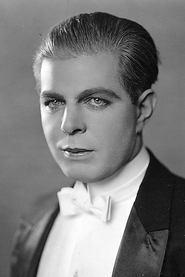
Hoot Gibson
Actor
Born: August 6, 1892 in Tekamah, Nebraska, USA Died: January 2, 1962 Active: 1910-1959 Birth Name: Edmund Richard Gibson
Films
2 films

About Hoot Gibson
Edmund Richard Gibson, known professionally as Hoot Gibson, began his career as a champion rodeo performer before transitioning to the film industry in the early 1910s. He first worked as a stuntman and extra for Universal Pictures, where his exceptional horsemanship and athletic abilities quickly caught the attention of directors. Gibson rose to prominence during the silent era, becoming popular and highest-paid Western stars of the 1920s, starring in numerous action-packed films that showcased his riding skills and natural screen charisma. He successfully made the transition to sound films, though his popularity waned slightly as new stars emerged. Throughout his career, Gibson appeared in over 200 films and also directed more than 50 pictures, demonstrating his versatility behind the camera. His four decades, from the early 1910s through the 1950s, making him enduring figures in Western cinema. Gibson's legacy as both a performer and filmmaker helped shape the cowboy genre and influenced countless Western actors who followed.
The Craft
On Screen
Known for his natural athleticism and authentic horsemanship, Gibson brought genuine rodeo experience to his cowboy roles. His acting style was characterized by a relaxed, affable demeanor that made him highly relatable to audiences. He performed most of his own stunts, which added realism and excitement to his action sequences. Gibson's screen presence combined rugged masculinity with a friendly, approachable charm that appealed to both male and female viewers.
Milestones
- Became Universal Pictures' biggest Western star in the 1920s
- One of the highest-paid actors of the silent era earning $7,500 per week
- Successfully transitioned from stuntman to leading man
- Directed over 50 films in addition to acting
- Received a star on the Hollywood Walk of Fame
- Won the World Championship Bronc Rider title in 1913
- Served in the Army Air Corps during World War I
Best Known For
Iconic Roles
Must-See Films
Accolades
Won
- Hollywood Walk of Fame Star (1960)
- World Championship Bronc Rider (1913)
Special Recognition
- Inducted into the Rodeo Hall of Fame
- Inducted into the Western Performers Hall of Fame
Working Relationships
Worked Often With
Studios
Why They Matter
Impact on Culture
Hoot Gibson was instrumental in establishing the cowboy hero archetype that would dominate American cinema for decades. His authentic rodeo background brought unprecedented realism to Western films, elevating the genre's credibility and popularity. During the 1920s, Gibson was among the top box office draws in Hollywood, helping Universal Pictures become a major studio through his consistent success. His films reflected and reinforced American ideals of independence, courage, and moral clarity during a period of significant social change. Gibson's transition from silent films to talkies demonstrated the adaptability required of early film stars and set an example for others in the industry.
Lasting Legacy
Gibson's legacy endures through his contributions to both the rodeo and film industries. He helped bridge the gap between authentic Western culture and Hollywood entertainment, creating a template for future Western stars. His extensive filmography, spanning nearly five decades, provides a valuable record of the evolution of American cinema from the silent era through the golden age of Hollywood. Gibson's influence can be seen in the careers of later Western stars like John Wayne, who adopted similar approaches to authenticity and physical performance. His induction into both the Rodeo Hall of Fame and Western Performers Hall of Fame recognizes his dual impact on American popular culture.
Who They Inspired
Gibson influenced generations of Western actors by demonstrating the importance of authentic horsemanship and stunt work in cowboy films. His success proved that audiences valued genuine skill over mere acting, leading studios to prioritize actors with real rodeo experience. His directing style, emphasizing action and clear storytelling, became a model for subsequent Western filmmakers. Gibson's ability to maintain stardom across multiple decades of technological change in cinema inspired other actors to adapt and evolve their careers. His business acumen in producing and directing his own films paved the way for later stars seeking creative control over their projects.
Off Screen
Gibson was married four times throughout his life and had three children. His first marriage to Helen Gibson in 1913 ended in divorce in 1922. He then married Sally Eilers in 1930, but they divorced in 1933. His third marriage to June Johnson lasted from 1935 to 1952, ending in divorce. His final marriage to Barbara Johnson in 1959 lasted until his death in 1962. Gibson was known for his love of horses and maintained a ranch where he raised and trained horses for his films.
Education
Limited formal education; primarily self-taught through practical experience in rodeo and film industry
Family
- Helen Gibson (1913-1922)
- Sally Eilers (1930-1933)
- June Johnson (1935-1952)
- Barbara Johnson (1959-1962)
Did You Know?
- His nickname 'Hoot' came from his habit of hooting like an owl during rodeo performances
- He was a champion bronc rider before entering films, winning the world title in 1913
- Gibson performed nearly all his own stunts throughout his career
- At his peak in the 1920s, he earned $7,500 per week, equivalent to over $100,000 today
- He served as a flying instructor in the Army Air Corps during World War I
- Gibson owned and operated a successful rodeo company in the 1930s
- He was one of the first Western stars to successfully transition to sound films
- Gibson's horse 'Sunshine' became almost as famous as he was
- He made over 200 films during his career, though many are now lost
- Gibson — close friend and mentor to a young John Wayne early in Wayne's career
In Their Own Words
I've been thrown from every horse that ever lived, and some that didn't
A good horse is like a good woman - treat her right and she'll never let you down
In pictures, you don't have to ride as far, but you have to fall off more often
The West isn't a place, it's a state of mind
I'd rather be riding a bronc than sitting in a movie palace any day
Frequently Asked Questions
Who was Hoot Gibson?
Legendary American actor, on YTB.my. Born Edmund Richard Gibson, he transitioned from a successful rodeo career to Hollywood, where he starred in over 200 films and directed more than 50 others, becoming Universal Pictures' biggest Western star during the 1920s.
What films is Hoot Gibson best known for?
Titles linked here include The Gunfighter (1923), The Man from Wyoming (1924).
When was Hoot Gibson born and when did he die?
Born August 6, 1892; died January 2, 1962.
What awards did Hoot Gibson win?
While Gibson didn't receive traditional film awards, he earned significant recognition including a star on the Hollywood Walk of Fame in 1960. His most prestigious achievement was winning the World Championship Bronc Rider title in 1913, and he was later inducted into both the Rodeo Hall of Fame and the Western Performers Hall of Fame for his contributions to Western culture and cinema.
What was Hoot Gibson's acting style?
Gibson's acting style was characterized by natural athleticism and authentic horsemanship, drawing from his extensive rodeo experience. He performed most of his own stunts, bringing unprecedented realism to Western action sequences. His screen presence combined rugged masculinity with an affable, approachable charm that made him highly relatable to audiences, while his relaxed demeanor set him apart from more dramatic actors of his era.