
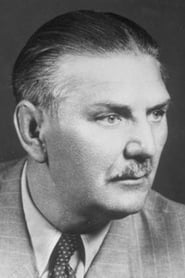
Jan Sviták
Actor
- Born
- December 27, 1895, Plzeň, Bohemia, Austria-Hungary (now Czech Republic)
- Died
- May 10, 1945
- Active
- 1928-1945
- Birth name
- Jan Evangelista Václav Sviták
Films 1
About Jan Sviták
Jan Sviták was a prominent Czech film director and actor who played a significant role in the development of Czechoslovak cinema during the interwar period and the early years of World War II. Born in Plzeň, he initially served in the Austro-Hungarian Navy during World War I, surviving the traumatic sinking of the battleship SMS Wien in 1917. Following the war, he transitioned into the arts, establishing himself as a versatile stage actor in Olomouc, Bratislava, and eventually at the National Theatre in Prague. His film career began in the late silent era with 'The Man from Podskalí' (1928), and he quickly became a staple of 1930s Czech cinema, known for both his suave screen presence and his growing expertise behind the camera. Sviták's career reached its zenith in the early 1940s when he directed several successful comedies, most notably 'The Station Master' (1941) starring Vlasta Burian. However, his life ended in tragedy during the liberation of Prague in May 1945, when he was lynched by a mob under unproven allegations of Nazi collaboration, a death that remains one of the most controversial episodes in Czech film history.
More about Jan Sviták
On screen
Sviták was known for his sophisticated and often authoritative screen presence. In his early roles, he frequently portrayed elegant men-about-town, dancers, or military officers, utilizing a refined physical grace developed during his years in professional theater. His acting was characterized by a naturalistic approach that transitioned well from the silent era to the early talkies, allowing him to play both dramatic leads and supporting character roles with equal conviction.
Impact on culture
Jan Sviták was a central figure in the 'Golden Age' of Czech cinema between the wars. His contribution as a director helped define the popular comedy genre that provided essential escapism for the Czech public during the dark years of the Protectorate. His involvement in 'Ecstasy' linked him to one of the most significant and controversial films in world cinema history. However, his most profound cultural impact is often tied to the tragic circumstances of his death, which serves as a grim reminder of the chaotic and often lawless atmosphere of post-war retribution in Europe.
Lasting legacy
Sviták's legacy is twofold: he is remembered as a talented filmmaker who directed some of the most enduring classics of Czech cinema, but he is also a symbol of the 'wild purges' of 1945. For decades, his name was tarnished by allegations of collaboration, but modern historians like Stanislav Motl have worked to provide a more nuanced view, suggesting Sviták may have actually used his position to help members of the Czech resistance and fellow actors. Today, he is recognized as a victim of a lawless lynching rather than a proven traitor.
Who they inspired
His influence is seen in the technical proficiency of early Czech sound films and the structured management of film studios during the 1940s. He influenced the career of Vlasta Burian by providing him with some of his best-directed material, and his tragic end influenced later Czech literature and film, which often used his life as a basis for exploring themes of justice and revenge.
Off screen
Sviták was married to Vilma Kocourková-Svitáková. His life was deeply impacted by his military service in the Navy, which left him with lasting psychological trauma. During the German occupation, he lived in a luxury apartment in the Bellevue Palace on the Smetana Embankment in Prague. At the time of his death, he was living with former actress Marie Paulová.
Education
Naval School in Pula (Austro-Hungarian Empire)
Career milestones
- Survived the sinking of the battleship SMS Wien in 1917 during WWI
- Established a successful theatrical career at the Slovak National Theatre and Prague National Theatre
- Appeared in the internationally controversial film 'Ecstasy' (1933) alongside Hedy Lamarr
- Directed 'The Station Master' (1941), one of the most beloved Czech comedies of the era
- Served as the director of the Foja film studios in Prague-Radlice during the early 1940s
- Became a leading figure in the Czech film industry's administrative structure during the Protectorate era
Iconic roles
- Tonda the lifeguard in 'The Man from Podskalí' (1928)
- The Dancer in 'Ecstasy' (1933)
- Officer roles in various military-themed comedies of the 1930s
Must-see films
- Ecstasy (1933)
- The Station Master (1941) - as Director
- Tonka of the Gallows (1930)
- The Affair of Colonel Redl (1931)
- The River (1933)
- U svatého Matěje (1939) - as Director
Awards
- Bravery Medal (Austro-Hungarian Navy, 1917)
Special recognition
- Posthumous rehabilitation efforts by film historians to clear his name of collaboration charges
Worked often with
- Vlasta Burian (Actor)
- Gustav Machatý (Director)
- Josef Rovenský (Director/Mentor)
- Jára Kohout (Actor)
Studios
- AB Film
- Elektafilm
- Foja Film Studios (Director/Manager)
- Lucernafilm
Family
- Vilma Kocourková-Svitáková
Did you know?
- He was a crew member on the battleship SMS Wien when it was sunk by an Italian torpedo in 1917.
- Sviták was lynched and shot in the street while wearing only his underwear after being released from a brief interrogation.
- Soviet Marshal Ivan Konev moved into Sviták's luxury apartment immediately after his death.
- His son, Milan, appears in 'The Station Master' as a boy on a bicycle.
- He was a close friend of the legendary Czech actor and songwriter Karel Hašler, though he was falsely accused of betraying him to the Gestapo.
- He was one of the few Czech film professionals with a background in naval engineering.
- The film 'Ecstasy', in which he appeared, was the first non-pornographic film to depict a female orgasm.
- His death was witnessed by a crowd that included former colleagues who reportedly encouraged the mob.
In their own words
It was a lynching. It was a time when people started to seek revenge... No justice. No trials. (Context: Quote by director Otakar Vávra regarding Sviták's death)
Questions and answers
Who was Jan Sviták?
Jan Sviták was a prominent Czech film director, actor, and studio executive active during the 1930s and 1940s. He is best known for directing popular comedies like 'The Station Master' and for his tragic death during the 1945 liberation of Prague.
What films is Jan Sviták best known for?
As an actor, he is known for the controversial 1933 film 'Ecstasy'. As a director, his most famous works include 'The Station Master' (1941), 'U svatého Matěje' (1939), and 'Poslední Podskalák' (1940).
When was Jan Sviták born and when did he die?
He was born on December 27, 1895, in Plzeň and died on May 10, 1945, in Prague. His death was the result of a public lynching during the chaotic final days of World War II.
Was Jan Sviták a Nazi collaborator?
While he was accused of collaboration at the end of the war, modern historical research suggests these claims were largely unfounded or exaggerated by rivals. Many believe he actually used his position to help Czech colleagues and may have had ties to British intelligence.
What was Jan Sviták's directing style?
Sviták was a master of the commercial 'audience film,' focusing on high production values, sharp comedic timing, and popular appeal. He was particularly adept at directing the great Czech comedian Vlasta Burian.