
Jean Angelo
Actor
Born: May 17, 1888 in Bordeaux, France Died: November 26, 1933 Active: 1908-1921 Birth Name: Jean-Baptiste Angeloy
Films
5 films
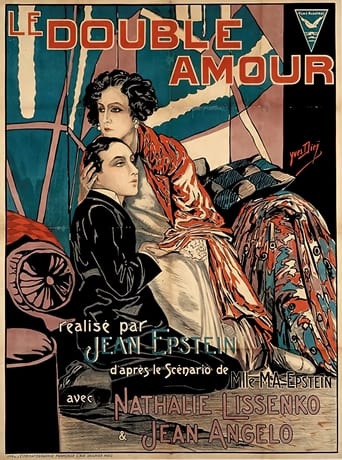
About Jean Angelo
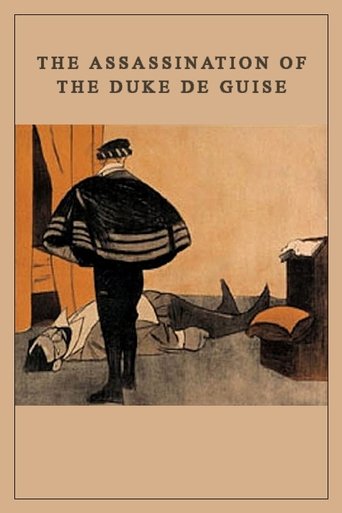
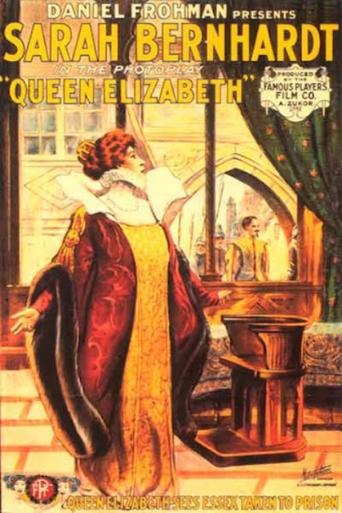
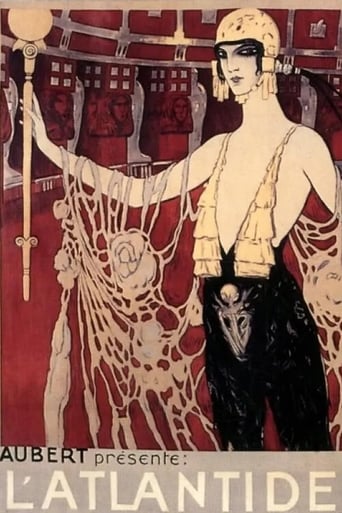
Jean Angelo, born Jean-Baptiste Angeloy, was a French silent film actor who rose to prominence during the era of cinema. He began his film career in 1908 with the historically significant 'The Assassination of the Duke de Guise,' which featured an original score by renowned composer Camille Saint-Saëns, marking an important milestone in film history. Angelo's commanding screen presence and theatrical background made him particularly suited for dramatic and historical roles, leading to his casting opposite the Sarah Bernhardt in 'Queen Elizabeth' (1912). His career reached another peak with his performance in the epic adventure 'L'Atlantide' (1921), ambitious French productions of the silent era. Throughout his career, Angelo worked with several French directors and helped establish the dramatic conventions of early cinema. His career appears to have waned after the early 1920s, coinciding with the transition from silent films to sound. Despite his relatively brief filmography, Angelo's contributions to early French cinema remain historically significant, particularly his role in bridging theatrical performance traditions with the emerging medium of film.
The Craft
On Screen
Jean Angelo's acting style was rooted in the theatrical traditions of the late 19th century, characterized by grand gestures, expressive facial movements, and dramatic intensity typical of the silent era. His performances emphasized emotional clarity through physical expression, essential for conveying narrative without dialogue. Angelo possessed a commanding presence that suited historical and dramatic roles, allowing him to portray nobility and authority convincingly on screen. His style evolved from purely theatrical mannerisms to incorporate more subtle film acting techniques as cinema matured, though he maintained the dramatic gravitas that made him effective in period pieces.
Milestones
- Starred in 'The Assassination of the Duke de Guise' (1908), one of the first films with an original musical score by a major composer
- Appeared opposite Sarah Bernhardt in 'Queen Elizabeth' (1912)
- Played a leading role in the epic French production 'L'Atlantide' (1921)
- Worked during the foundational period of French cinema
- Helped establish dramatic acting conventions in silent films
Best Known For
Iconic Roles
Must-See Films
Accolades
Special Recognition
- Recognized as a significant figure in early French cinema history
- Noted for contributions to the development of film acting techniques
Working Relationships
Worked Often With
Studios
Why They Matter
Impact on Culture
Jean Angelo's contributions to early cinema represent an important bridge between theatrical performance traditions and the emerging art form of film. His work in 'The Assassination of the Duke de Guise' was particularly significant as it demonstrated how classical music could enhance cinematic storytelling, with his performance synchronized to Camille Saint-Saëns' original score. Angelo's collaboration with Sarah Bernhardt in 'Queen Elizabeth' helped legitimize cinema as an art form worthy of serious theatrical talent. His performances in historical dramas helped establish period piece conventions that would influence French cinema for decades. Angelo's career trajectory also illustrates the challenges many silent film actors faced during the transition to sound, as his prominence faded during this technological shift.
Lasting Legacy
Jean Angelo's legacy endures primarily through his participation in several landmark films that represent important milestones in early cinema history. His performance in 'The Assassination of the Duke de Guise' remains historically significant as one of the earliest examples of a film featuring an original score by a major composer. Angelo's work opposite Sarah Bernhardt helped establish cinema as a respectable medium for serious dramatic actors. His role in 'L'Atlantide' contributed to early cinema. While not as widely remembered as some contemporaries, film historians recognize Angelo as an important figure who helped establish dramatic acting conventions in early cinema and contributed to the artistic legitimacy of film as a medium.
Who They Inspired
Jean Angelo influenced the development of screen acting techniques during the foundational period of cinema, particularly in how theatrical performance could be adapted for the camera. His work demonstrated how dramatic intensity could be conveyed through the visual medium without relying on dialogue, influencing subsequent generations of silent film actors. Angelo's performances in historical roles helped establish conventions for period piece acting that would influence French cinema for decades. His collaboration with renowned artists like Sarah Bernhardt and Camille Saint-Saëns helped elevate the artistic aspirations of early cinema, encouraging other serious actors to consider film work. Angelo's career also serves as a case study in the challenges faced by silent era actors during the transition to sound, highlighting the adaptability required for long-term success in the film industry.
Off Screen
Jean Angelo was born Jean-Baptiste Angeloy in Bordeaux, France, into a family that likely encouraged artistic pursuits. Details about his personal life remain scarce, which was common for many early film actors whose private lives were not extensively documented. He moved from Bordeaux to Paris to pursue his acting career, following the path of many aspiring performers of his era. Angelo died in Paris in 1933 at the age of 45, relatively young even for the time period. His death occurred just as the sound era was transforming cinema, meaning he did not participate in the transition to talkies that would have required different acting techniques.
Education
Likely received theatrical training in Bordeaux or Paris, though specific educational details are not documented in available historical records
Family
- Unknown - records not available
Did You Know?
- 'The Assassination of the Duke de Guise' (1908) featured music by renowned composer Camille Saint-Saëns, making it one of the first films with an original score by a major classical composer
- Jean Angelo worked opposite the legendary Sarah Bernhardt in 'Queen Elizabeth' (1912), when Bernhardt was already in her 60s and a major international star
- His real name was Jean-Baptiste Angeloy, which he shortened to the more marketable 'Jean Angelo' for his film career
- L'Atlantide (1921) was
- Angelo's active years covered only 13 years, from 1908 to 1921, coinciding with some of the most rapid developments in early cinema technology
- He was born in Bordeaux, a city with a rich theatrical tradition that likely influenced his artistic development
- Angelo died in 1933, just a few years after the transition to sound films began, suggesting he may not have successfully made the transition to talkies
- The films he appeared in were among the first to demonstrate that cinema could be a medium for serious historical drama, not just entertainment
- His acting style represented the transition from purely theatrical performance to more subtle film acting techniques
- Despite his prominence in early French cinema, relatively little personal information about Angelo survives in historical records
In Their Own Words
No documented quotes are available in historical records for Jean Angelo, which was common for early silent film actors whose words were rarely recorded or preserved
Frequently Asked Questions
Who was Jean Angelo?
French silent film He was among the actors who helped establish dramatic acting conventions in early cinema.
What films is Jean Angelo best known for?
Titles linked here include The Assassination of the Duke de Guise (1908), Queen Elizabeth (1912).
When was Jean Angelo born and when did he die?
Born May 17, 1888; died November 26, 1933.
What awards did Jean Angelo win?
No formal awards or nominations for Jean Angelo are documented in historical records, which was common for actors of the silent era when industry awards like the Academy Awards had not yet been established or were in their infancy.
What was Jean Angelo's acting style?
Jean Angelo's acting style was rooted in theatrical traditions, characterized by dramatic gestures and expressive movements typical of the silent era. He possessed a commanding presence that made him particularly effective in historical and dramatic roles, helping establish conventions for period piece acting in early cinema.