Films
2 films
About Gertrud Arnold
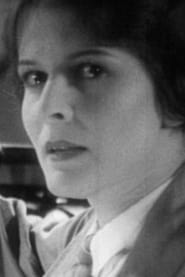
German actress who worked during the silent film era of the 1920s. Her career, though brief, included significant roles in some of Germany's most prestigious film productions of the period. She is best remembered for her appearance in Fritz Lang's monumental epic 'Die Nibelungen: Siegfried' (1924), where she played the role of Kriemhild's mother. Her performance in this landmark German expressionist film represents her most notable contribution to cinema. Arnold also appeared in 'The Chronicles of the Gray House' (1925), another significant German silent film. Like many supporting actors from the silent era, detailed records of her life and career are scarce, and her filmography appears to be limited to these few years of activity. Her work exemplifies the ensemble acting style that characterized German cinema of the 1920s, where character actors contributed to the films that would later be recognized as classics of world cinema.
The Craft
On Screen
As a silent film actress, Gertrud Arnold employed the dramatic and expressive acting style characteristic of German cinema in the 1920s. Her performances relied on exaggerated gestures, intense facial expressions, and body language to convey emotion and character depth without dialogue. This approach was typical of the German expressionist influence prevalent in films of that era, where actors used their physical presence to create psychological depth and dramatic impact.
Milestones
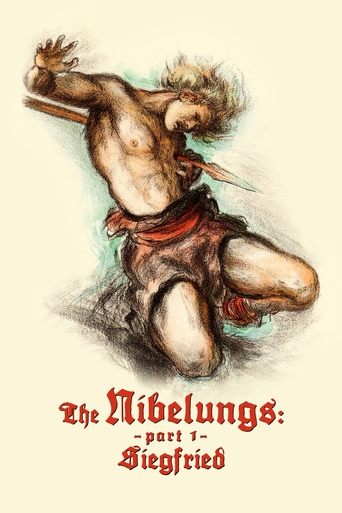
- Appeared in Fritz Lang's epic 'Die Nibelungen: Siegfried' (1924)
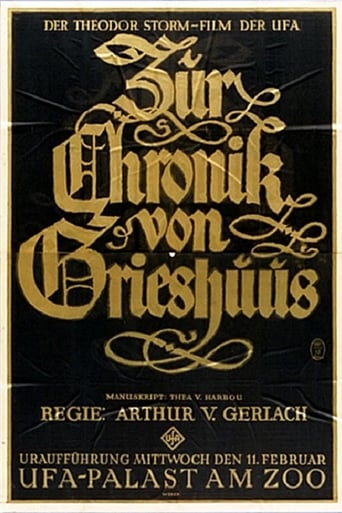
- Acted in 'The Chronicles of the Gray House' (1925)
- Participated in Germany's golden age of silent cinema
Best Known For
Iconic Roles
Must-See Films
Working Relationships
Worked Often With
Studios
Why They Matter
Impact on Culture
Gertrud Arnold's contribution to cinema, while not widely documented, represents the essential role of character actors in the golden age of German silent film. Her participation in 'Die Nibelungen' places her within the context of one of cinema's most ambitious and artistically significant productions. The film itself has had a lasting cultural impact, influencing generations of filmmakers and serving as a benchmark for epic storytelling. Arnold's work, like that of many supporting actors of her era, contributed to the rich ensemble that made these German films masterpieces of visual storytelling and dramatic expression.
Lasting Legacy
Gertrud Arnold's legacy is preserved through her appearance in 'Die Nibelungen,'. While her individual career was brief, her participation in this landmark production ensures her place in film history. The film continues to be studied and admired by film scholars, historians, and cinema enthusiasts, with Arnold's performance contributing to the overall artistic achievement of the work. Her story exemplifies how even minor roles in classic films become part of cinema's enduring cultural heritage.
Who They Inspired
As a supporting actress with a brief career, Gertrud Arnold's direct influence on other actors or filmmakers is not documented. However, her work in 'Die Nibelungen' contributes to the film's enduring influence on cinema, particularly in the epic and fantasy genres. The film's visual style and dramatic approach have influenced countless filmmakers, and Arnold's performance is part of this artistic legacy that continues to inspire new generations of cinema artists.
Off Screen
Very little information is available about Gertrud Arnold's personal life, which is not uncommon for supporting actors from the silent era whose careers were brief and whose contributions were not extensively documented in film history archives.
Did You Know?
- Appeared in Fritz Lang's ambitious two-part epic 'Die Nibelungen'
- Her active years covered only two years according to available film records
- Worked during the golden age of German silent cinema
- Participated in
- 'Die Nibelungen' was considered a masterpiece of German expressionist cinema
- The film was restored and preserved by the Friedrich Wilhelm Murnau Foundation
- Her role as Kriemhild's mother placed her in the royal court scenes of the epic saga
Frequently Asked Questions
Who was Gertrud Arnold?
German actress active during the silent film era of the 1920s, best known for her role as Kriemhild's mother in Fritz Lang's epic 'Die Nibelungen: Siegfried' (1924). Her career was brief, spanning only 1924-1925, but included appearances in significant German films of the period.
What films is Gertrud Arnold best known for?
Titles linked here include Die Nibelungen: Siegfried (1924), The Chronicles of the Gray House (1925).
When was Gertrud Arnold born and when did she die?
Specific birth and death dates for Gertrud Arnold are not available in historical records, which is not uncommon for supporting actors from the silent era. She was active in German cinema during 1924-1925.
What awards did Gertrud Arnold win?
There are no records of Gertrud Arnold receiving any major awards or nominations. During the 1920s, formal acting awards were less common than they are today, particularly for supporting roles in silent films.
What was Gertrud Arnold's acting style?
Gertrud Arnold employed the dramatic and expressive acting style typical of German silent cinema in the 1920s. Her performances relied on exaggerated gestures and facial expressions to convey emotion, characteristic of the German expressionist influence prevalent in films of that era.