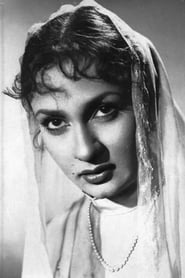
Nadira
Actor
Born: 1932 in Baghdad, Iraq Died: February 25, 2006 Active: 1952-2006 Birth Name: Florence Ezekiel Nadira
Films
3 films
About Nadira
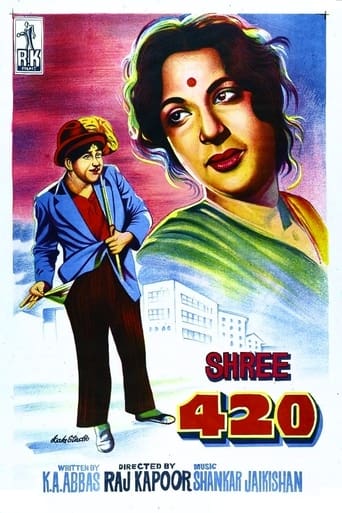
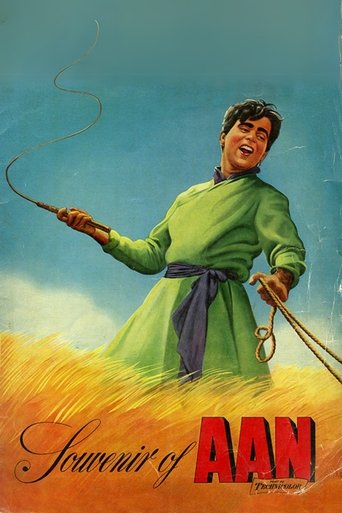
Actress in Indian cinema who revolutionized the portrayal of Westernized women on screen. Born Florence Ezekiel Nadira to a Baghdadi Jewish family in Baghdad, she moved to India with her family during her childhood. She made her film debut in 1952 with the blockbuster 'Aan', India's first technicolor film, which immediately established her as a formidable presence in Hindi cinema. Throughout the 1950s and 1960s, she became typecast as the 'vamp' or modern, Westernized woman who often competed with the traditional Indian heroine for the male lead's affection. Her most role came in Raj Kapoor's 'Shree 420' (1955) where she played the wealthy, sophisticated Maya opposite Kapoor's tramp-like character. Despite being typecast, Nadira brought depth and nuance to her characters, making them memorable beyond mere stereotypes. She continued acting well into the 2000s, appearing in over 200 films and transitioning from leading vamp roles to character parts as she aged. Her five decades, making her one of Indian cinema's most enduring and recognizable faces.
The Craft
On Screen
Nadira was known for her sophisticated, Westernized persona and confident screen presence. She brought a cosmopolitan flair to Indian cinema, often playing characters who smoked, drank, and wore Western clothing—revolutionary for conservative 1950s Indian society. Her acting style combined glamour with subtle menace, creating memorable antagonists who were both alluring and threatening. Unlike many actresses of her era, she spoke Hindi with a distinct accent, which actually enhanced her foreign, sophisticated characterizations. She had excellent comic timing and could switch between seductive and menacing expressions effortlessly.
Milestones
- Debut in India's first technicolor film 'Aan' (1952)
- Iconic role as Maya in 'Shree 420' (1955)
- Pioneered the 'vamp' archetype in Indian cinema
- Transitioned from vamp roles to character actress
- Appeared in over 200 films across five decades
- Worked with legendary directors like Raj Kapoor and Mehboob Khan
Best Known For
Iconic Roles
Must-See Films
Accolades
Won
- Filmfare Award for Best Supporting Actress for 'Julie' (1975)
Nominated
- Filmfare nominations for various supporting roles throughout her career
Special Recognition
- Recognized as one of Indian cinema's most iconic vamps
- Honored at various film festivals for her contributions to Indian cinema
Working Relationships
Worked Often With
Studios
Why They Matter
Impact on Culture
Nadira fundamentally changed the representation of women in Indian cinema by introducing the archetype of the modern, Westernized 'vamp'. At a time when Indian heroines were portrayed as traditional, virtuous women, Nadira's characters smoked, drank alcohol, wore Western clothes, and openly expressed their sexuality. This was revolutionary in 1950s India and challenged societal norms. Her success proved that audiences were ready for more complex female characters, even if they were antagonists. She became a cultural symbol of Westernization and modernity in post-independence India, representing both the allure and anxiety associated with rapid social change. Her distinctive look—pencil-thin eyebrows, red lipstick, and Western attire—became iconic and influenced fashion trends among urban Indian women.
Lasting Legacy
Nadira's legacy extends far beyond her filmography. She created a template for the 'modern woman' in Indian cinema that continues to evolve today. Her ability to make antagonistic characters charismatic and memorable set a new standard for supporting roles in Bollywood. Despite being typecast for much of her career, she brought dignity and complexity to roles that could have been one-dimensional. Later in life, she successfully transitioned to character roles, showing remarkable versatility. Her career longevity—from 1952 to 2006—demonstrates her adaptability and enduring appeal. She remains one of Indian cinema's most recognizable faces, and her iconic scenes, particularly from 'Shree 420', are still referenced and parodied in contemporary Indian media.
Who They Inspired
Nadira influenced generations of Indian actresses who followed her, particularly those playing glamorous, Westernized characters. Actresses like Helen, Bindu, and Aruna Irani built upon the 'vamp' archetype she helped establish. Her success paved the way for more diverse representations of women in Indian cinema, moving beyond the traditional heroine-villain binary. Contemporary actresses playing complex, morally ambiguous characters owe a debt to pioneers like Nadira who proved that audiences would embrace layered female characters. Her distinctive style and persona have been referenced in numerous modern films and fashion spreads, cementing her status as a cultural icon beyond just cinema.
Off Screen
Nadira never married and was known for her independent lifestyle, which was unusual for women of her generation in India. She maintained close friendships with several industry colleagues but kept her romantic life private. She lived alone in Mumbai for most of her life and was known for her elegant lifestyle and love for Western culture. In her later years, she faced financial difficulties and health issues, but continued working in films until her death. She was known for her wit and candid interviews where she often spoke about the typecasting she faced throughout her career.
Education
Educated in Bombay (now Mumbai) after moving from Iraq; specific educational institutions not documented
Did You Know?
- Was of Iraqi-Jewish descent and born in Baghdad
- Her real name was Florence Ezekiel Nadira
- Was one of the first actresses to play Westernized women in Indian cinema
- Never married and lived independently her entire life
- Smoked in real life, which was unusual for women of her generation in India
- Her role in 'Shree 420' was initially offered to another actress who declined
- Spoke Hindi with a distinct accent that actually enhanced her exotic persona
- Was paid more than many heroines of her time due to her unique appeal
- Made her debut in India's first technicolor film 'Aan'
- Continued acting until her death at age 74
- Her last film 'Love Story 2050' was released posthumously in 2008
- Was known for her collection of Western clothes and jewelry
- Lived in the same Mumbai apartment for over 50 years
In Their Own Words
I was never a vamp, I was just modern
In those days, if you wore a skirt, you were a vamp
I enjoyed playing those roles because they were different
Raj Kapoor made me a star, but he also typecast me
I never regretted any role I played, they were all learning experiences
Frequently Asked Questions
Who was Nadira?
Indian actress of Iraqi-Jewish descent who became famous for playing Westernized, modern women in Hindi cinema during the 1950s and beyond. She was particularly known for her role as Maya in Raj Kapoor's 'Shree 420' and for establishing the 'vamp' archetype in Bollywood films.
When was Nadira born and when did she die?
Born 1932; died February 25, 2006.
What awards did Nadira win?
Nadira won the Filmfare Award for Best Supporting Actress for her performance in 'Julie' (1975). While she received numerous nominations throughout her career, this was her most significant formal recognition, though she is remembered more for her cultural impact than awards.
What was Nadira's acting style?
Nadira was known for her sophisticated, confident portrayal of Westernized women who smoked, drank, and wore modern clothing—revolutionary for 1950s Indian cinema. She brought glamour, menace, and comic timing to her roles, creating memorable antagonists who were both alluring and threatening.