
Nikolai Bogolyubov
Actor
Born: October 22, 1899 in Ivanovo, Russian Empire Died: March 9, 1963 Active: 1927-1962 Birth Name: Nikolai Ivanovich Bogolyubov
Films
11 films
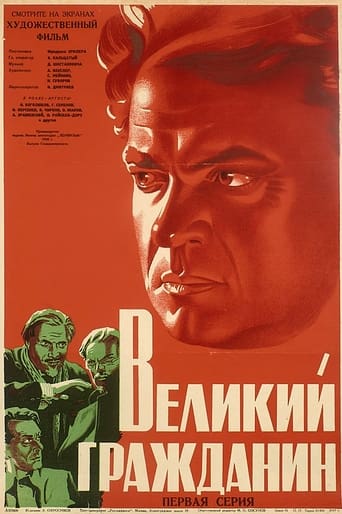
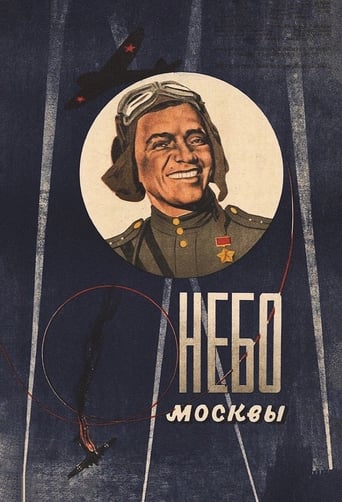
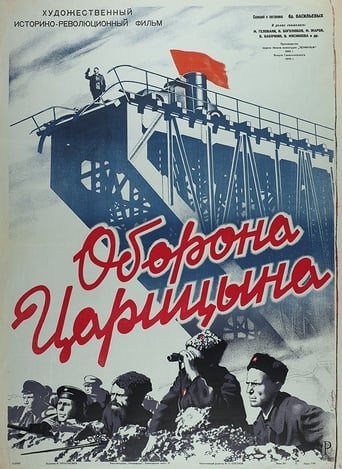

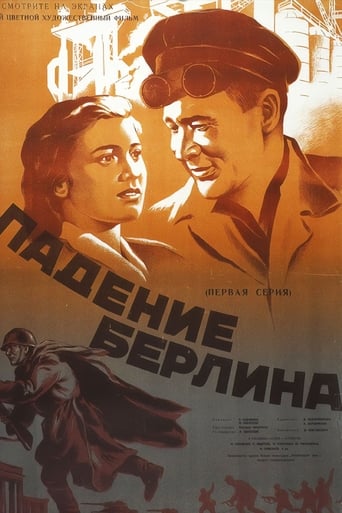
About Nikolai Bogolyubov
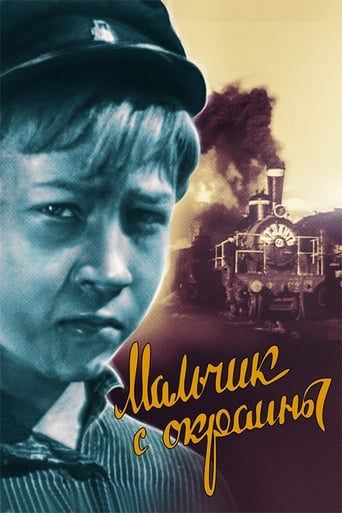
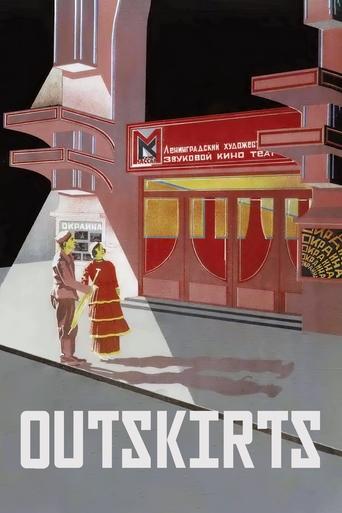
Nikolai Ivanovich Bogolyubov — prominent Soviet actor whose the crucial period of Soviet cinema from the early 1930s through the early 1950s. Born into a working-class family, he discovered his passion for acting during his youth and began his career on the provincial stage before transitioning to film. Bogolyubov's breakthrough came with his powerful performance in Boris Barnet's 'Outskirts' (1933), which established him as one of the Soviet Union's most reliable character actors. Throughout the 1930s and 1940s, he became particularly known for his portrayals of working-class heroes, soldiers, and ordinary Soviet citizens, embodying the ideals of socialist realism in his performances. His collaborations with prominent Soviet directors like Fridrikh Ermler and the Vasiliev brothers resulted in some of the most significant films of the Stalin era. Despite the political pressures of the time, Bogolyubov maintained a consistent presence in Soviet cinema, appearing in over 40 films during his career. His later years saw him transition to more supporting roles as a new generation of actors emerged, but his contributions to Soviet cinema remained influential and respected.
The Craft
On Screen
Bogolyubov was known for his naturalistic yet ideologically grounded acting style that perfectly embodied the principles of socialist realism. His performances were characterized by a strong physical presence, deep, resonant voice, and an ability to convey both the strength and vulnerability of ordinary Soviet people. He specialized in portraying authentic working-class characters with sincerity and emotional depth, avoiding the theatrical excesses common in earlier Soviet cinema. His approach was methodical and grounded in careful observation of real people, bringing documentary-like authenticity to his roles while still serving the ideological requirements of the state.
Milestones
- Breakthrough role in 'Outskirts' (1933) directed by Boris Barnet
- Starring role in 'The Great Citizen' (1938-1939) duology
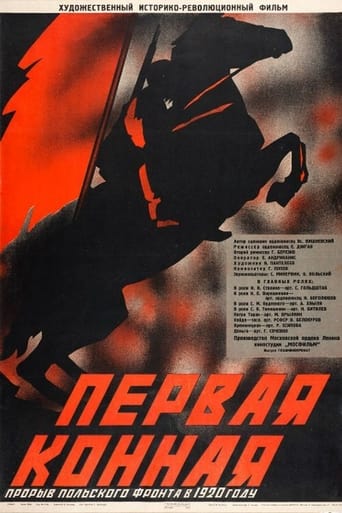
- Performance in 'The First Cavalry' (1941) during wartime
- Recognition as People's Artist of the RSFSR in 1945
- Extensive work in Soviet propaganda films during WWII
Best Known For
Iconic Roles
Must-See Films
Accolades
Won
- People's Artist of the RSFSR (1945)
- Order of the Red Banner of Labour (1948)
- Stalin Prize (1941)
- Order of the Badge of Honour (1938)
Nominated
- Stalin Prize nomination for 'The Great Citizen' (1939)
Special Recognition
- Honored Artist of the RSFSR (1935)
- People's Artist of the RSFSR (1945)
- Multiple state decorations for contributions to Soviet cinema
Working Relationships
Worked Often With
Studios
Why They Matter
Impact on Culture
Nikolai Bogolyubov played a significant role in shaping the archetype of the Soviet hero in cinema during the Stalin era. His performances helped establish the visual and behavioral template for the ideal Soviet citizen - strong, dedicated, and ideologically committed. Through his work in numerous propaganda films during World War II, he contributed to Soviet morale and the war effort, with his films being shown to both civilian audiences and troops at the front. His naturalistic acting style influenced a generation of Soviet actors, helping move Soviet cinema away from theatrical traditions toward more realistic performances. Bogolyubov's films were not only popular domestically but were also exported to other socialist countries, making him one of the recognizable faces of Soviet cinema internationally during the 1940s and 1950s.
Lasting Legacy
Nikolai Bogolyubov's legacy endures as. His body of work serves as a valuable historical document of Soviet life and ideology during the crucial period from industrialization through World War II. Film historians and scholars study his performances to understand the evolution of Soviet acting styles and the role of cinema in Soviet society. Many of his films, particularly 'Outskirts' and 'The Great Citizen', are considered classics of Soviet cinema and continue to be screened at film festivals and retrospectives worldwide. His approach to character acting influenced subsequent generations of Soviet and Russian actors, and his name remains synonymous with the authentic portrayal of working-class characters in Russian cinema.
Who They Inspired
Bogolyubov influenced Soviet cinema through his development of a distinctly Soviet approach to realistic acting that balanced authenticity with ideological requirements. His work demonstrated how actors could maintain artistic integrity while serving state cultural objectives. Younger actors studied his techniques for conveying complex emotions through subtle physical gestures and vocal modulation. His success proved that actors from working-class backgrounds could achieve prominence in Soviet cinema, encouraging greater social diversity in the acting profession. His collaborations with directors helped establish new standards for actor-director relationships in the Soviet film industry.
Off Screen
Nikolai Bogolyubov led a relatively private life away from the spotlight, focusing primarily on his craft. He married fellow actress Valentina Bogolyubova in the early 1930s, and their marriage lasted until his death. The couple had one son, Vladimir, who followed in his father's footsteps by pursuing a career in the arts, though not as an actor. Despite his fame, Bogolyubov maintained close ties to his working-class roots and was known for his modest lifestyle. He lived in Moscow for most of his career and was respected by colleagues for his professionalism and dedication to the craft of acting.
Education
Graduated from the Leningrad Institute of Performing Arts in 1926, studied under prominent Soviet acting teachers of the 1920s
Family
- Valentina Bogolyubova (1932-1963)
Did You Know?
- Began his career as a stage actor in provincial theaters before moving to Moscow
- His role in 'Outskirts' was considered revolutionary for its naturalistic portrayal of a soldier
- During WWII, he volunteered to perform for troops at the front lines
- Was one of the few actors allowed to work continuously throughout the Stalin era without political problems
- His deep voice made him a popular choice for narration in documentary films
- Maintained a friendship with director Sergei Eisenstein, though they never worked together
- Was known for his meticulous preparation for roles, often spending months studying real people similar to his characters
- Survived the political purges of the late 1930s that claimed many of his colleagues
- His final film appearance was in 1962, just a year before his death
- Was considered for the lead role in 'Chapaev' (1934) but lost it to Boris Babochkin
In Their Own Words
The actor must disappear into the character, but the character must serve the people - this is the Soviet way of art.
When I play a worker, I don't just act - I remember my own father and his hands, rough from honest labor.
Cinema is not entertainment in our country; it is education, it is inspiration, it is the soul of our nation.
To be a Soviet actor means to carry the responsibility of showing our people as they truly are - strong, honest, and devoted to our cause.
Frequently Asked Questions
Who was Nikolai Bogolyubov?
Prominent Soviet with credits in this catalog.
What films is Nikolai Bogolyubov best known for?
Titles linked here include Outskirts (1933), The Great Citizen (1938-1939).
When was Nikolai Bogolyubov born and when did he die?
Born October 22, 1899; died March 9, 1963.
What awards did Nikolai Bogolyubov win?
He received several prestigious awards including the title of People's Artist of the RSFSR (1945), the Stalin Prize (1941), the Order of the Red Banner of Labour (1948), and the Order of the Badge of Honour (1938).
What was Nikolai Bogolyubov's acting style?
Bogolyubov was known for his naturalistic, grounded acting style that embodied socialist realism principles. He specialized in authentic portrayals of working-class characters with emotional depth and physical presence, avoiding theatrical excesses while serving ideological requirements.
How did Nikolai Bogolyubov influence Soviet cinema?
He helped establish the archetype of the Soviet hero in cinema, influenced acting techniques toward greater realism, and demonstrated how actors could maintain artistic integrity while serving state cultural objectives during the Stalin era.
Did Nikolai Bogolyubov work during World War II?
Yes, he was very active during WWII, appearing in numerous propaganda films that boosted morale, and he also volunteered to perform for troops at the front lines, contributing significantly to the Soviet war effort through cinema.