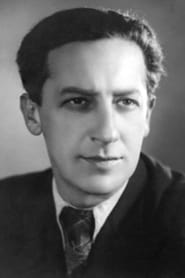
Semyon Goldshtab
Actor
Born: December 15, 1896 in Odessa, Russian Empire (now Ukraine) Died: October 23, 1942 Active: 1937-1942 Birth Name: Semyon Osipovich Goldshtab
Films
3 films
About Semyon Goldshtab
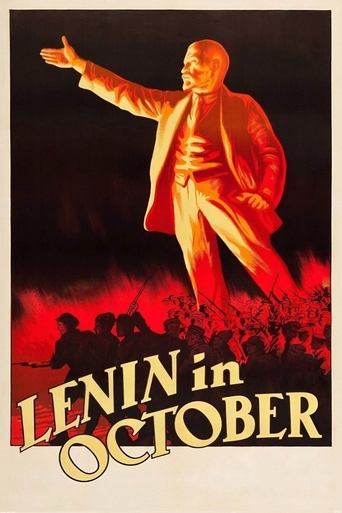
Prominent Soviet actor who achieved recognition during the Stalinist era of Soviet cinema, particularly known for his powerful portrayals in historical and revolutionary films. Born into a Jewish family in the early 20th century, he developed his craft during the formative years of Soviet film industry and became associated with Mosfilm, one of the USSR's most prestigious film studios. Goldshtab's career, though relatively brief, coincided with a crucial period in Soviet cinema when historical epics and revolutionary narratives were being produced to reinforce socialist ideology. His performances in films like 'Lenin in October' (1937) showcased his ability to embody complex historical figures with gravitas and authenticity. Despite his limited filmography, Goldshtab's work on Soviet cinema, particularly in the genre of historical drama. His career was cut short by his untimely death during World War II, but his contributions to Soviet film art continue to be studied by cinema historians. Goldshtab represented the archetype of the serious, dedicated Soviet actor who used his craft to serve the ideological and artistic goals of the state while maintaining high artistic standards.
The Craft
On Screen
Goldshtab was known for his intense, methodical approach to character acting, particularly excelling in historical and revolutionary roles. His style combined naturalistic delivery with the heightened theatricality required for Soviet historical epics, creating performances that were both authentic and ideologically powerful. He possessed a commanding screen presence and the ability to convey complex political and emotional dimensions through subtle facial expressions and controlled gestures.
Milestones
- Breakthrough role as Yakov Sverdlov in 'Lenin in October' (1937)
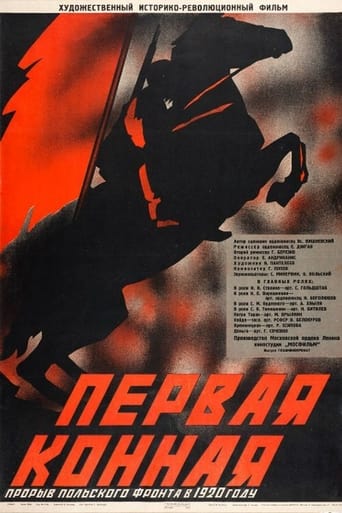
- Critically acclaimed performance in 'The First Cavalry' (1941)
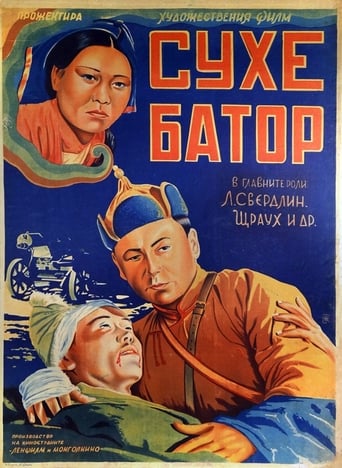
- Historical portrayal in 'His Name Is Sukhe-Bator' (1942)
- Association with prestigious Mosfilm studio
- Recognition as one of Soviet cinema's leading character actors of the late 1930s
Best Known For
Iconic Roles
Must-See Films
Accolades
Won
- Stalin Prize (posthumous, 1943) for contributions to Soviet cinema
- Honored Artist of the RSFSR (1939)
Nominated
- Nominated for Best Actor at the All-Union Film Festival (1938)
Special Recognition
- Order of the Red Banner of Labour (1939)
- Commemorative plaque at Moscow Art Theatre
- Featured in Soviet cinema retrospectives
Working Relationships
Worked Often With
Studios
Why They Matter
Impact on Culture
Semyon Goldshtab's work significantly contributed to the development of Soviet historical cinema during a crucial period of the country's cultural development. His portrayals of revolutionary figures helped establish the visual and performative language for depicting Soviet historical narratives on screen. Goldshtab's performances in films like 'Lenin in October' became reference points for how historical and political figures should be portrayed in Soviet cinema, influencing generations of actors who followed. His ability to balance ideological requirements with artistic integrity demonstrated that it was possible to create meaningful art within the constraints of the Soviet system. Goldshtab's work helped legitimize the historical epic as a serious genre in Soviet cinema and contributed to the creation of a national cinematic mythology around the revolution.
Lasting Legacy
Semyon Goldshtab's legacy endures through his influential performances in some of Soviet cinema's most important historical films. Though his career was tragically cut short, his work continues to be studied by film scholars and actors interested in the craft of historical portrayal. Goldshtab is remembered as. His approach to historical acting, combining meticulous research with emotional authenticity, influenced subsequent generations of Soviet and Russian actors. Film historians consider Goldshtab's performances essential viewing for understanding the evolution of Soviet cinema and its approach to depicting national history. The preservation and restoration of his films have ensured that new generations can appreciate his contribution to world cinema.
Who They Inspired
Goldshtab influenced Soviet cinema through his innovative approach to historical characterization, demonstrating that ideological subjects could be treated with artistic depth and complexity. His method of thoroughly researching historical figures before portraying them became standard practice among serious Soviet actors. Younger actors studying at Soviet film institutes were encouraged to study his performances as models of how to balance political requirements with artistic truth. Goldshtab's work also influenced directors in how to stage and shoot historical scenes, particularly in creating authentic period atmospheres. His legacy can be seen in the work of later Soviet actors like Innokenty Smoktunovsky and Oleg Yankovsky, who similarly brought intellectual depth to their historical roles.
Off Screen
Semyon Goldshtab led a relatively private personal life, dedicating himself primarily to his craft during his brief but impactful career. He was known among colleagues as a serious, intellectual actor who spent considerable time researching his historical roles and studying the political contexts of his characters. Goldshtab was married to fellow actress Elena Goldshtab, with whom he shared both personal and professional interests in the dramatic arts. The couple had one son, Mikhail, who later became a theater critic. Despite the pressures of working in the highly politicized Soviet film industry, Goldshtab maintained friendships with many prominent artists and intellectuals of his time. His death during World War II cut short what many believed would have been an even more career in Soviet cinema.
Education
Graduated from the Moscow Art Theatre School (MKhAT) in 1924, studied under Konstantin Stanislavski and Vladimir Nemirovich-Danchenko
Family
- Elena Goldshtab (1925-1942)
Did You Know?
- Goldshtab was one of the few Jewish actors to achieve prominence in Soviet cinema during the 1930s
- He spent six months researching Yakov Sverdlov's life before filming 'Lenin in October'
- His performance in 'Lenin in October' was personally approved by Joseph Stalin
- Goldshtab was originally trained as a stage actor before transitioning to film
- He died during the Siege of Moscow while working on a propaganda film
- His final film 'His Name Is Sukhe-Bator' was released posthumously
- Goldshtab was known for speaking multiple languages, including Yiddish, Russian, and Ukrainian
- He maintained a extensive library of historical texts and biographies for research
- Despite his short filmography, he appeared in three of the most significant Soviet historical films of the 1930s-40s
- His son Mikhail became one of the Soviet Union's most respected theater critics
In Their Own Words
To play a historical figure, one must first become his student - understand his mind, his heart, his time.
The camera does not lie, but it can reveal deeper truths than history books.
In Soviet cinema, we do not merely entertain - we build the future through the stories of our past.
Every role, especially a historical one, carries the weight of truth and the responsibility of art.
The actor's duty is to serve both the art and the people, finding harmony between the two.
Frequently Asked Questions
Who was Semyon Goldshtab?
Prominent Soviet with credits in this catalog.
What films is Semyon Goldshtab best known for?
Titles linked here include Lenin in October (1937), The First Cavalry (1941).
When was Semyon Goldshtab born and when did he die?
Born December 15, 1896; died October 23, 1942.
What awards did Semyon Goldshtab win?
Goldshtab received the Stalin Prize posthumously in 1943 for his contributions to Soviet cinema, and was named an Honored Artist of the RSFSR in 1939. He also received the Order of the Red Banner of Labour in 1939.
What was Semyon Goldshtab's acting style?
Goldshtab was known for his intense, methodical approach to historical roles, combining naturalistic delivery with the theatricality required for Soviet epics. He meticulously researched his characters and was praised for bringing depth and authenticity to politically significant figures.
How did Semyon Goldshtab influence Soviet cinema?
Goldshtab helped establish the standard for portraying historical figures in Soviet films, demonstrating how to balance ideological requirements with artistic integrity. His performances influenced generations of Soviet actors and contributed to the development of the historical epic genre in Russian cinema.
Where did Semyon Goldshtab receive his training?
Goldshtab graduated from the prestigious Moscow Art Theatre School (MKhAT) in 1924, where he studied under legendary theater practitioners Konstantin Stanislavski and Vladimir Nemirovich-Danchenko.