Boris Kokovkin
Actor
Born: June 9, 1910 in Saint Petersburg, Russian Empire Died: September 19, 1985 Active: 1930s-1985 Birth Name: Boris Alexandrovich Kokovkin
Films
2 films
About Boris Kokovkin
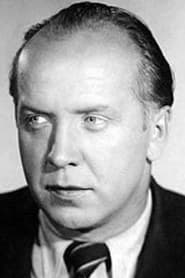
Boris Alexandrovich Kokovkin — Soviet Russian actor whose both theater and cinema during the mid-20th century. Born in Saint Petersburg in 1910, he developed his craft at the prestigious Leningrad Institute of Performing Arts, graduating in the early 1930s. Kokovkin primarily established himself as a stage actor, working with several prominent Leningrad theaters including the Leningrad Drama Theater named after Pushkin, where he honed his classical acting technique. His transition to cinema came relatively late in his career, with his most notable film appearances occurring in the early 1950s during the post-Stalin era of Soviet filmmaking. Despite his limited filmography, Kokovkin made significant impressions in his roles, particularly in biographical films that celebrated Russian cultural figures. His performances were characterized by a dignified, classical approach that reflected his extensive theatrical training. Kokovkin continued his theater work throughout his life, becoming a respected figure in the Soviet cultural landscape until his death in 1985.
The Craft
On Screen
Classical theatrical technique with emphasis on psychological depth and historical authenticity, particularly suited for biographical roles and period pieces
Milestones
- Graduated from Leningrad Institute of Performing Arts
- Leading actor at Leningrad Drama Theater
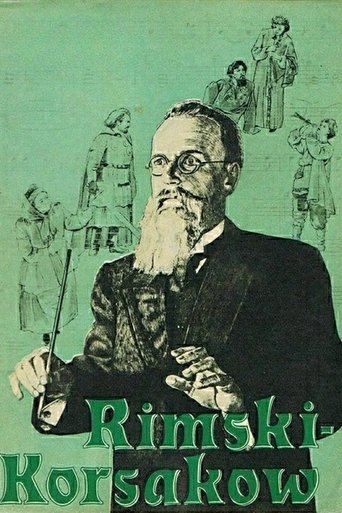
- Starred in 'Rimsky-Korsakov' (1952)
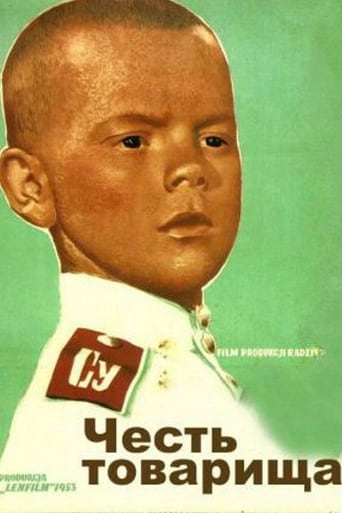
- Appeared in 'The Honor of Comrade' (1953)
- Established theater director and teacher
Best Known For
Iconic Roles
Must-See Films
Accolades
Won
- Honored Artist of the RSFSR
- People's Artist of the RSFSR
Special Recognition
- Order of the Badge of Honour
- Order of the Red Banner of Labour
Working Relationships
Worked Often With
Studios
Why They Matter
Impact on Culture
Boris Kokovkin contributed significantly to Soviet cultural life through his theatrical performances and film portrayals of important Russian historical figures. His role as composer Nikolai Rimsky-Korsakov helped preserve and promote Russian cultural heritage during the Soviet era, when celebrating pre-revolutionary cultural figures required careful political navigation. His work exemplified the Soviet approach to biographical films that served both artistic and educational purposes.
Lasting Legacy
Kokovkin's legacy lies primarily in his contributions to Soviet theater and his memorable portrayals of historical figures in cinema. He represents the generation of classically trained Soviet actors who bridged the gap between theatrical tradition and cinematic art. His performances continue to be studied as examples of Soviet acting technique from the mid-20th century.
Who They Inspired
Kokovkin influenced Soviet theater through his teaching and stage direction, helping to maintain classical acting traditions in Soviet theater. His approach to historical characterization in film influenced subsequent Soviet biographical productions, particularly those dealing with cultural figures.
Off Screen
Boris Kokovkin led a relatively private life focused on his artistic work and theater commitments. He was deeply embedded in the Leningrad cultural scene and was known for his dedication to the craft of acting. His personal life was largely overshadowed by his professional achievements and contributions to Soviet theater.
Education
Leningrad Institute of Performing Arts (graduated early 1930s)
Did You Know?
- His most famous role was portraying the composer Nikolai Rimsky-Korsakov, one of Russia's most celebrated classical composers
- He worked primarily in theater, with his film career being relatively brief but impactful
- His film appearances coincided with the post-Stalin cultural thaw in the Soviet Union
- He was part of the prestigious Leningrad theatrical tradition that emphasized classical training
- His portrayal of Rimsky-Korsakov was noted for its historical accuracy and musical sensitivity
- He continued acting on stage well into his 70s
- His active years covered from before World War II through the Brezhnev era
- He was recognized with the title 'People's Artist of the RSFSR,' one of the highest cultural honors in the Soviet Union
Frequently Asked Questions
Who was Boris Kokovkin?
Soviet Russian with credits in this catalog. He — classically trained actor who spent most of his career with Leningrad theaters and received prestigious cultural honors from the Soviet state.
What films is Boris Kokovkin best known for?
Titles linked here include Rimsky-Korsakov (1952), The Honor of Comrade (1953).
When was Boris Kokovkin born and when did he die?
Born June 9, 1910; died September 19, 1985.
What awards did Boris Kokovkin win?
Kokovkin was honored with the titles 'Honored Artist of the RSFSR' and 'People's Artist of the RSFSR,' and received state orders including the Order of the Badge of Honour and the Order of the Red Banner of Labour for his contributions to Soviet culture.
What was Boris Kokovkin's acting style?
Kokovkin employed a classical theatrical technique emphasizing psychological depth and historical authenticity. His style was rooted in his extensive stage experience and was particularly well-suited for biographical roles and period pieces requiring nuanced character development.