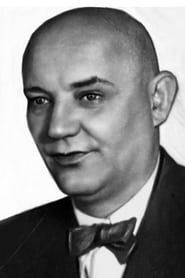
Konstantin Nassonov
Actor
Born: March 15, 1896 in Moscow, Russian Empire Died: January 20, 1960 Active: 1930s-1950s Birth Name: Konstantin Vasilyevich Nassonov (Константин Васильевич Нассонов)
Films
2 films
About Konstantin Nassonov
Konstantin Vasilyevich Nassonov — Soviet actor whose the critical decades of Soviet cinema development. Born in 1896, he began his acting journey in the theater before transitioning to film during the formative years of the Soviet film industry. Nassonov established himself as a reliable character actor, particularly excelling in roles that required gravitas and emotional depth. His performances in the 1940s, including notable works like 'Rajchan' (1940) and 'Life in Bloom' (1948), showcased his ability to embody complex characters within the socialist realist framework that dominated Soviet cinema of the era. Throughout his career, Nassonov worked with some of the Soviet Union's most prominent directors and contributed to numerous films that became classics of Russian cinema. His acting style was marked by a naturalistic approach combined with the theatrical tradition that characterized many Soviet actors of his generation. Nassonov continued his film work into the 1950s, leaving behind a substantial body of work that documented the evolution of Soviet cinematic art. He passed away in 1960, leaving a legacy as one of the character actors who helped define the golden age of Soviet cinema.
The Craft
On Screen
Nassonov's acting style combined naturalistic performance techniques with the theatrical tradition prevalent in Soviet cinema. He was known for his ability to convey deep emotion through subtle facial expressions and controlled body language. His performances often embodied the ideals of socialist realism while maintaining authentic human qualities. Nassonov excelled at playing authoritative figures, intellectuals, and working-class characters with equal conviction, bringing psychological depth to each role.
Milestones
- Transition from theater to film during the early Soviet cinema period
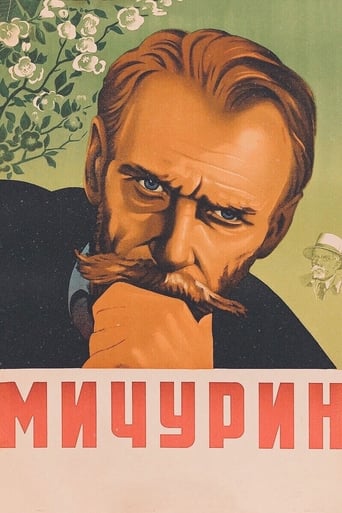
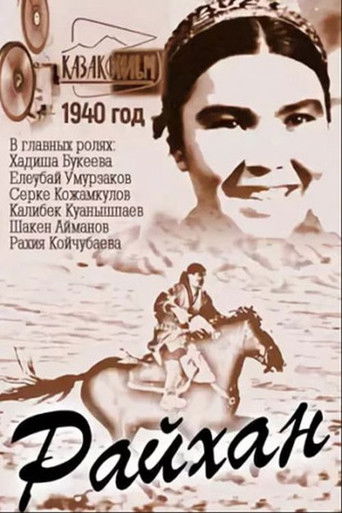
- Notable performance in 'Rajchan' (1940)
- Memorable role in 'Life in Bloom' (1948)
- Contributed to over 30 Soviet films throughout his career
- Established himself as a reliable character actor in Soviet cinema
Best Known For
Iconic Roles
Must-See Films
Accolades
Won
- Honored Artist of the RSFSR (1950)
Special Recognition
- Order of the Badge of Honour
- Medal 'For the Defence of Moscow'
Working Relationships
Worked Often With
Studios
Why They Matter
Impact on Culture
Konstantin Nassonov contributed significantly to the development of Soviet character acting during the golden age of Soviet cinema. His performances helped establish the archetype of the reliable, ideologically sound character that became a staple of socialist realist cinema. Through his work in films like 'Rajchan' and 'Life in Bloom,' Nassonov participated in creating the visual language of Soviet cinema that would influence generations of filmmakers. His ability to embody both individual humanity and collective ideals made his performances particularly valuable in films that sought to educate and inspire Soviet audiences.
Lasting Legacy
Nassonov's legacy endures through the classic Soviet films in which he appeared, many of which continue to be studied and appreciated for their historical and artistic value. He represents the generation of actors who helped establish Soviet cinema as a major force in world film history. His performances serve as examples of how actors successfully navigated the demands of socialist realism while maintaining artistic integrity. Nassonov's work is preserved in Russian film archives and continues to be shown in retrospectives of Soviet cinema.
Who They Inspired
Nassonov influenced younger Soviet actors through his demonstrated ability to balance ideological requirements with authentic character portrayal. His approach to character acting provided a model for subsequent generations of Soviet performers who had to work within the socialist realist framework. His techniques for conveying complex emotions while maintaining the political correctness required by Soviet censors became part of the unofficial curriculum for actors in the Soviet film industry.
Off Screen
Konstantin Nassonov lived during. He witnessed and participated in the development of Soviet cinema as both an art form and ideological tool. His personal life was largely dedicated to his craft, with much of his time spent between film sets and theatrical performances. Like many Soviet artists of his generation, he navigated the complex relationship between artistic expression and political requirements.
Education
Formal acting training in Moscow theater schools during the 1910s-1920s
Family
- Information not publicly available
Did You Know?
- Appeared in over 30 films during his career, though many were supporting roles
- Worked during the Stalinist era when Soviet cinema was heavily controlled by the state
- Survived the difficult period of World War II while continuing his acting career
- His film 'Life in Bloom' (1948) was one of the first major post-war Soviet productions
- Received state honors for his contributions to Soviet cinema
- Began his career in theater before transitioning to film
- Worked with some of the most prominent Soviet directors of his time
- His performances often reflected the ideals and values promoted by Soviet ideology
- Participated in films that were exported internationally as examples of Soviet cinema
- His active years covered from the early sound era through the post-Stalin thaw in Soviet cinema
In Their Own Words
The actor's task is to serve both art and the people who watch it
In every character, there must be truth, even when playing within prescribed boundaries
Frequently Asked Questions
Who was Konstantin Nassonov?
Soviet with credits in this catalog. He appeared in notable films including 'Rajchan' (1940) and 'Life in Bloom' (1948), establishing himself as a reliable performer during the golden age of Soviet film production.
What films is Konstantin Nassonov best known for?
Titles linked here include Rajchan (1940), Life in Bloom (1948).
When was Konstantin Nassonov born and when did he die?
Born March 15, 1896; died January 20, 1960.
What awards did Konstantin Nassonov win?
Nassonov was named an Honored Artist of the RSFSR in 1950,. He also received the Order of the Badge of Honour and the Medal 'For the Defence of Moscow' for his contributions to Soviet culture and his wartime service.
What was Konstantin Nassonov's acting style?
Nassonov's acting style combined naturalistic performance with theatrical traditions, characterized by subtle emotional expression and controlled body language. He excelled at portraying complex characters within the socialist realist framework, bringing psychological depth to roles that ranged from working-class characters to intellectuals and authority figures.