
Vladimir Shnejderov
Director
Born: January 15, 1908 in Moscow, Russian Empire Died: August 14, 1978 Active: 1935-1937 Birth Name: Vladimir Pavlovich Shnejderov
Films
2 films
About Vladimir Shnejderov
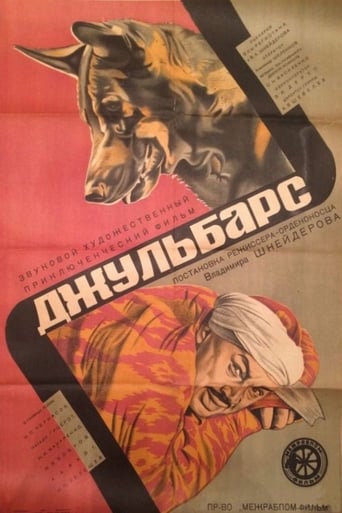
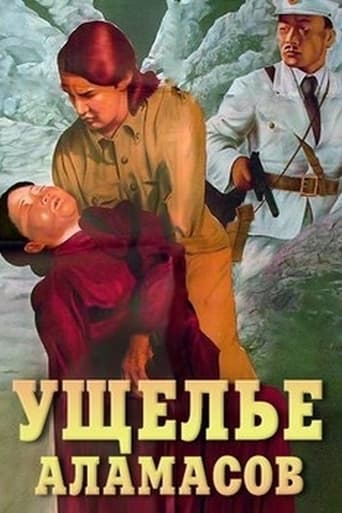
Soviet film director active during the 1930s, a period of significant transformation in Russian cinema under Stalin's regime. He emerged as a filmmaker during the early sound era in Soviet cinema, creating works that reflected both the artistic ambitions and ideological requirements of the time. His most notable works include 'Dzhulbars' (1935), an adventure film set in Central Asia, and 'The Alamasts Gorge' (1937), which continued his focus on exotic locations and adventure narratives. Shnejderov's films were characteristic of the Soviet adventure genre that flourished in the 1930s, often featuring heroic protagonists overcoming natural obstacles in remote regions of the Soviet Union. His career, though brief, coincided with the height of Socialist Realism in Soviet arts, which demanded that films serve both artistic and propagandistic purposes. Despite his limited filmography, Shnejderov contributed to the development of the Soviet adventure film tradition, which would influence later generations of filmmakers. His work represents an important but often overlooked chapter in the history of Soviet cinema during the interwar period.
The Craft
Behind the Camera
Shnejderov's directing style emphasized spectacular location photography, particularly in the exotic landscapes of Central Asia and the Caucasus. He employed a documentary-like realism combined with dramatic narrative elements, creating adventure films that showcased the vastness and diversity of Soviet territories. His approach blended entertainment value with subtle ideological messaging, presenting the Soviet frontier as both challenging and conquerable. Shnejderov utilized the new sound technology to enhance the atmospheric quality of his films, incorporating natural sounds and regional musical elements.
Milestones
- Directed 'Dzhulbars' (1935)
- Directed 'The Alamasts Gorge' (1937)
- Pioneered Soviet adventure cinema in the sound era
- Contributed to the development of location filming in Soviet cinema
Best Known For
Must-See Films
Accolades
Special Recognition
- Honored Artist of the RSFSR (1969)
Working Relationships
Worked Often With
Studios
Why They Matter
Impact on Culture
Vladimir Shnejderov contributed to the development of the Soviet adventure film genre during a critical period in Soviet cinema history. His films helped establish visual and narrative conventions for depicting the Soviet frontier and its diverse peoples, contributing to the cultural construction of Soviet identity. While not as internationally recognized as some of his contemporaries, Shnejderov's work represents an important aspect of 1930s Soviet cinema's efforts to create popular entertainment that also served ideological purposes. His focus on location filming in remote regions of the Soviet Union helped expand the geographical scope of Soviet cinema and inspired later generations of filmmakers to explore the visual potential of the country's diverse landscapes.
Lasting Legacy
Shnejderov's legacy lies primarily in his contribution to the Soviet adventure film tradition and his role in developing location filming techniques in Soviet cinema. Though his directorial career was brief, his films remain important examples of 1930s Soviet popular cinema and reflect the complex relationship between art and ideology during the Stalin era. His work is studied by film historians interested in the development of genre cinema in the Soviet Union and the ways in which adventure narratives were adapted to serve cultural and political goals. Shnejderov represents a generation of Soviet directors who worked within the constraints of the system while attempting to create compelling and entertaining films.
Who They Inspired
Shnejderov influenced subsequent Soviet adventure filmmakers through his innovative use of location photography and his ability to blend entertainment with subtle ideological messaging. His approach to depicting the Soviet frontier as both exotic and accessible helped establish visual conventions that would be adopted by later directors working in similar genres. While not widely known internationally, his work contributed to the internal development of Soviet cinema's approach to adventure and travel narratives, influencing how Soviet filmmakers would continue to represent the country's diverse geography and peoples in subsequent decades.
Off Screen
Vladimir Shnejderov lived through. Like many Soviet artists of his generation, his career was shaped by the political and cultural demands of the time. Details about his personal life remain relatively scarce in available sources, reflecting both the private nature of Soviet citizens and the limited documentation of figures who were not among the most prominent directors of their era.
Education
Graduated from the State Institute of Cinematography (VGIK) in the early 1930s
Family
- Unknown
Did You Know?
- His film 'Dzhulbars' was named after a famous Central Asian dog breed
- Both of his surviving films were set in remote regions of the Soviet Union
- His career coincided with the height of Socialist Realism in Soviet arts
- His films were among the early Soviet sound productions to utilize extensive location filming
- The Alamasts Gorge was filmed on location in the Caucasus mountains
- His work represents a rare example of Soviet adventure cinema from the mid-1930s
- Like many Soviet filmmakers of his era, his career was relatively brief and largely undocumented in Western sources
- His films were distributed primarily within the Soviet Union and Eastern Bloc countries
In Their Own Words
The camera must capture not just the landscape, but the spirit of the Soviet people who tame it
Adventure in our films is not just entertainment, but education in the greatness of our socialist homeland
Frequently Asked Questions
Who was Vladimir Shnejderov?
Soviet on YTB.my. He contributed to the development of Soviet adventure cinema during the early sound era, focusing on stories set in remote regions of the Soviet Union.
What films is Vladimir Shnejderov best known for?
Titles linked here include Dzhulbars (1935), The Alamasts Gorge (1937).
When was Vladimir Shnejderov born and when did he die?
Born January 15, 1908; died August 14, 1978.
What awards did Vladimir Shnejderov win?
Shnejderov was honored as an Honored Artist of the RSFSR in 1969, recognizing his contributions to Soviet cinema. However, detailed information about other awards or recognition during his active directing years remains limited in available sources.
What was Vladimir Shnejderov's directing style?
Shnejderov's directing style emphasized spectacular location photography in remote Soviet regions, combining documentary-like realism with dramatic adventure narratives. He utilized the new sound technology to enhance atmospheric quality while creating films that both entertained and subtly promoted Soviet ideological values.