
Films
3 films

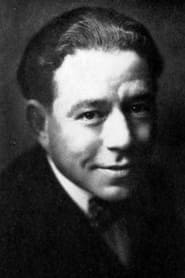
About Frank Moore
American actor who had a brief but notable career during the silent film era of 1914, primarily working with the Oz Film Manufacturing Company. His entire known film career consisted of three productions released in a single year, all based on L. Frank Baum's beloved Oz stories. Moore was likely recruited from the theater world, as was common practice during this period when filmmakers sought experienced stage performers for their productions. His work came during a pivotal moment in cinema history when feature films were becoming more established and studios were experimenting with fantasy and family-oriented content. The Oz Film Manufacturing Company, though short-lived, represented one of the earliest attempts to create a film franchise based on popular literary works. Moore's performances, while not extensively documented, contributed to these fantasy films that helped establish visual storytelling techniques for magical elements in cinema. After the company's financial failure in late 1914, Moore appears to have returned to other pursuits, as no further film credits have been attributed to him.
The Craft
On Screen
As a silent era actor, Frank Moore likely employed the exaggerated gestures and expressive facial techniques characteristic of the period, particularly suited for fantasy films requiring clear emotional communication without dialogue. His performances would have emphasized physical comedy and broad expressions to convey character emotions to audiences in the early cinema environment.
Milestones
- Appeared in three Oz films in 1914
- Worked with the Oz Film Manufacturing Company
- Participated in early fantasy film productions
- Contributed to film adaptations of L. Frank Baum's works
Best Known For
Iconic Roles
Must-See Films
Working Relationships
Worked Often With
Studios
Why They Matter
Impact on Culture
Frank Moore's contribution to cinema, though brief, is part of the important legacy of early fantasy filmmaking and the first attempts to bring L. Frank Baum's magical world to the screen. His work in the 1914 Oz films represents a effort in family entertainment and fantasy cinema, predating the more famous 1939 Technicolor adaptation. These early Oz films helped establish visual storytelling techniques for magical elements that would influence countless future fantasy productions.
Lasting Legacy
Frank Moore's legacy is preserved through his participation in the historically significant Oz films of 1914, which represent some of the earliest feature-length fantasy films produced in America. While his individual performances may not be widely remembered today, his work contributes to the broader history of Oz adaptations and the evolution of fantasy cinema. These films are studied by film historians as important examples of early special effects, costume design, and narrative structure in fantasy filmmaking.
Who They Inspired
As an actor from the very early days of feature filmmaking, Frank Moore's influence lies in his contribution to establishing the visual language of fantasy cinema. The Oz films he participated in helped demonstrate that magical stories could be successfully adapted to the screen, paving the way for future fantasy and family entertainment in cinema.
Off Screen
Very little is documented about Frank Moore's personal life, which was common for actors with brief film careers in the early silent era. His short filmography suggests he may have been primarily a stage actor or had other professional pursuits outside of cinema.
Did You Know?
- All of Frank Moore's known film work was released in a single year (1914)
- He worked for the Oz Film Manufacturing Company, founded by L. Frank Baum himself
- The company was one of the earliest attempts to create a film franchise based on popular books
- Despite featuring the creator of Oz, the films were not commercially successful
- The Oz Film Manufacturing Company went bankrupt after producing only five films
- Frank Moore's film career coincided with the early transition from short films to feature-length productions
- The 1914 Oz films were among the first to attempt large-scale fantasy production design
- These films were shot in and around Los Angeles, taking advantage of California's diverse landscapes
Frequently Asked Questions
Who was Frank Moore?
American with credits in this catalog. Frank Baum's Oz stories.
What films is Frank Moore best known for?
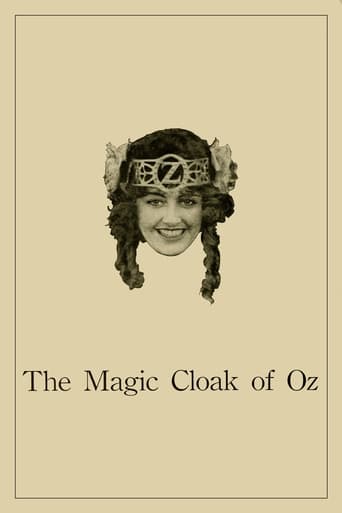
Titles linked here include His Majesty, the Scarecrow of Oz (1914), The Magic Cloak of Oz (1914).
When was Frank Moore active in films?
Frank Moore's entire known film active years covered only the year 1914, during which he appeared in three productions before the Oz Film Manufacturing Company went bankrupt.
What was the Oz Film Manufacturing Company?
The Oz Film Manufacturing Company was founded in 1914 by L. Frank Baum (author of the Oz books) and was one of the earliest studios dedicated to producing family-friendly fantasy films, though it was financially unsuccessful.
Why is Frank Moore's career so brief?
Frank Moore's brief career was likely due to the financial failure of the Oz Film Manufacturing Company, which went bankrupt after producing only five films in 1914, ending his opportunity for further film work.