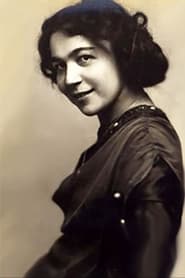
Olga Preobrazhenskaya
Director
Born: July 24, 1881 in Moscow, Russian Empire Died: October 30, 1971 Active: 1911-1971 Birth Name: Olga Ivanovna Preobrazhenskaya
Films
2 films
About Olga Preobrazhenskaya
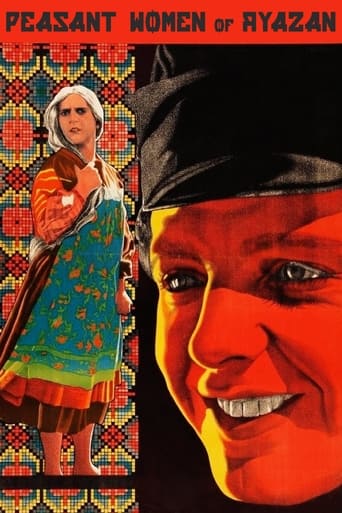
Olga Ivanovna Preobrazhenskaya — Soviet film director and actress who emerged as female directors in early Soviet cinema. She began her career as an actress at the Moscow Art Theatre under Konstantin Stanislavski before transitioning to filmmaking during the revolutionary period of the 1920s. Preobrazhenskaya co-founded the Proletkult film workshop and became one of the few women to direct feature films in the Soviet Union during the silent era. Her most celebrated work, 'The Peasant Women of Ryazan' (1927), is considered a masterpiece of Soviet silent cinema, praised for its authentic portrayal of rural life and feminist themes. Throughout the 1930s, she continued directing films that often focused on the lives of ordinary people, particularly women, during the transformative period of Soviet industrialization. Her career was significantly impacted by Stalinist cultural policies in the late 1930s, which limited her creative freedom. Despite these challenges, she continued working as a director until her death, leaving behind a legacy as one of cinema's early female auteurs who successfully navigated the complex political landscape of Soviet filmmaking.
The Craft
Behind the Camera
Preobrazhenskaya's directing style combined documentary realism with poetic lyricism, focusing on the lives of ordinary people, particularly women in rural and working-class settings. She employed innovative editing techniques and emphasized natural performances from non-professional actors. Her films often featured strong female protagonists and explored themes of social transformation, gender equality, and the clash between tradition and modernity in Soviet society.
Milestones
- Graduated from Moscow Art Theatre school (1905)
- Acted at Moscow Art Theatre (1905-1917)
- Co-founded Proletkult film workshop (1918)
- Directed debut film 'The Little Red Devil' (1918)
- Created masterpiece 'The Peasant Women of Ryazan' (1927)
- Directed 'Prairie Station' (1941)
- Became one of the first female film professors in USSR (1934)
- Received Order of the Red Banner of Labour (1944)
Best Known For
Iconic Roles
Must-See Films
Accolades
Won
- Order of the Red Banner of Labour (1944)
- Honored Artist of the RSFSR (1935)
- Order of the Badge of Honour (1951)
Nominated
- Stalin Prize nomination for 'The Peasant Women of Ryazan' (1928)
Special Recognition
- People's Artist of the RSFSR (1957)
- Professor at VGIK (State Institute of Cinematography)
- Pioneer of Soviet Cinema recognition
Working Relationships
Worked Often With
Studios
Why They Matter
Impact on Culture
Trailblazer for women in cinema, breaking barriers in a male-dominated industry during the formative years of Soviet filmmaking. Her films provided rare female perspectives on the social changes occurring in early Soviet society, particularly focusing on the emancipation of women and the transformation of traditional rural life. 'The Peasant Women of Ryazan' remains a landmark film for its feminist themes and authentic portrayal of women's experiences during the revolutionary period. Her work contributed significantly to the development of Soviet cinema's unique aesthetic and ideological concerns, while her teaching at VGIK helped shape generations of Soviet filmmakers.
Lasting Legacy
Preobrazhenskaya's legacy endures as one of cinema's female directors and a significant figure in early Soviet cinema. Her films are studied in film schools worldwide as examples of early feminist filmmaking and Soviet realist tradition. She paved the way for future generations of women directors in both Soviet and international cinema. Her most famous work, 'The Peasant Women of Ryazan', continues to be screened at film festivals and retrospectives, recognized for its artistic merit and historical significance. As an educator, she influenced countless students who would go on to shape Soviet cinema throughout the 20th century.
Who They Inspired
Preobrazhenskaya influenced Soviet cinema through her focus on social realism and female perspectives, prefiguring later feminist film movements. Her documentary-inspired approach to storytelling influenced subsequent generations of Soviet directors interested in depicting everyday life. Her success as a female director in the 1920s and 1930s provided a model for women filmmakers in the Soviet Union and internationally. Her emphasis on authentic performances and location shooting influenced the development of Soviet neorealism in the post-war period.
Off Screen
Preobrazhenskaya was married to fellow filmmaker Ivan Pravov, with whom she frequently collaborated on film projects. Their professional partnership was. She had no children and dedicated her life entirely to her artistic work and teaching. Despite facing political pressure during the Stalin era, she maintained her artistic integrity and continued to support young filmmakers throughout her career.
Education
Family
- Ivan Pravov (1918-1941)
Did You Know?
- Was one of only three women directing feature films in the Soviet Union during the 1920s
- Her film 'The Peasant Women of Ryazan' was one of the first Soviet films to focus exclusively on women's experiences
- She began her film career at age 37, making her a late bloomer in cinema
- Survived the Stalinist purges that claimed many of her colleagues in the film industry
- Her films were often censored or altered to fit changing Soviet ideological requirements
- She was among the first women to teach directing at the State Institute of Cinematography (VGIK)
- Her collaboration with husband Ivan Pravov was
- She continued making films well into her 60s, despite facing increasing political pressure
- Her work was largely unknown in the West until Soviet film retrospectives in the 1970s
- She was a member of the Communist Party, which helped protect her during the most repressive periods
In Their Own Words
Cinema must serve the people, but it must also speak the truth of their lives, especially the lives of women who are building our new society
To make a film about peasants, you must live among peasants, breathe their air, and understand their hearts
The camera is not just a tool, it's a witness to the great transformation of our people
Women's stories are not secondary to history; they are history itself
Art must have a social purpose, but it must never sacrifice truth for ideology
Frequently Asked Questions
Who was Olga Preobrazhenskaya?
Soviet on YTB.my. She is best known for her silent film masterpiece 'The Peasant Women of Ryazan' (1927) and for being a trailblazer for women in cinema during the early Soviet period.
What films is Olga Preobrazhenskaya best known for?
Titles linked here include The Peasant Women of Ryazan (1927), Prairie Station (1941).
When was Olga Preobrazhenskaya born and when did she die?
Born July 24, 1881; died October 30, 1971.
What awards did Olga Preobrazhenskaya win?
She received several significant honors including the Order of the Red Banner of Labour (1944), was named Honored Artist of the RSFSR (1935), and later received the title People's Artist of the RSFSR (1957). She also received the Order of the Badge of Honour in 1951 for her contributions to Soviet cinema.
What was Olga Preobrazhenskaya's directing style?
Her directing style combined documentary realism with poetic lyricism, focusing on authentic portrayals of ordinary people's lives, particularly women. She emphasized natural performances, often using non-professional actors, and explored themes of social transformation and gender equality in the context of Soviet society.
How did Olga Preobrazhenskaya influence Soviet cinema?
As one of the first female directors in Soviet cinema, she broke significant barriers and provided unique female perspectives on Soviet social changes. Her teaching at VGIK influenced generations of filmmakers, and her focus on realism and social themes contributed to the development of Soviet cinematic traditions. She paved the way for future women filmmakers in both Soviet and international cinema.
What challenges did Olga Preobrazhenskaya face in her career?
She faced significant challenges as a woman in a male-dominated industry, and later dealt with Stalinist cultural policies that limited her creative freedom. Some of her films were censored or banned, and she faced accusations of 'formalism' during the 1930s. Despite these obstacles, she maintained a long career spanning five decades.