Hari Shivdasani
Actor
Born: 1909 in Karachi, Sindh, British India (now Pakistan) Died: 1994 Active: 1942-1960
Films
3 films
About Hari Shivdasani
Prominent character actor in Indian cinema during the golden era of Bollywood, spanning from the 1940s through the 1960s. Born into a Sindhi family, he began his acting career in the early 1940s and quickly established himself as a reliable supporting actor known for his versatility. Shivdasani appeared in numerous Hindi films, often playing sophisticated gentlemen, businessmen, or antagonistic roles with equal finesse. His career peaked in the 1950s when he worked with some of the biggest stars and directors of Indian cinema, including Raj Kapoor in the film 'Shree 420'. He was particularly known for his polished demeanor and distinctive screen presence, which made him a familiar face in mainstream Hindi cinema. Despite never playing the lead, Shivdasani's contributions to Indian cinema were significant, as he brought depth and authenticity to every supporting role he portrayed. His nearly two decades, during which he appeared in over 100 films, leaving an indelible mark on the industry.
The Craft
On Screen
Hari Shivdasani was known for his naturalistic acting style and ability to portray sophisticated urban characters with authenticity. He had a distinctive screen presence characterized by his polished demeanor and refined dialogue delivery. His performances were marked by subtlety and restraint, avoiding melodramatic tendencies common in that era. Shivdasani excelled at playing both sympathetic and antagonistic characters, bringing depth to even minor roles. His acting technique emphasized realism and emotional authenticity, making his characters believable and relatable.
Milestones
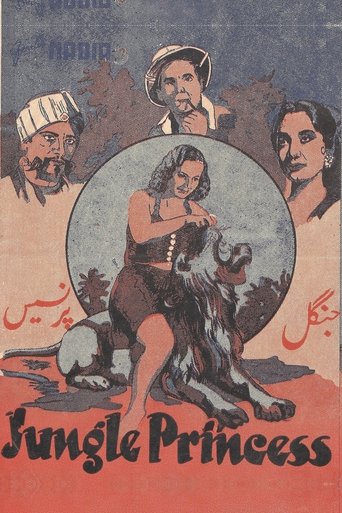
- Debut in The Jungle Princess (1942)
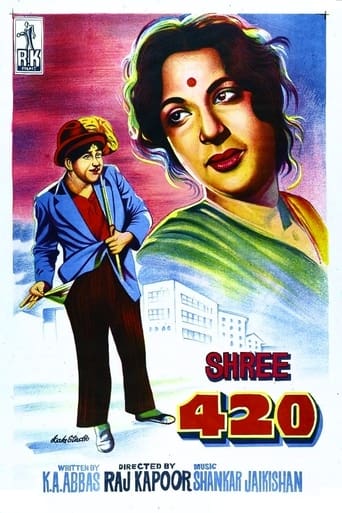
- Memorable role in Shree 420 (1955)
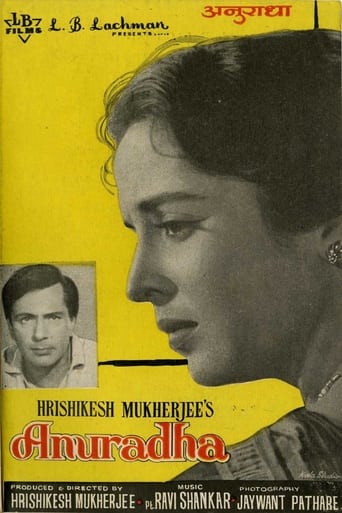
- Critically acclaimed performance in Anuradha (1960)
- Worked with Raj Kapoor in multiple films
- Established himself as a reliable supporting actor in Bollywood
Best Known For
Iconic Roles
Must-See Films
Accolades
Special Recognition
- Recognized as one of Bollywood's most reliable character actors of the 1950s
Working Relationships
Worked Often With
Studios
Why They Matter
Impact on Culture
Hari Shivdasani contributed significantly to the golden age of Indian cinema by consistently delivering memorable supporting performances that enhanced the narrative quality of numerous films. His work helped establish the importance of character actors in Bollywood, demonstrating that well-crafted supporting roles were essential to the success of mainstream cinema. Shivdasani's performances reflected the changing social dynamics of post-independence India, often portraying the emerging urban middle class with authenticity. His collaboration with legendary directors and actors helped shape the aesthetic and thematic concerns of 1950s Bollywood cinema.
Lasting Legacy
Hari Shivdasani's legacy lives on through his extensive filmography and the acting dynasty he helped create. His daughter Babita became a successful actress, and his granddaughters Karisma Kapoor and Kareena Kapoor became major Bollywood stars, making him part of one of Bollywood's most influential families. While he may not be remembered as a leading man, his contributions as a character actor helped define the golden age of Hindi cinema. His performances continue to be appreciated by classic film enthusiasts and serve as examples of skilled supporting work in Indian cinema.
Who They Inspired
Shivdasani influenced subsequent generations of character actors in Bollywood by demonstrating the importance and dignity of supporting roles. His naturalistic acting style contrasted with the more theatrical performances common in early Indian cinema, paving the way for more realistic acting techniques. Through his family connections, he indirectly influenced the careers of many prominent Bollywood actors who followed, including his granddaughters who became major stars in their own right.
Off Screen
Hari Shivdasani came from a Sindhi family and was part of the film industry's close-knit community. He married and had children, with his daughter Babita following in his footsteps to become a prominent actress in Bollywood. His family connections extended to the influential Kapoor family through his daughter's marriage to Randhir Kapoor. Shivdasani maintained a relatively private personal life despite his film career, focusing on his craft and family. He lived through the partition of India, which forced many Sindhi families, including possibly his own, to relocate from Karachi to Mumbai.
Education
Limited information available about his formal education
Family
- Unknown wife
Did You Know?
- Father of actress Babita Kapoor
- Grandfather of actresses Karisma Kapoor and Kareena Kapoor
- Part of the influential Kapoor family through marriage
- Appeared in over 100 films during his career
- Often played sophisticated urban characters
- Worked during the transition from the studio system to independent production in Bollywood
- Survived the partition of India and continued his career in Mumbai
- Never played the lead role but was consistently in demand as a character actor
- His performances were noted for their subtlety and naturalism
- Worked with three generations of the Kapoor family in different capacities
In Their Own Words
Information about specific quotes not readily available from historical records
Frequently Asked Questions
Who was Hari Shivdasani?
Prominent character with credits in this catalog. He appeared in over 100 films and was respected for his naturalistic acting style and versatility in playing various character types.
What films is Hari Shivdasani best known for?
When was Hari Shivdasani born and when did he die?
Born 1909; died 1994.
What awards did Hari Shivdasani win?
While specific awards for Hari Shivdasani are not well-documented, he was recognized as one of Bollywood's most reliable and talented character actors of the 1950s. His contributions to Indian cinema were primarily acknowledged through consistent work and respect from his peers in the industry.
What was Hari Shivdasani's acting style?
Hari Shivdasani was known for his naturalistic and subtle acting style, avoiding the melodramatic tendencies common in his era. He excelled at portraying sophisticated urban characters with authenticity and brought depth to both sympathetic and antagonistic roles through refined dialogue delivery and restrained performances.
How is Hari Shivdasani related to the Kapoor family?
Hari Shivdasani was the father of actress Babita Kapoor, who married Randhir Kapoor. This makes him the grandfather of actresses Karisma Kapoor and Kareena Kapoor, connecting him to one of Bollywood's most influential film families.
What was Hari Shivdasani's contribution to Indian cinema?
Hari Shivdasani contributed to Indian cinema by elevating the importance of character actors and demonstrating that supporting roles were essential to film quality. His naturalistic acting style influenced subsequent generations and helped establish more realistic performance techniques in Bollywood during its golden age.