Tatyana Lukashevich
Director
Born: January 21, 1905 in Moscow, Russian Empire Died: March 2, 1984 Active: 1937-1960 Birth Name: Tatyana Nikolayevna Lukashevich
Films
2 films
About Tatyana Lukashevich
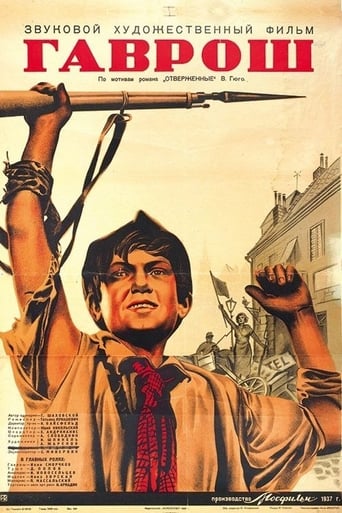
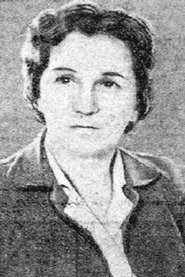
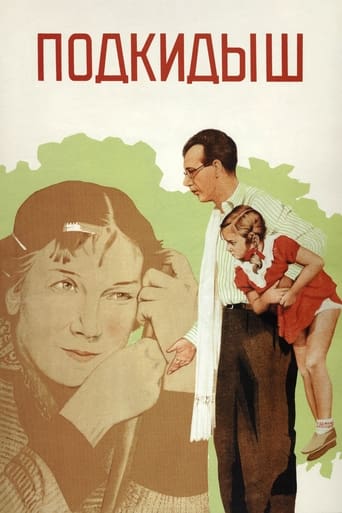
Soviet film director and screenwriter who emerged during the Stalinist era of Soviet cinema. She began her career in the 1930s, a time when female directors were extremely rare in the Soviet film industry, making her achievements particularly remarkable. Her directorial debut came with 'Gavroche' (1937), an adaptation of Victor Hugo's Les Misérables that showcased her ability to handle literary classics within the constraints of Soviet ideological requirements. She followed this success with 'The Foundling' (1939), further establishing herself as a director capable of creating emotionally resonant narratives that aligned with socialist realist principles. Throughout her career, Lukashevich navigated the complex political landscape of Soviet filmmaking, creating works that balanced artistic merit with ideological conformity. Her films often focused on themes of social justice, collective struggle, and the triumph of the working class, reflecting the dominant narratives of her time. Despite the limited opportunities for women in Soviet cinema, she managed to carve out a significant place for herself as one of the few female directors working in mainstream Soviet film production during this period.
The Craft
Behind the Camera
Lukashevich's directing style was characterized by a blend of emotional storytelling and adherence to socialist realist principles. She demonstrated a particular skill in adapting literary works for the screen, maintaining the essence of classic literature while ensuring the narratives aligned with Soviet ideological requirements. Her visual approach emphasized strong character development and dramatic tension, often focusing on themes of social justice and collective struggle. She worked within the constraints of the Soviet system while managing to create films with genuine emotional depth and artistic merit.
Milestones
- Directed 'Gavroche' (1937), her debut feature film
- Directed 'The Foundling' (1939), establishing her as a prominent Soviet director
- One of the few female directors in Soviet cinema during the 1930s-40s
- Successfully adapted literary classics for Soviet audiences
- Navigated the complex ideological requirements of socialist realism
Best Known For
Must-See Films
Accolades
Won
- Order of the Badge of Honor (1950)
- Honored Artist of the RSFSR (1960)
Nominated
- Stalin Prize nomination for 'The Foundling' (1939)
Special Recognition
- Honored Artist of the Russian Soviet Federative Socialist Republic
Working Relationships
Worked Often With
Studios
Why They Matter
Impact on Culture
Tatyana Lukashevich made significant contributions to Soviet cinema by breaking gender barriers in a male-dominated industry. As one of the few female directors working in mainstream Soviet film production during the 1930s and 1940s, she paved the way for future generations of women filmmakers in the Soviet Union. Her adaptations of literary classics demonstrated how foreign literature could be successfully integrated into Soviet cultural narratives while maintaining ideological conformity. Her films, particularly 'Gavroche' and 'The Foundling', became part of the standard repertoire of Soviet cinema and were shown regularly in theaters and on television throughout the Soviet era. Lukashevich's work exemplified how artists could maintain creative integrity while working within the strict constraints of the Soviet cultural system.
Lasting Legacy
Tatyana Lukashevich's legacy extends beyond her filmography to her role as a pioneer for women in Soviet cinema. Her ability to sustain a career as a director during. Her films continue to be studied by film historians as examples of how literary adaptations were handled within the socialist realist framework. Lukashevich's career serves as an important case study in understanding the role of women in Soviet cultural production and the ways in which artists navigated the complex relationship between artistic expression and political ideology. Her work has been rediscovered by contemporary scholars interested in gender and cinema, contributing to a broader understanding of women's contributions to film history.
Who They Inspired
Lukashevich influenced subsequent generations of Soviet and Russian filmmakers, particularly women entering the industry. Her success in adapting literary classics for the screen provided a model for future directors working with similar material. She mentored several young filmmakers during her later years, sharing her knowledge of both the artistic and practical aspects of filmmaking within the Soviet system. Her approach to balancing ideological requirements with artistic merit influenced how other directors approached their work during the later Stalin period and beyond. Contemporary Russian women directors often cite Lukashevich as an important historical figure who demonstrated that women could succeed as directors in challenging circumstances.
Off Screen
Tatyana Lukashevich led a relatively private life, with much of her focus dedicated to her filmmaking career during a challenging period in Soviet history. She was married to fellow filmmaker Nikolai Rozhkov, who worked as a cinematographer on several of her projects. The couple had one daughter, Elena, who later worked in the film industry as an editor. Lukashevich's personal life was deeply intertwined with her professional work, as was common for Soviet artists of her generation. She continued working in the film industry even after her active directing period, serving as a mentor to younger filmmakers and contributing to Soviet film education.
Education
Graduated from the State Institute of Cinematography (VGIK) in 1936, where she studied directing under prominent Soviet filmmakers of the era. Her education coincided with the establishment of socialist realism as the official artistic doctrine in the Soviet Union, which significantly influenced her approach to filmmaking.
Family
- Nikolai Rozhkov (1930s-1970s)
Did You Know?
- One of only five women to direct feature films in the Soviet Union during the 1930s
- Her film 'Gavroche' was based on Victor Hugo's Les Misérables but adapted to fit Soviet ideological themes
- Had to navigate the complex censorship requirements of the Soviet film industry throughout her career
- Her husband Nikolai Rozhkov was the cinematographer on several of her films
- Continued working in the film industry as a consultant and teacher after her directing career ended
- Her films were regularly shown in Soviet schools as examples of proper socialist realist cinema
- Survived the Stalinist purges that affected many of her colleagues in the film industry
- Was particularly skilled at working with child actors, as demonstrated in 'The Foundling'
- Her films were occasionally exported to other Eastern Bloc countries
- Maintained correspondence with several Western filmmakers despite the Iron Curtain
In Their Own Words
In Soviet cinema, we don't just tell stories - we build the future through images
Every frame must serve both art and the people
Adapting foreign classics is not about translation, but about transformation for our socialist reality
The camera is not just a tool, but a weapon in the struggle for a better world
As a woman director, I carry the responsibility of proving that art transcends gender
Frequently Asked Questions
Who was Tatyana Lukashevich?
Soviet on YTB.my. She was one of the few women to direct feature films in the Soviet Union during this period, known for directing 'Gavroche' (1937) and 'The Foundling' (1939). Her work exemplified the socialist realist style while maintaining artistic merit.
What films is Tatyana Lukashevich best known for?
Titles linked here include Gavroche (1937), The Foundling (1939).
When was Tatyana Lukashevich born and when did she die?
Born January 21, 1905; died March 2, 1984.
What awards did Tatyana Lukashevich win?
Lukashevich received the Order of the Badge of Honor in 1950 and was named an Honored Artist of the RSFSR in 1960. She also received a Stalin Prize nomination for 'The Foundling' in 1939, recognizing her contributions to Soviet cinema.
What was Tatyana Lukashevich's directing style?
Lukashevich's directing style blended emotional storytelling with socialist realist principles, focusing on strong character development and themes of social justice. She was particularly skilled at adapting literary classics for Soviet audiences while ensuring ideological conformity. Her visual approach emphasized dramatic tension and collective struggle.
How did Tatyana Lukashevich impact Soviet cinema?
Lukashevich broke significant gender barriers as one of the few female directors in Soviet cinema during the 1930s-40s. She demonstrated how women could succeed in mainstream film production during a politically restrictive period, paving the way for future generations. Her adaptations of literary classics showed how foreign works could be integrated into Soviet cultural narratives.
Was Tatyana Lukashevich married?
Yes, Lukashevich was married to Nikolai Rozhkov, a cinematographer who worked on several of her films. They had one daughter, Elena, who later became a film editor. Their marriage lasted from the 1930s until Rozhkov's death in the 1970s.