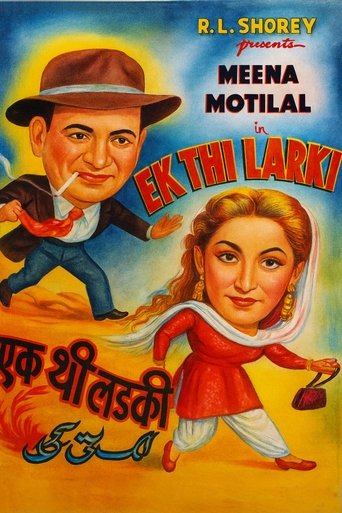
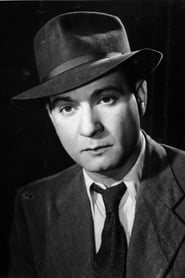
Motilal
Actor
Born: December 1, 1910 in Shimla, Punjab Province, British India Died: June 17, 1965 Active: 1934-1965 Birth Name: Motilal Rajvansh
Films
2 films
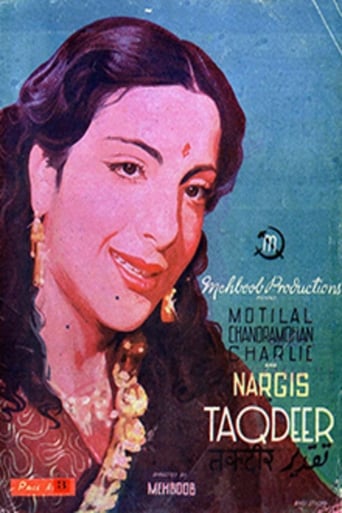
About Motilal
Motilal Rajvansh, known mononymously as Motilal, was an Indian actor who revolutionized naturalistic acting in Bollywood during the 1930s through 1960s. Born into a wealthy family in Shimla, he initially worked as a radio announcer before being discovered by filmmaker Debaki Bose. His debut came in 1934 with 'Shaher Ka Jadu,' and he quickly rose to prominence with his sophisticated, urban persona that stood apart from the theatrical style prevalent at the time. Motilal became known for his effortless charm, refined dialogue delivery, and ability to portray complex modern characters with authenticity. He reached the peak of his career in the 1940s and 1950s, starring in classics like 'Sikandar' (1941), 'Kismet' (1943), and 'Devdas' (1955), for which he won the Filmfare Award for Best Supporting Actor. Despite being one of the highest-paid actors of his era, he remained selective about his roles and maintained a reputation for professionalism throughout his career. His influence on subsequent generations of actors was profound, with many considering him the first truly natural performer in Indian cinema.
The Craft
On Screen
Motilal revolutionized Indian cinema with his naturalistic acting approach, abandoning the theatrical, exaggerated performances common in early Bollywood. He brought subtlety, restraint, and authenticity to his roles, using minimal gestures and realistic dialogue delivery that made his characters relatable and believable. His sophisticated urban persona, combined with a relaxed yet charismatic screen presence, set him apart from contemporaries. He excelled at portraying complex modern men with psychological depth, often playing the suave, educated protagonist or conflicted supporting character. His style was particularly influential in romantic and social dramas, where his understated emotions and nuanced expressions created powerful cinematic moments.
Milestones
- Film debut in 'Shaher Ka Jadu' (1934)
- Breakthrough role in 'Sikandar' (1941)
- Starred in blockbuster 'Kismet' (1943)
- Received Filmfare Award for 'Devdas' (1955)
- Pioneered naturalistic acting in Indian cinema
- One of the highest-paid actors of 1940s-50s
- Mentored and influenced Dev Anand
Best Known For
Iconic Roles
Must-See Films
Accolades
Won
- Filmfare Award for Best Supporting Actor for 'Devdas' (1955)
Nominated
- Filmfare Award nomination for Best Actor for 'Aah' (1953)
Special Recognition
- Recognized as one of the natural actors in Indian cinema
- Honored at various Indian film retrospectives for his contributions to cinema
Working Relationships
Worked Often With
Studios
Why They Matter
Impact on Culture
Motilal fundamentally transformed Indian cinema by introducing naturalistic acting at a time when theatrical performances dominated the industry. His sophisticated urban characters represented the modern, educated Indian man, helping to shape the image of the contemporary hero in Bollywood. He broke away from the traditional melodramatic style, paving the way for more realistic performances in Indian cinema. His influence extended beyond acting to fashion and lifestyle, as he embodied the cultured, cosmopolitan Indian that resonated with post-independence audiences. Motilal's approach to acting became a template for subsequent generations of actors who sought to bring authenticity and subtlety to their performances.
Lasting Legacy
Motilal's legacy endures as the actor who brought naturalism to Indian cinema, fundamentally changing how actors approached their craft. He is remembered as a trailblazer who proved that subtlety and restraint could be more powerful than exaggerated emotions on screen. His performances continue to be studied by acting students and filmmakers for their timeless quality and technical excellence. The Motilal style of acting - characterized by effortless charm, understated emotions, and sophisticated dialogue delivery - became an integral part of mainstream Bollywood acting. Many of India's greatest actors, from Dev Anand to Shah Rukh Khan, have acknowledged his influence on their work. Film historians consider him.
Who They Inspired
Motilal directly influenced Dev Anand's acting style and persona, with the young actor closely studying his performances. His naturalistic approach inspired the method acting movement in Indian cinema, influencing actors like Dilip Kumar and Balraj Sahni. Directors such as Bimal Roy and Guru Dutt incorporated his acting philosophy into their films, demanding more realistic performances from their casts. The sophisticated urban character type he perfected became a staple in Bollywood, influencing how leading men were portrayed for decades. His emphasis on subtlety over melodrama helped shape the aesthetic of parallel cinema in the 1970s and continues to influence contemporary Indian actors who strive for authenticity in their performances.
Off Screen
Motilal came from a wealthy Rajput family and enjoyed a privileged upbringing in Shimla. Despite his aristocratic background, he chose a career in the arts, initially working as a radio announcer before entering films. He was known for his sophisticated lifestyle and was. He never married and dedicated his life to his craft and close friendships within the film industry. His later years were marked by financial difficulties despite his earlier success, and he passed away in 1965 at the age of 54, leaving behind a legacy that influenced generations of Indian actors.
Education
Educated in Shimla, British India; attended prestigious schools during the colonial era and was well-educated in English literature and the arts
Did You Know?
- Was one of the first Indian actors to adopt a naturalistic acting style
- Worked as a radio announcer before entering films
- Never married and remained a bachelor throughout his life
- Was one of the highest-paid actors of the 1940s and 1950s
- Spoke fluent English, Hindi, and Urdu
- Was an accomplished horse rider and often performed his own stunts
- Lived in a luxurious bungalow in Bombay's elite Cuffe Parade area
- Despite his success, faced financial difficulties in his later years
- Was known for his impeccable fashion sense and sophisticated lifestyle
- Discovered Dev Anand and mentored him early in his career
- His performance in 'Devdas' is considered one of the greatest supporting roles in Indian cinema
In Their Own Words
Acting is not about showing emotions, it's about feeling them and letting them show naturally.
The camera sees everything, so there's no need to exaggerate. Just be honest to your character.
I never acted, I just lived the character on screen.
Naturalism in cinema is the future - audiences want to see real people, not performers.
The best actors are those who make you forget they're acting at all.
Frequently Asked Questions
Who was Motilal?
Motilal Rajvansh was an Indian actor active from 1934 to 1965, known for revolutionizing naturalistic acting in Bollywood. He was one of the first actors to abandon theatrical performances in favor of subtle, realistic portrayals, particularly excelling in sophisticated urban roles that resonated with modern Indian audiences.
What films is Motilal best known for?
Titles linked here include Sikandar (1941), Kismet (1943).
When was Motilal born and when did he die?
Born December 1, 1910; died June 17, 1965.
What awards did Motilal win?
Motilal won the Filmfare Award for Best Supporting Actor for his performance in 'Devdas' (1955). He was also nominated for Best Actor for 'Aah' (1953). While formal awards were limited during his era, he is widely recognized as one of Indian cinema's most leading actors.
What was Motilal's acting style?
Motilal pioneered naturalistic acting in Indian cinema, characterized by subtlety, restraint, and authenticity. He abandoned the theatrical style of his contemporaries, favoring minimal gestures and realistic dialogue delivery. His sophisticated urban persona and effortless charm made him particularly effective in portraying complex modern characters with psychological depth.