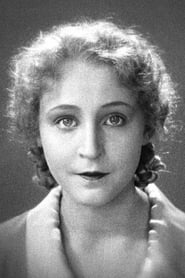
Brigitte Helm
Actor
Born: March 17, 1906 in Berlin, German Empire Died: June 11, 1996 Active: 1927-1935 Birth Name: Brigitte Gisela Eva Schittenhelm
Films
2 films
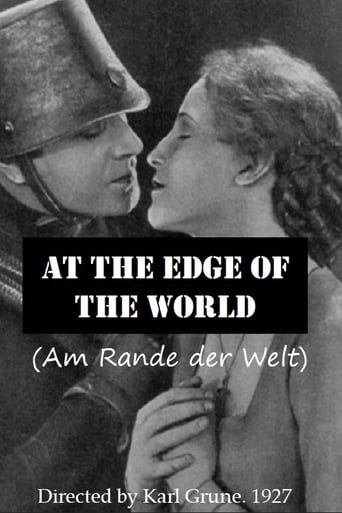
About Brigitte Helm
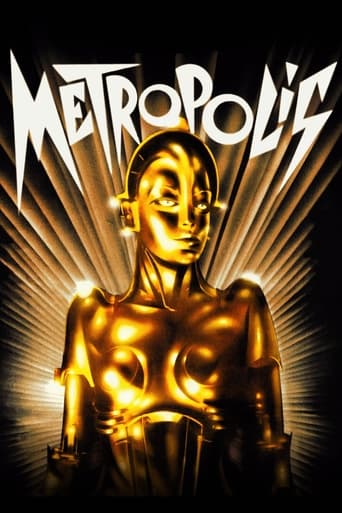
German actress who achieved international fame for her dual performance as Maria and the Maschinenmensch (robot) in Fritz Lang's 1927 masterpiece Metropolis. Born in Berlin in 1906, she was discovered by screenwriter Thea von Harbou while working as a model and cast in Metropolis at just 17 years old, making her film debut in what would become one of cinema's most influential works. Following Metropolis, Helm became one of Germany's most popular actresses during the late Weimar Republic period, starring in numerous silent films and successfully transitioning to talkies in the early 1930s. She worked with prominent directors like G.W. Pabst and appeared in films such as Alraune (1928), Die Wunderbare Lüge der Nina Petrowna (1929), and Gold (1934). Her career came to an abrupt end in 1935 when she refused to work with the Nazi regime, after which she retired from acting and moved to Switzerland with her family. Helm spent the remainder of her life away from the public eye, occasionally granting interviews about her role in Metropolis but largely maintaining her privacy until her death in 1996.
The Craft
On Screen
Brigitte Helm was known for her expressive and versatile acting style, particularly adept at portraying contrasting characters within the same film. Her performance in Metropolis showcased her ability to embody both innocence and artificial menace, using subtle facial expressions and body language to distinguish between the human Maria and the robot. In the silent era, she mastered the art of conveying emotion through gesture and expression, and she adapted well to the demands of sound films, maintaining her dramatic intensity while incorporating vocal performance. Her style combined the theatricality common in silent films with a naturalistic quality that made her performances feel authentic and compelling.
Milestones
- Starred in Fritz Lang's Metropolis (1927) in dual role of Maria and the robot
- Successfully transitioned from silent films to talkies
- Became one of Germany's highest-paid actresses in the late 1920s
- Retired from acting rather than work with the Nazi regime
- Left a lasting legacy through her iconic robot performance in Metropolis
Best Known For
Iconic Roles
Must-See Films
Accolades
Special Recognition
- Posthumously recognized as
- Her Metropolis performance is preserved in the United States National Film Registry
- Honored at numerous film retrospectives celebrating German Expressionist cinema
Working Relationships
Worked Often With
Studios
Why They Matter
Impact on Culture
Brigitte Helm's impact on cinema, particularly science fiction, cannot be overstated. Her portrayal of the Maschinenmensch in Metropolis created. The character's design and her performance inspired generations of filmmakers, from James Cameron's Terminator to Ridley Scott's Blade Runner. Her dual role as both the innocent Maria and the seductive robot established a template for exploring themes of technology, humanity, and identity in science fiction cinema. The film itself has been referenced, parodied, and homaged countless times in popular culture, with Helm's robot image becoming an well-known symbol of both the silent era and science fiction as a genre.
Lasting Legacy
Brigitte Helm's legacy is primarily defined by her notable work in Metropolis, which continues to influence cinema nearly a century after its release. Her performance represents the pinnacle of German Expressionist cinema and demonstrates the artistic possibilities of silent film at its most sophisticated. Despite her relatively brief career, she remains cited on film history, with her robot character becoming. Her principled stand against the Nazi regime by retiring from acting also serves as an example of artistic integrity. Today, film historians and enthusiasts recognize her as a pioneer who helped establish the visual language of science fiction cinema and created an enduring cultural icon that transcends its original context.
Who They Inspired
Helm's influence extends far beyond her contemporaries, affecting countless filmmakers and actors in the science fiction genre. Her mechanical movements and the way she portrayed artificial intelligence influenced how robots and androids would be depicted in cinema for decades. Directors like Stanley Kubrick, George Lucas, and Ridley Scott have cited Metropolis and Helm's performance as inspirations. Her work demonstrated the power of physical performance in creating memorable characters without relying on dialogue, a technique that continues to influence actors in both science fiction and other genres. The visual aesthetic she helped create in Metropolis became a touchstone for dystopian and cyberpunk cinema, with her robot serving as a direct ancestor to characters like Maria from The Matrix and Ava from Ex Machina.
Off Screen
Brigitte Helm married industrialist Hugo von Kuenheim in 1935, the same year she retired from acting. The couple had four children together and moved to Switzerland to escape the Nazi regime's influence in Germany. Helm maintained a very private life after her retirement, rarely giving interviews or making public appearances, though she occasionally spoke about her experiences making Metropolis. She spent her later years in Ascona, Switzerland, where she lived until her death at age 90. Despite being.
Education
Attended school in Berlin; no formal acting training, learned through on-set experience
Family
- Hugo von Kuenheim (1935-1996)
Did You Know?
- She was only 17 years old when she filmed Metropolis
- The robot costume was so heavy and uncomfortable that she could only wear it for short periods
- Fritz Lang initially wanted Marlene Dietrich for the role, but his wife Thea von Harbou insisted on Helm
- She was discovered while working as a model for a fashion magazine
- The robot makeup took up to four hours to apply each day
- She became one of Germany's highest-paid actresses after Metropolis
- She refused to work with the Nazi regime and retired from acting in 1935
- Her robot character was the first major cinematic depiction of an artificial being
- She appeared in over 30 films during her eight-year career
- The famous transformation scene in Metropolis took several days to film
- She was offered a Hollywood contract but declined it
- Her performance in Metropolis was largely improvised as the script was incomplete
In Their Own Words
I was a young girl when I made Metropolis. I didn't understand the film's significance at the time.
The robot costume was terrible. I could barely breathe or move in it.
I have no regrets about leaving films. I chose my family and my principles over fame.
Metropolis gave me immortality in cinema, but I preferred a normal life.
People still recognize me from that film after all these years. It's strange but wonderful.
Frequently Asked Questions
Who was Brigitte Helm?
German actress best known for her iconic dual role as Maria and the Maschinenmensch robot in Fritz Lang's 1927 silent masterpiece Metropolis. She was.
What films is Brigitte Helm best known for?
Titles linked here include Metropolis (1927), Alraune (1928).
When was Brigitte Helm born and when did she die?
Born March 17, 1906; died June 11, 1996.
What awards did Brigitte Helm win?
During her active years, Helm did not receive major formal awards, but her legacy has been recognized posthumously. Her performance in Metropolis is preserved in the United States National Film Registry, and she is celebrated as a figure in science fiction cinema.
What was Brigitte Helm's acting style?
Helm was known for her expressive and versatile acting style, particularly adept at portraying contrasting characters through subtle facial expressions and body language. She mastered the theatricality of silent films while incorporating naturalistic qualities, and successfully transitioned to sound films while maintaining her dramatic intensity.