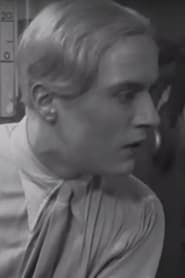
Erwin Biswanger
Actor
Born: October 18, 1896 in Berlin, Germany Died: June 30, 1985 Active: 1924-1927
Films
3 films
About Erwin Biswanger
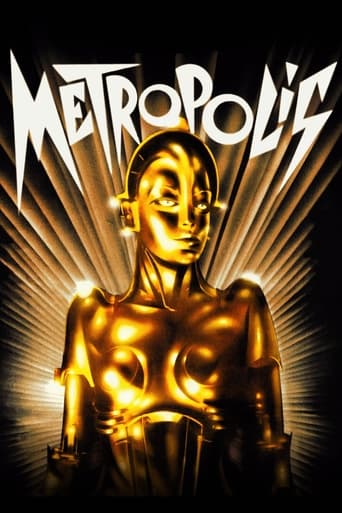
Made his mark during the golden age of German silent cinema in the 1920s. His career, though brief, was significant as he participated in two of the most important German films of the era under the direction of the Fritz Lang. Biswanger began his film career with a role in Lang's epic fantasy 'Die Nibelungen: Siegfried' in 1924, which was part of a two-part adaptation of the Germanic myth. His most notable performance came three years later in the science fiction masterpiece 'Metropolis' (1927), where he played the character of Georgy, one of the workers in the underground city. This role placed him at the center of one of cinema's most influential productions, working alongside stars like Gustav Fröhlich and Brigitte Helm. After 'Metropolis,' Biswanger's film career appears to have ended as abruptly as it began, with no further recorded film credits. His legacy remains tied to these two monumental works of German Expressionist cinema, which continue to be studied and celebrated by film scholars worldwide.
The Craft
On Screen
Biswanger's acting style was typical of German Expressionist cinema, characterized by exaggerated gestures and intense facial expressions that conveyed emotion without dialogue. In 'Metropolis,' his portrayal of Georgy reflected the physical and emotional toll of industrial labor on the working class, using body language and expression to communicate the character's suffering and resilience.
Milestones
- Debut in Fritz Lang's 'Die Nibelungen: Siegfried' (1924)
- Memorable role as Georgy in 'Metropolis' (1927)
- Participation in two of the most influential German films of the silent era
Best Known For
Iconic Roles
Must-See Films
Accolades
Special Recognition
- Recognition as part of the cast of 'Metropolis' - now preserved in the National Film Registry
Working Relationships
Worked Often With
Studios
Why They Matter
Impact on Culture
Erwin Biswanger's contribution to cinema, while limited in scope, is significant due to his participation in two landmark films that defined German Expressionist cinema. 'Metropolis' in particular has had an enduring influence on science fiction filmmaking, visual effects, and dystopian storytelling. His portrayal of Georgy helped humanize the working class struggle that forms the film's central theme, contributing to its lasting social and political relevance. The film's preservation in cultural memory ensures that Biswanger's work continues to be seen by new generations of film enthusiasts and scholars.
Lasting Legacy
Biswanger's legacy is inextricably linked to the golden age of German silent cinema and the masterpieces of Fritz Lang. While he may not have achieved stardom or had an extensive filmography, his performances in two of cinema's most influential films ensure his place in film history. 'Metropolis' continues to be referenced, studied, and celebrated nearly a century after its release, making Biswanger's contribution to this enduring work part of cinema's permanent cultural heritage.
Who They Inspired
As a supporting actor in groundbreaking films, Biswanger's influence lies primarily in his contribution to films that inspired generations of filmmakers. The visual and thematic innovations of 'Metropolis' influenced countless directors from Ridley Scott to George Lucas, and Biswanger was part of the ensemble that brought this vision to life. His work exemplifies the collaborative nature of cinema, where even supporting roles contribute to the creation of lasting art.
Off Screen
Erwin Biswanger lived a relatively private life outside of his brief film career. Born in Berlin in 1896, he came of age during a transformative period in German history and cinema. After his film career ended in 1927, he appears to have returned to private life, with little public documentation of his subsequent activities. He lived through the tumultuous periods of the Weimar Republic, Nazi Germany, and post-war reconstruction, passing away in 1985 at the age of 88 in his hometown of Berlin.
Did You Know?
- Despite appearing in two of the most famous German films of the 1920s, Biswanger's film career lasted only three years
- His character Georgy in 'Metropolis' was one of the workers who suffered in the underground city beneath the gleaming surface world
- Both of his known films were directed by Fritz Lang and produced by Germany's largest film studio, UFA
- 'Metropolis' was
- The original version of 'Metropolis' was heavily cut for international release, and a complete version wasn't reconstructed until 2010
- Biswanger worked during the peak of German Expressionist cinema, a movement that heavily influenced film noir and modern cinema
- He lived to see 'Metropolis' become recognized as one of the greatest films ever made
- Both films he appeared in are now considered essential viewing for students of film history
Frequently Asked Questions
Who was Erwin Biswanger?
German with credits in this catalog. He is best known for his roles in two of Fritz Lang's most famous films: 'Die Nibelungen: Siegfried' (1924) and 'Metropolis' (1927). Though his career was brief, spanning only three years, he participated in two of the most influential German films of all time.
What films is Erwin Biswanger best known for?
Titles linked here include Metropolis (1927), Die Nibelungen: Siegfried (1924).
When was Erwin Biswanger born and when did he die?
Born October 18, 1896; died June 30, 1985.
What awards did Erwin Biswanger win?
There are no records of Erwin Biswanger receiving individual awards or nominations during his lifetime. However, as part of the cast of 'Metropolis,' he contributed to a film that has received numerous posthumous accolades and recognitions, including its preservation in the National Film Registry for its cultural, historical, and aesthetic significance.
What was Erwin Biswanger's acting style?
Biswanger's acting style was characteristic of German Expressionist cinema, featuring exaggerated gestures and intense facial expressions necessary for conveying emotion in silent films. In 'Metropolis,' his physical performance effectively communicated the hardship and resilience of the working class, using body language rather than dialogue to express his character's inner state.
Why did Erwin Biswanger's film career end so quickly?
While the exact reasons for Biswanger's departure from film are not documented, it was not uncommon for actors in the 1920s to have brief careers, especially in supporting roles. The transition to sound films in the late 1920s also ended many silent film careers. Biswanger appears to have returned to private life after 1927, living another 58 years without further film credits.