Films
2 films
About Adolphe Le Prince
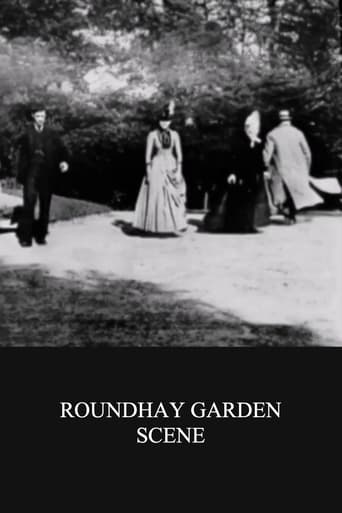
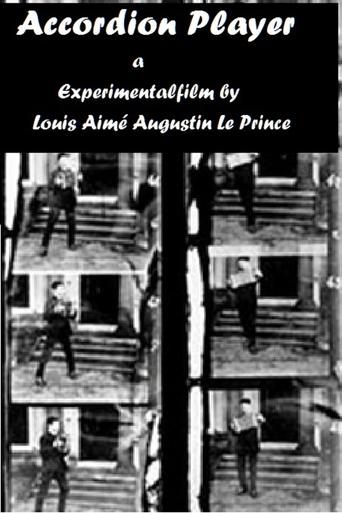
Adolphe Le Prince was the son of French inventor Louis Le Prince, often called the 'Father of Cinematography.' Born in Leeds, England, while his father was working there, Adolphe became one of the very first actors to appear in motion pictures during experimental film shoots in 1888. Adolphe appears in his father's short films 'Roundhay Garden Scene' and 'Accordion Player,' which were created using Louis Le Prince's single-lens camera invention. These films were shot in Leeds and represent some of the earliest surviving moving images ever captured. Adolphe's acting career was limited to these experimental films, as he was primarily assisting his father's technological innovations rather than pursuing a professional acting career. After his father's mysterious disappearance in 1890, Adolphe became involved in legal battles to establish his father's priority in the invention of motion pictures. His brief appearance in these historic films has secured his place in cinema history as one of the very first film actors, predating the established film industry by several years.
The Craft
On Screen
Natural and unstaged performance typical of early experimental films, where subjects were captured in candid moments rather than theatrical performances
Milestones
- Appeared in Roundhay Garden Scene (1888), considered the oldest surviving film
- Starred in Accordion Player (1888), another early film
- Participated in his father Louis Le Prince's revolutionary film experiments
- Became one of the first actors in cinema history
- Assisted in establishing his father's legacy as a cinema pioneer
Best Known For
Iconic Roles
Must-See Films
Accolades
Special Recognition
- Recognized as one of the first film actors in cinema history
- Featured in film history documentaries about early cinema
Working Relationships
Worked Often With
Studios
Why They Matter
Impact on Culture
Adolphe Le Prince holds a unique place in cinema history as one of the very first people ever captured on moving film. His appearances in his father's experimental films represent the dawn of cinema itself, predating the commercial film industry by nearly a decade. The Roundhay Garden Scene, in which he appears, is widely recognized as the oldest surviving motion picture and is studied by film historians worldwide as the starting point of cinematic art. These early films, featuring Adolphe and his family, demonstrate the very beginnings of film language and the human fascination with capturing movement on screen.
Lasting Legacy
Adolphe Le Prince's legacy is intrinsically tied to the birth of cinema itself. Though his acting career consisted of only two brief films, his image represents the genesis of film performance. The films he appeared in are now priceless historical artifacts that show the very first steps of cinema as an art form. His work, along with his father's inventions, helped establish France and England as important birthplaces of motion picture technology. Modern film historians and preservationists continue to study these early films to understand the origins of cinema and the technical innovations that made it possible.
Who They Inspired
As one of the first film actors, Adolphe Le Prince influenced the very concept of film performance, though indirectly. His natural, unstaged presence in these early films set a precedent for the documentary style of early cinema. Future generations of filmmakers and actors would look back at these films as the foundation of their art. His participation in his father's experiments helped demonstrate that film could capture human movement and expression, paving the way for the development of narrative cinema and the art of film acting that would follow in subsequent decades.
Off Screen
Adolphe Le Prince was born into the family of inventor Louis Le Prince and grew up during his father's work in motion picture technology. After his father's mysterious disappearance from a train in 1890, Adolphe and his family spent years trying to establish Louis's contributions to cinema invention. Adolphe died young at age 29, before the film industry had fully developed, never seeing how significant his early film appearances would become to cinema history.
Education
Limited information available; likely educated in England while his father worked there
Did You Know?
- Roundhay Garden Scene (1888), featuring Adolphe, is listed in Guinness World Records as the oldest surviving film
- The film runs for only 2.11 seconds at 12 frames per second
- Adolphe was approximately 16 years old when he appeared in these films
- His father Louis Le Prince disappeared under mysterious circumstances in 1890, just as he was preparing to demonstrate his invention in London
- The films were shot using Louis Le Prince's single-lens camera, which was years ahead of Edison's and the Lumière brothers' inventions
- Roundhay Garden Scene was filmed at Oakwood Grange, the home of Adolphe's grandparents
- Adolphe and his family were likely unaware they were making history during these film shoots
- The original films were shot on paper film, not celluloid
- Adolphe's younger brother also appeared in some of their father's experiments
- These films were made before the term 'movie' or 'cinema' even existed
Frequently Asked Questions
Who was Adolphe Le Prince?
Adolphe Le Prince was the son of filmmaker Louis Le Prince and one of the very first actors to appear in motion pictures. He starred in his father's experimental films from 1888, including the famous Roundhay Garden Scene, which is considered the oldest surviving film in history.
What films is Adolphe Le Prince best known for?
Titles linked here include Roundhay Garden Scene (1888), Accordion Player (1888).
When was Adolphe Le Prince born and when did he die?
Born 1872; died 1901.
What was Adolphe Le Prince's connection to early cinema?
Adolphe Le Prince was directly connected to the birth of cinema through his father Louis Le Prince, who invented one of the first motion picture cameras. Adolphe served as both an assistant and actor in his father's revolutionary film experiments, making him one of cinema's first performers.
Why is Roundhay Garden Scene historically significant?
Roundhay Garden Scene is historically significant because it's recognized as the oldest surviving motion picture in existence. The 2.11-second film captures Adolphe Le Prince and his family in a garden scene, representing the very beginning of cinema as an art form and medium.
Did Adolphe Le Prince have a career in acting beyond 1888?
No, Adolphe Le Prince did not have a professional acting career beyond 1888. His appearances in his father's films were part of family experiments with motion picture technology, not a career pursuit. He died young in 1901, before the commercial film industry had truly begun.