Stuart Heisler
Director
Born: March 15, 1896 in Los Angeles, California, USA Died: November 20, 1979 Active: 1920s-1950s Birth Name: Stuart Gilmore Heisler
Films
1 film
About Stuart Heisler
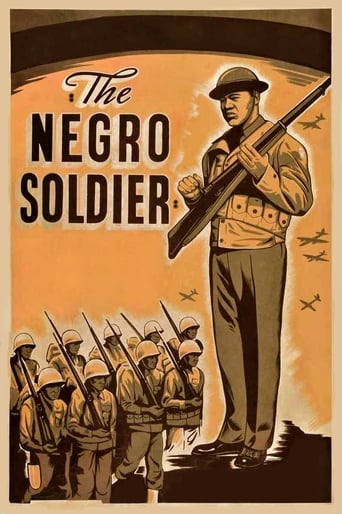
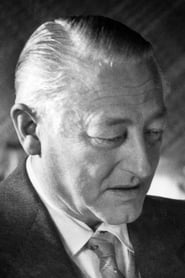
Stuart Gilmore Heisler — American film and television director whose the late silent era, the Golden Age of Hollywood, and early television. Born in Los Angeles, he entered the film industry as a technical and editing apprentice before moving into the cutting room, where he developed a strong sense of pace, suspense, and visual clarity that later shaped his directing. Heisler became known in the 1930s and 1940s for efficient, muscular filmmaking across a wide range of genres, especially film noir, crime dramas, westerns, war pictures, and action adventures. Among his most notable films are The Glass Key, among the key early noirs; Tulsa, a Technicolor oil-industry drama; and the wartime documentary-style feature The Negro Soldier, which remains one of his best-known works and was produced under the supervision of Frank Capra. He directed with a practical studio-era professionalism, often emphasizing momentum, atmosphere, and sharp storytelling over flourish, which made him a reliable director for both A-pictures and programmers. Later in his career, he moved into television, directing episodes of numerous anthology, suspense, and adventure series as the medium expanded in the 1950s. Heisler died in 1979, leaving behind a reputation as a versatile and sturdy craftsman whose best films are still valued for their efficient construction and noir-era toughness.
The Craft
Behind the Camera
Heisler’s directing style was compact, efficient, and highly functional, reflecting his background in editing and studio production. He was especially effective with suspense, action, and hard-edged drama, using brisk pacing, clean visual storytelling, and strong dramatic setups to keep narratives moving. His best-known films often show a sharp ear for tension and an ability to balance studio polish with a gritty, sometimes noir-inflected atmosphere. He did not typically pursue a highly personalized auteur style; instead, he became known as a dependable craftsman who could adapt to different genres and production demands. In his strongest work, he brought a disciplined rhythm and a practical economy that served both character and plot very well.
Milestones
- Worked his way up in Hollywood from film editing and technical work before becoming a director
- Directed The Negro Soldier (1944),
- Helmed the early film noir The Glass Key (1942), a major adaptation of Dashiell Hammett
- Directed Tulsa (1949), a notable Technicolor studio film about the Oklahoma oil boom
- Built a long career directing genre films, including westerns, thrillers, war dramas, and adventure pictures
- Successfully transitioned from theatrical features to television directing in the 1950s
Best Known For
Must-See Films
Working Relationships
Worked Often With
Studios
Why They Matter
Impact on Culture
Stuart Heisler’s cultural impact lies less in celebrity than in his role as a dependable builder of studio-era genre cinema. His work on The Negro Soldier is especially important because the film was designed to address race, citizenship, and wartime morale in a direct way during World War II; as such, it stands as a significant artifact of American wartime film history. Heisler’s noirs and thrillers helped define the sleek, fast-moving visual language of midcentury American genre filmmaking, while his westerns and action films contributed to the sturdy narrative style that audiences came to associate with studio craftsmanship. His films also demonstrate how midlevel directors shaped the daily texture of Hollywood cinema, even when they were not always celebrated as auteurs. In retrospect, he represents an important class of Hollywood director: versatile, reliable, and deeply embedded in the industrial system that powered classic American movies.
Lasting Legacy
Heisler’s legacy rests on his body of work as a consummate studio director whose films remain useful touchstones for scholars of noir, wartime cinema, and genre filmmaking. The Negro Soldier continues to be studied for its place in African American representation and wartime propaganda, while The Glass Key remains a solid example of Dashiell Hammett adaptation and early noir style. Though he may not have received the lasting prestige of more famous contemporaries, his films illustrate the importance of skilled journeyman directors in maintaining the output and quality of classical Hollywood. Heisler’s transition into television also reflects the broader migration of film talent into the new medium during the 1950s. His name endures primarily among classic film historians and genre enthusiasts, where he is respected as a versatile and capable craftsman.
Who They Inspired
Heisler influenced later filmmakers primarily through the disciplined, no-nonsense approach visible in his genre work, particularly in how he balanced atmosphere with narrative efficiency. His films are examples of studio-era directorial craftsmanship that younger directors and historians can study for pacing, economy, and structural clarity. In the noir field, The Glass Key contributes to the broader visual and tonal vocabulary that later crime films inherited. His wartime work, especially The Negro Soldier, also had influence as part of the larger development of documentary-inflected narrative filmmaking used for propaganda and social messaging. While not a major stylistic innovator, he influenced by example: demonstrating how a skilled director could make strong, memorable pictures within the constraints of the studio system.
Off Screen
Stuart Heisler lived much of his life in the Hollywood orbit and is generally described in film histories as a studio professional rather than a public celebrity. Reliable biographical information about his private life is limited in standard film references, and detailed accounts of marriages, children, or personal relationships are not well documented in commonly available sources. He worked steadily in the industry for decades, first behind the scenes and later as a director, which suggests a career built more on craft and consistency than on public notoriety. Because of that, much of what is known about him comes from his films, credits, and studio-era trade records rather than extensive personal interviews.
Education
Specific formal education is not well documented in standard film references; he appears to have entered the film industry through practical studio work and on-the-job training in Hollywood.
Did You Know?
- Heisler began in Hollywood working behind the camera before becoming a director, which gave him a strong technical foundation.
- He directed The Negro Soldier under the broader wartime film efforts associated with Frank Capra.
- The Glass Key is one of the earlier studio noirs and remains one of his most studied films.
- Tulsa was a Technicolor production, showing that he could handle both gritty crime stories and large-scale studio spectacle.
- He later worked in television, as did many film directors of his generation when feature opportunities changed.
- His career is a good example of the classic Hollywood studio system’s reliance on versatile, dependable directors.
- Despite a long career, he remained less of a celebrity auteur than a respected craftsman.
- Heisler’s films often mix brisk storytelling with hard-edged genre elements, a hallmark of his practical style.
Frequently Asked Questions
Who was Stuart Heisler?
American film and television on YTB.my. He directed crime films, westerns, war dramas, and thrillers, and is especially remembered for The Negro Soldier and The Glass Key.
What films is Stuart Heisler best known for?
Titles linked here include The Negro Soldier (1944), The Glass Key (1942).
When was Stuart Heisler born and when did he die?
Born March 15, 1896; died November 20, 1979.
What awards did Stuart Heisler win?
No major awards or nominations are widely documented in standard reference sources for Stuart Heisler. His reputation rests more on the quality and historical interest of his films than on formal industry honors.
What was Stuart Heisler's directing style?
Heisler’s directing style was brisk, practical, and well suited to studio-era genre filmmaking. He favored clear storytelling, strong pacing, and a disciplined visual approach, especially in suspense and crime material.
What is Stuart Heisler's legacy in film history?
His legacy lies in being a skilled and dependable studio-era director whose work helped shape wartime, noir, and genre cinema. He is especially valued today by classic film historians for The Negro Soldier and The Glass Key, which remain important examples of their kinds.