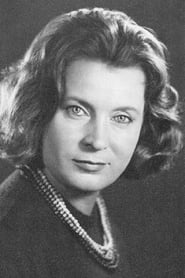
Lyubov Sokolova
Actor
Born: August 1, 1921 in Maly Verkh village, Tambov Governorate, Soviet Russia Died: June 6, 2001 Active: 1941-1998 Birth Name: Lyubov Grigoryevna Sokolova
Films
2 films
About Lyubov Sokolova
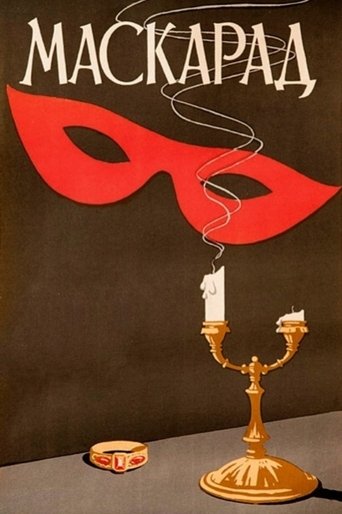
Lyubov Grigoryevna Sokolova was one of Soviet cinema's most prolific and beloved character actresses, whose over five decades. Born in 1921 in rural Russia, she graduated from the State Institute of Theater Arts (GITIS) in 1941, just as World War II began. Her breakthrough role came in the wartime drama 'Masquerade' (1941), establishing her as a promising young talent. Throughout the 1940s and 1950s, she became known for her ability to portray ordinary Soviet women with remarkable authenticity and emotional depth. Sokolova's career flourished during the post-Stalin Thaw, where she took on increasingly complex roles in films like 'The Cranes Are Flying' (1957) and 'The Beginning' (1970). By the 1970s and 1980s, she had become a matriarchal figure in Soviet cinema, often playing mothers, grandmothers, and wise village women. Her final decades saw her receive the highest honors in Soviet and Russian theater and film, cementing her legacy as respected actresses of her generation.
The Craft
On Screen
Sokolova was renowned for her naturalistic, understated acting style that brought extraordinary depth to ordinary characters. She possessed a remarkable ability to convey complex emotions through subtle facial expressions and body language, often saying more with a glance than with dialogue. Her approach was deeply rooted in the Stanislavski system, emphasizing psychological realism and emotional authenticity. Sokolova specialized in portraying strong, resilient Soviet women who embodied both vulnerability and inner strength. Her performances were characterized by their lack of theatricality, creating characters that felt like real people rather than dramatic constructs.
Milestones
- Graduated from GITIS in 1941
- Breakthrough role in 'Masquerade' (1941)
- Joined Moscow Art Theater company
- Awarded People's Artist of the USSR (1990)
- Appeared in over 100 films
- Received State Prize of the Russian Federation (1997)
Best Known For
Iconic Roles
Must-See Films
Accolades
Won
- People's Artist of the USSR (1990)
- State Prize of the Russian Federation (1997)
- Order of Friendship (1996)
- Order of the Red Banner of Labour (1971)
- Order of the Badge of Honour (1967)
Nominated
- Nika Award for Best Actress (1988)
Special Recognition
- Honored Artist of the RSFSR (1958)
- People's Artist of the RSFSR (1969)
- Moscow Art Theater lifetime achievement award
Working Relationships
Worked Often With
Studios
Why They Matter
Impact on Culture
Lyubov Sokolova became an iconic figure in Soviet cinema, representing the ideal Soviet woman through her numerous portrayals of strong, resilient characters. Her performances helped shape the cultural narrative of Soviet womanhood during the post-war period and beyond. Sokolova's ability to bring authenticity to everyday characters made her a relatable and beloved figure across generations of Soviet viewers. Her work in films like 'Moscow Does Not Believe in Tears' helped define the Soviet cinematic identity during the era of stagnation and beyond. Through her roles, she contributed to the documentation and preservation of Soviet social history on film.
Lasting Legacy
Lyubov Sokolova's legacy endures as. Her filmography serves as a chronicle of Soviet life from the 1940s through the 1990s, capturing the changing social and political landscape through the eyes of ordinary women. The Moscow Art Theater maintains an archive of her work, and film scholars continue to study her naturalistic acting style as a model of psychological realism. Her influence can be seen in subsequent generations of Russian actresses who adopted her approach to understated, emotionally authentic performances. Sokolova's films remain regularly shown on Russian television and in retrospectives, introducing new audiences to her remarkable talent.
Who They Inspired
Sokolova's naturalistic acting style influenced generations of Soviet and Russian actors who sought to move away from theatrical traditions toward greater realism. Her success as a character actress helped establish the importance of supporting roles in Soviet cinema, paving the way for other character actors to receive recognition. Many contemporary Russian actresses cite her ability to convey deep emotion through subtle means as a major influence on their work. Her approach to portraying ordinary Soviet women with dignity and complexity helped expand the range of roles available to actresses in Soviet film. The Moscow Art Theater, where she worked for decades, continues to teach her acting techniques to new generations of performers.
Off Screen
Lyubov Sokolova was married twice during her lifetime. Her first marriage was to fellow actor Yuri Lyubimov, though this union ended in divorce. She later married director Vladimir Basov, with whom she had a son, Vladimir Basov Jr., who also became an actor and director. Despite her demanding career, Sokolova maintained close relationships with her family and was known as a devoted mother and grandmother. She lived most of her adult life in Moscow, remaining connected to the Moscow Art Theater until her death in 2001 at age 79.
Education
State Institute of Theater Arts (GITIS), graduated 1941
Family
- Yuri Lyubimov (1940s-1950s)
- Vladimir Basov (1950s-1987)
Did You Know?
- Appeared in over 100 films throughout her 57-year career
- Was discovered while studying at GITIS by director Konstantin Stanislavski
- Her second husband Vladimir Basov directed her in several films
- Continued acting well into her 70s, appearing in films until 1998
- Was a member of the Communist Party, as was common for prominent Soviet artists
- Her son Vladimir Basov Jr. Directed her in her final film roles
- Survived the Siege of Moscow during World War II
- Was known for her photographic memory and ability to learn lines quickly
- Often played characters significantly older than her actual age
- Received the highest honors in Soviet and Russian theater and film
In Their Own Words
I never played roles, I lived them. Every character was a part of my soul.
The camera doesn't lie. It knows when you're faking emotion.
To be an actress is to understand human nature in all its complexity.
My greatest teachers were the ordinary people I met in my life.
Cinema is not just entertainment, it's the memory of our people.
Frequently Asked Questions
Who was Lyubov Sokolova?
Celebrated Soviet and Russian actress known for her naturalistic performances in over 100 films from 1941 to 1998. She was particularly renowned for portraying ordinary Soviet women with remarkable authenticity and emotional depth, becoming.
What films is Lyubov Sokolova best known for?
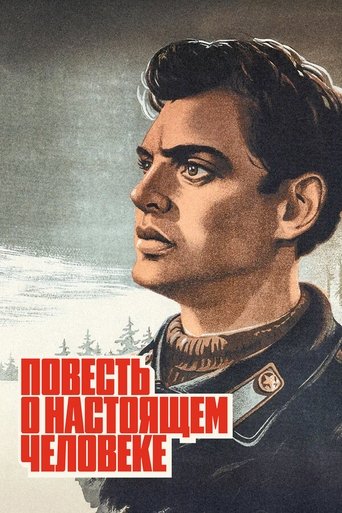
Titles linked here include Masquerade (1941), Story of a Real Man (1948).
When was Lyubov Sokolova born and when did she die?
Born August 1, 1921; died June 6, 2001.
What awards did Lyubov Sokolova win?
Sokolova received numerous prestigious awards including the title of People's Artist of the USSR (1990), the State Prize of the Russian Federation (1997), the Order of Friendship (1996), and the Order of the Red Banner of Labour (1971). She was also named Honored Artist of the RSFSR in 1958 and People's Artist of the RSFSR in 1969.
What was Lyubov Sokolova's acting style?
Sokolova was known for her naturalistic, understated acting style rooted in the Stanislavski system. She specialized in conveying complex emotions through subtle expressions and body language, creating authentic portrayals of ordinary Soviet women. Her performances were characterized by their psychological realism and lack of theatricality.
How long was Lyubov Sokolova's career?
Lyubov Sokolova's remarkable active years covered 57 years, from her debut in 1941 until her final film appearances in 1998. During this time, she appeared in over 100 films and worked consistently through different periods of Soviet and Russian history, adapting her craft to changing cinematic styles while maintaining her signature naturalistic approach.