
Lidiya Smirnova
Actor
Born: February 13, 1915 in Gusev, Tver Governorate, Russian Empire Died: July 25, 2007 Active: 1934-2003 Birth Name: Lidiya Nikolaevna Smirnova
Films
5 films
About Lidiya Smirnova
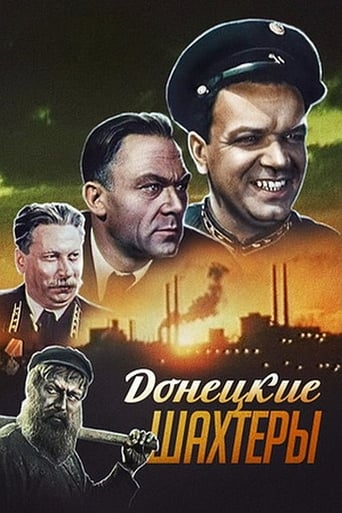
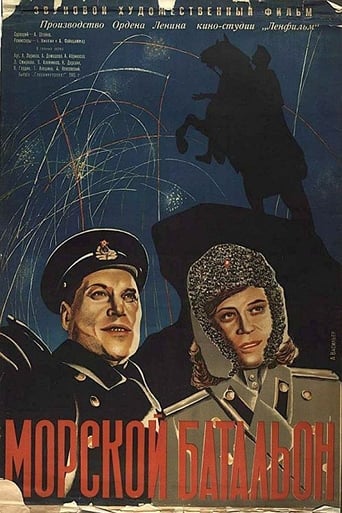
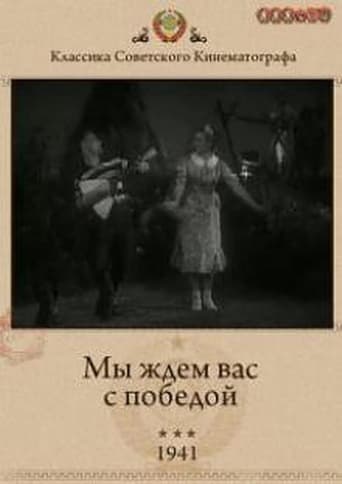
Lidiya Nikolaevna Smirnova was one of Soviet cinema's most beloved character actresses, whose over six decades from the 1930s to the early 2000s. Born in 1915 in the village of Gusev, she began her acting journey at the Vakhtangov Theatre School before transitioning to film, where she quickly established herself as a versatile performer capable of both comedic and dramatic roles. During World War II, she became particularly famous for her patriotic roles in films like 'Naval Battalion' (1944) and 'We Await Your Victorious Return' (1941), which resonated deeply with Soviet audiences during the wartime period. Her breakthrough came with her role in the comedy 'The Girl Without a Dowry' (1937), which showcased her natural comedic timing and expressive acting style that would become her trademark. Throughout the 1950s and 1960s, she continued to work prolifically, appearing in numerous films that became classics of Soviet cinema, including 'Carnival Night' (1956), where she played the memorable role of Serafima Andreevna. Smirnova's later career saw her transition to more mature, grandmotherly roles, though she never lost the spark and warmth that made her audiences love her. She received numerous honors for her contributions to Soviet and Russian cinema, including the title People's Artist of the USSR, and remained active in film and television well into her eighties, becoming a beloved figure across generations of Russian viewers.
The Craft
On Screen
Smirnova was known for her naturalistic and emotionally authentic acting style, characterized by her expressive face, distinctive voice, and remarkable ability to seamlessly transition between comedy and drama. Her performances were marked by a warmth and accessibility that made her characters feel like familiar neighbors or family members. She had a particular talent for creating memorable supporting roles that often stole scenes from the leads, using subtle gestures and timing to maximum effect. Her comedic timing was impeccable, yet she could convey deep emotion with remarkable restraint when required, making her equally effective in both light-hearted comedies and serious dramatic roles.
Milestones
- Graduated from Vakhtangov Theatre School (1937)
- Breakthrough role in 'The Girl Without a Dowry' (1937)
- Patriotic wartime films during 1941-1945
- Starred in comedy classic 'Carnival Night' (1956)
- Awarded People's Artist of the USSR (1981)
- Received Order 'For Merit to the Fatherland' (1995)
- Published autobiography 'My Life in Cinema' (1999)
- Last film appearance in 'The Old Songs about the Main Thing' (2003)
Best Known For
Iconic Roles
Must-See Films
Accolades
Won
- People's Artist of the RSFSR (1969)
- People's Artist of the USSR (1981)
- Order of the Red Banner of Labour (1975)
- Order 'For Merit to the Fatherland' 3rd class (1995)
- Order 'For Merit to the Fatherland' 2nd class (2000)
- State Prize of the Russian Federation (1996)
- Vasilyev Brothers State Prize of the RSFSR (1976)
Nominated
- Nika Award for Best Actress (1990)
- Multiple Soviet film festival awards throughout career
Special Recognition
- Star on Moscow's 'Avenue of Stars'
- Honored Citizen of Moscow
- Lifetime Achievement Award from Russian Film Academy
- Documentary films made about her life and career
Working Relationships
Worked Often With
Studios
Why They Matter
Impact on Culture
Lidiya Smirnova became a cultural icon in Soviet and Russian cinema, representing the ideal of the accessible, warm-hearted Soviet woman who could face any challenge with dignity and humor. Her wartime films helped boost morale during the Great Patriotic War, while her post-war comedies provided much-needed relief and entertainment to Soviet audiences. She was particularly beloved for her ability to portray ordinary women with extraordinary strength and resilience, making her characters relatable to millions of viewers. Her work in 'Carnival Night' created. Smirnova's active years covered the entire Soviet period and into the new Russia, making her a living bridge between different eras of Russian cinema and culture.
Lasting Legacy
Lidiya Smirnova's legacy is that of one of Soviet cinema's most versatile and beloved character actresses, whose work continues to be celebrated and studied by film scholars and enjoyed by audiences. She appeared in over 100 films throughout her career, creating a body of work that documents the evolution of Soviet society and cinema from the 1930s through the early 2000s. Her ability to embody the spirit of ordinary Soviet women while maintaining her unique artistic voice made her an invaluable cultural asset. Posthumously, she has been the subject of documentaries, retrospectives, and scholarly articles examining her contribution to Russian performing arts. Her performances remain standards against which character acting in Russian cinema is measured, and her influence can be seen in the work of subsequent generations of Russian actresses.
Who They Inspired
Smirnova influenced generations of Russian actresses through her naturalistic acting style and her ability to create fully realized characters in both leading and supporting roles. Her technique of combining comedy with pathos became a model for character actresses in Soviet cinema. Many contemporary Russian actresses have cited her as an influence, particularly in how she approached roles of ordinary women with extraordinary depth. Her work in ensemble casts demonstrated how supporting actors could elevate entire productions, influencing how Soviet filmmakers approached casting and character development. Her longevity in the industry also provided a model for how actors could continue working and evolving throughout different phases of their careers.
Off Screen
Lidiya Smirnova had a complex personal life marked by two significant marriages and one long-term partnership. She married fellow actor Yevgeny Samoilov in 1938, though the marriage was brief and ended in divorce. Her second marriage was to director Sergei Yutkevich, which also ended in divorce. Her most significant and lasting relationship was with actor and director Vladimir Etush, with whom she shared both personal and professional connections for many decades, though they never officially married. Despite the ups and downs in her romantic life, Smirnova maintained a warm relationship with her colleagues and was known for her generosity and kindness within the film community.
Education
Vakhtangov Theatre School, graduated 1937; also studied at Moscow Art Theatre school
Family
- Yevgeny Samoilov (1938-1940)
- Sergei Yutkevich (1940s-1950s)
Did You Know?
- Her birth year is sometimes listed as 1913, but official records confirm 1915
- She was discovered while working as a typist at a film studio
- During WWII, she performed for soldiers at the front lines
- She was known for her distinctive voice, which was often dubbed in early films
- Her role in 'Carnival Night' was originally written for another actress
- She published her autobiography at age 84
- She continued acting even after suffering a stroke in her late 70s
- She was a favorite actress of Soviet leader Nikita Khrushchev
- Her apartment in Moscow became a gathering place for actors and directors
- She learned English late in life to better understand international cinema
In Their Own Words
Acting is not about pretending to be someone else, but about finding the part of yourself that connects to the character.
In comedy, timing is everything, but in drama, silence can be even more powerful.
The greatest reward for an actor is when someone stops you on the street and calls you by your character's name.
I never played heroes or villains - I always played people, with all their contradictions and complexities.
Frequently Asked Questions
Who was Lidiya Smirnova?
Celebrated Soviet and Russian actress known for her versatile performances in over 100 films from the 1930s to the 2000s. She was particularly beloved for her comedic roles and her ability to portray ordinary Soviet women with warmth and authenticity.
What films is Lidiya Smirnova best known for?
Titles linked here include The Girl Without a Dowry (1937), We Await Your Victorious Return (1941).
When was Lidiya Smirnova born and when did she die?
Born February 13, 1915; died July 25, 2007.
What awards did Lidiya Smirnova win?
She received the highest honors in Soviet and Russian cinema, including People's Artist of the USSR (1981), the State Prize of the Russian Federation (1996), and multiple Orders of Merit to the Fatherland. She was also awarded the Vasilyev Brothers State Prize for her contributions to cinema.
What was Lidiya Smirnova's acting style?
Smirnova was known for her naturalistic and emotionally authentic acting style, characterized by expressive face work, impeccable comedic timing, and the ability to seamlessly transition between comedy and drama. She specialized in creating relatable, warm-hearted characters that audiences immediately connected with.