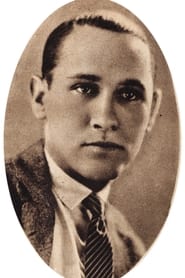
Jack White
Director
Born: September 2, 1892 in Budapest, Austria-Hungary Died: July 10, 1961 Active: 1919-1959 Birth Name: Jacob Weiss
Films
2 films
About Jack White
Prolific American comedy director, producer, writer, and actor: career bridged the silent era and the early sound period. Born Jacob Weiss in Budapest, he immigrated to the United States and became one of the key behind-the-scenes figures in early Hollywood comedy, especially at the Hal Roach studio and other short-subject units. White built his reputation directing fast-paced, gag-driven comedies that emphasized visual business, escalation, and efficient timing rather than elaborate plots, and he became especially associated with short films and series comedy. He worked with many of the era's best-known comic performers, including the Marx Brothers, Harry Langdon, and Laurel and Hardy, and his experience as both writer and performer helped him shape material to fit comic personalities. Although his name is less familiar to general audiences than the stars he directed, his work contributed substantially to the grammar of screen comedy during the transition from silent film to talkies. He was active for many years in film production overall, but the specific filmography point provided here reflects his directing work in 1936, the year he is associated with Disorder in the Court. White's career illustrates the importance of studio-era craftspeople who helped define popular American screen comedy even when they remained largely out of the spotlight themselves.
The Craft
Behind the Camera
Jack White's directing style was rooted in brisk, high-density comedy construction: rapid setup, escalating chaos, and tightly timed physical gags. He was especially effective in short subjects, where economy of storytelling mattered and each scene had to deliver maximum comic payoff. His films often relied on visual business, misunderstandings, and carefully paced escalation, with an emphasis on ensemble interaction rather than ornate cinematography. White's experience as a writer and performer gave him an instinct for how to build material around a comedian's persona, which is one reason he worked so successfully with multiple major comic acts of the era. In the sound period, he adapted to dialogue comedy while retaining a strong slapstick foundation. Disorder in the Court is a good example of the kind of tightly controlled, gag-heavy farce that fit his strengths.
Milestones
- Became one of the important comic short-subject directors in silent and early sound Hollywood
- Directed or contributed to early comedy work for major screen comics including Laurel and Hardy, Harry Langdon, and the Marx Brothers
- Helped shape the style of studio-era slapstick and gag comedy through efficient, fast-moving short films
- Worked extensively as a producer and writer as well as a director, making him a versatile comedy craftsman
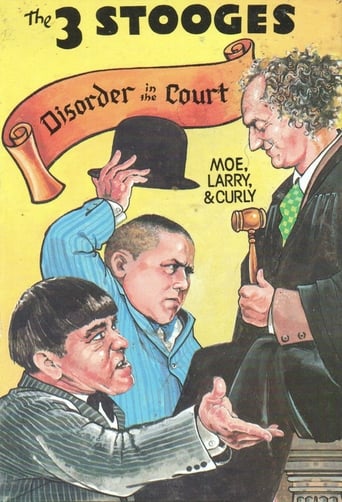
- Directed Disorder in the Court (1936), one of the Three Stooges' most famous short comedies
Best Known For
Must-See Films
Working Relationships
Worked Often With
Studios
Why They Matter
Impact on Culture
Jack White's cultural impact comes from his role in refining the short-comedy form at a moment when American film comedy was defining itself for mass audiences. He helped create the rhythm and structure that made silent slapstick and early sound farce work so effectively: clear premises, escalating complications, and payoffs built from visual precision. Even when audiences do not know his name, many know the films and comic routines associated with his work, especially Disorder in the Court, which remains. White's work also helped sustain the importance of shorts as a major entertainment form during the studio era, when theaters depended on compact comic programming alongside features.
Lasting Legacy
White's lasting legacy lies in the body of short comedies he helped create and shape, many of which continue to be studied and enjoyed as prime examples of classic screen slapstick. He is remembered by film historians as a behind-the-scenes architect of American movie comedy, someone whose sense of timing and structure supported some of the era's most enduring comic acts. His association with Disorder in the Court ensures him a permanent place in Three Stooges history, while his broader career connects silent-era comic craftsmanship with the early talkie short subject. In the larger history of Hollywood, he represents the many gifted studio-era filmmakers whose work was essential to the success of popular cinema even if their names were not as famous as the stars they directed.
Who They Inspired
White influenced later comedy directors through his mastery of compressed storytelling and his emphasis on escalation and payoff in short-form narrative. His work helped establish patterns of screen slapstick that continued to inform theatrical shorts, television comedy, and even modern sketch-based visual humor. Directors working with ensemble comedy acts could study his films as examples of how to let performers dominate while still maintaining firm directorial control over rhythm and structure. His influence is especially visible in the enduring popularity of the short-comedy format and in the continued appreciation of carefully engineered comic chaos.
Off Screen
Jack White was born Jacob Weiss in Budapest and later emigrated to the United States, where he built his career in the film industry. He worked in the collaborative, fast-moving environment of early Hollywood comedy production, but detailed public documentation of his private life is limited compared with the stars he directed. Historical records identify him as a figure primarily known for his professional output rather than for a highly publicized celebrity personal life. Because of the scarcity of widely circulated biographical material, specific information about his family relationships is not consistently documented in standard film-reference sources.
Education
No widely verified formal education record is commonly cited in standard film histories; his professional development appears to have been rooted in practical experience in the entertainment industry.
Did You Know?
- Jack White was born Jacob Weiss in Budapest, reflecting the large number of immigrant craftsmen who shaped early Hollywood.
- He worked not only as a director but also as a producer, writer, and actor, making him a genuinely multi-hyphenate studio-era figure.
- He is strongly associated with comedy shorts rather than feature films, a format that was crucial to classic moviegoing.
- Disorder in the Court (1936) is one of his best-known directing credits and one of the best-loved Three Stooges shorts.
- He directed material involving several major comedy personalities of the silent and early sound eras, showing remarkable adaptability across different comic styles.
- His career illustrates how many important filmmakers of the period remained largely unrecognized by the general public despite major contributions to film history.
- Like many early comedy craftsmen, he had to balance slapstick, dialogue, and studio scheduling demands as the industry moved from silent films to sound.
- Although his directing credit in the prompt is tied to 1936, his overall career extended well beyond that single year.
Frequently Asked Questions
Who was Jack White?
American comedy on YTB.my. He is best remembered as a studio-era craftsman who helped shape silent and early sound short comedies, especially through his work with major comic performers. His name is especially associated with tightly constructed slapstick and farce.
What films is Jack White best known for?
Titles linked here include Disorder in the Court (1936), The Big Noise (1936).
When was Jack White born and when did he die?
Born September 2, 1892; died July 10, 1961.
What awards did Jack White win?
There are no widely documented major awards, Academy Awards, or major honors commonly associated with Jack White in standard film-reference sources. His importance is historical and artistic rather than award-based. He is recognized primarily through the enduring popularity of the films he helped create.
What was Jack White's directing style?
His directing style emphasized fast pacing, visual gags, and escalating comic chaos, especially in short subjects. He was skilled at tailoring material to the strengths of comic performers and keeping scenes tightly organized so the humor landed efficiently. His work reflects the classic studio-era approach to slapstick and farce.
Why is Jack White important in film history?
Jack White is important because he helped define the mechanics of American screen comedy during the silent era and early talkies. He contributed to films that remain part of the classic comedy canon, and his work demonstrates how much the success of early film comedy depended on expert directors behind the scenes. He represents the unsung craftsmen who made popular cinema work at a high level.