
Osa Massen
Actor
Born: January 18, 1919 in Copenhagen, Denmark Died: April 2, 2006 Active: 1940-1953 Birth Name: Aase Madsen Iversen
Films
1 film
About Osa Massen
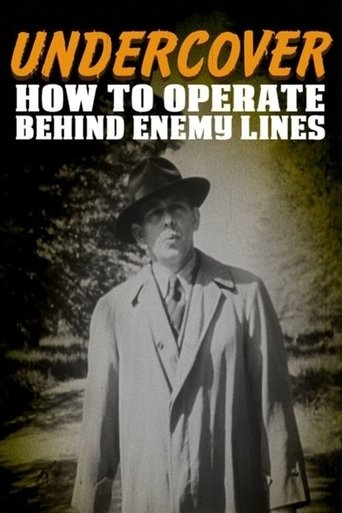
Danish-born actress who built a modest but distinctive screen career in Hollywood and in European-made productions during the 1940s and 1950s. She was born Aase Madsen Iversen in Copenhagen, and after training in journalism and working in the Danish film world, she moved into acting under a shortened, more international-sounding stage name. Massen is best remembered as a striking blonde supporting player in wartime thrillers, melodramas, and adventure pictures, where she often portrayed sophisticated, mysterious, or emotionally conflicted women. One of her best-known American appearances was in the wartime instructional feature Undercover: How to Operate Behind Enemy Lines (1943), which helped introduce her to U.S. Audiences. She also appeared in films such as Hitler's Children, Caged Fury, and A Song to Remember, moving between Hollywood and European cinema as opportunities allowed. Although she never became a top-billed star, her screen presence, accent, and cosmopolitan image made her a familiar face in genre films of the era. Later in life she largely withdrew from acting, leaving behind a compact but memorable filmography that reflects the transatlantic character of mid-century cinema.
The Craft
On Screen
Massen's acting style was polished, restrained, and more atmospheric than flamboyant. She often played elegant, emotionally guarded, or slightly mysterious women, using poise, expression, and vocal control rather than broad theatricality. Her screen persona benefited from her European accent and cosmopolitan look, which made her effective in wartime dramas, thrillers, and films requiring Continental sophistication. She tended to project intelligence and tension, bringing a cool intensity to supporting roles.
Milestones
- Began her screen career in Denmark before moving into international film work under the name Osa Massen
- Appeared in wartime Hollywood productions that capitalized on her European background and polished screen image
- Featured in Undercover: How to Operate Behind Enemy Lines (1943), one of her most visible American screen credits
- Played memorable supporting roles in propaganda, thriller, and melodrama pictures during the 1940s
- Worked in both Hollywood and European cinema, reflecting the movement of Continental performers into English-language films during the war years
- Maintained a recognizable presence in mid-century genre films, especially as a glamorous or enigmatic supporting actress
Best Known For
Iconic Roles
Must-See Films
Working Relationships
Worked Often With
Studios
Why They Matter
Impact on Culture
Osa Massen represents a type of transnational performer who helped shape wartime and postwar cinema: the imported European actress whose accent, bearing, and beauty added authenticity to stories set amid espionage, resistance, and international intrigue. While she was never a major star, she contributed to the atmosphere and visual language of 1940s Hollywood, especially in films that required an unmistakably Continental presence. Her career also reflects how Scandinavian performers found opportunities in American and European productions during the war years, when casting often valued perceived national identity and worldly sophistication. For classic cinema fans, she stands as a recognizable supporting figure in an era when secondary roles could strongly define a film's mood.
Lasting Legacy
Massen's lasting legacy lies in her contribution to the textured ensemble acting of 1940s cinema and in her representation of the European actress in Hollywood's wartime imagination. She remains of interest to film historians studying foreign-born performers in American studios, as well as to viewers who appreciate the nuanced supporting performances that give classic films their distinctive tone. Though not a household name, her work endures through the films themselves, especially those dealing with war, suspense, and romance. Her career is a reminder that classic cinema history is built not only on stars but also on the many capable actors who created the atmosphere and credibility of the studio-era screen.
Who They Inspired
Massen influenced cinema less through direct mentorship and more through the example of her screen persona. She helped reinforce the Hollywood type of the elegant European woman: intelligent, refined, emotionally complex, and often somewhat elusive. Actors who followed in similar transatlantic supporting roles benefited from the precedent set by performers like her, whose accents and mannerisms became assets in genre filmmaking. Her presence also contributed to a broader acceptance of non-American performers in American productions as authentic carriers of international style.
Off Screen
Osa Massen was born Aase Madsen Iversen in Copenhagen and later adopted a stage name that was easier to market internationally. Publicly available biographical information about her private life is limited, and she is generally remembered more for her screen work than for highly publicized personal relationships. She did not become a major tabloid figure, and surviving accounts emphasize her professional movement between Denmark, Hollywood, and Europe. Because she was active during wartime and in the years immediately after, much of the documentation of her career is film-based rather than centered on family life.
Education
She is reported to have had training and professional background connected to journalism before turning toward acting; specific formal acting-school details are not well documented in widely available sources.
Did You Know?
- She was born Aase Madsen Iversen and later adopted the more internationally marketable name Osa Massen.
- Massen was Danish by birth and became one of the many European actresses who found work in Hollywood during the 1940s.
- Her filmography includes wartime and anti-Nazi titles that took advantage of her Continental background.
- She was often cast in roles requiring glamour, mystery, or emotional restraint rather than overt comedy.
- Despite a recognizable screen career, she never became an A-list star and remained primarily a strong supporting actress.
- She worked in both American and European productions, giving her career a transatlantic character.
- Her name is sometimes remembered by classic film enthusiasts more than by the general public, because she appears in several well-known films in smaller but notable roles.
- She is associated with the wartime Hollywood practice of casting European actors in stories about espionage, resistance, and international conflict.
Frequently Asked Questions
Who was Osa Massen?
Danish-born actress active mainly in the 1940s and early 1950s. She appeared in Hollywood and European films, often playing sophisticated or mysterious supporting roles in wartime dramas, thrillers, and melodramas.
What films is Osa Massen best known for?
Titles linked here include Undercover: How to Operate Behind Enemy Lines (1943), Hitler's Children (1943).
When was Osa Massen born and when did she die?
Born January 18, 1919; died April 2, 2006.
What awards did Osa Massen win?
There are no major awards or Oscar nominations prominently documented for her career in the standard classic-cinema references. She is better remembered for her film appearances and her distinctive screen presence than for formal honors.
What was Osa Massen's acting style?
Massen's style was restrained, polished, and elegant, with an emphasis on mood and presence rather than broad dramatics. She often conveyed intelligence, tension, and emotional distance, which made her effective in wartime and suspense-oriented films.
Why is Osa Massen important in film history?
She is a good example of the European performers who enriched Hollywood during the 1940s and gave wartime films a convincing international texture. Even in supporting parts, she helped define the atmosphere of the era's thrillers and dramas.