
Elliott Nugent
Actor & Director
Born: September 20, 1899 in Columbus, Ohio, USA Died: August 9, 1958 Active: 1929-1947
Films
5 films


About Elliott Nugent
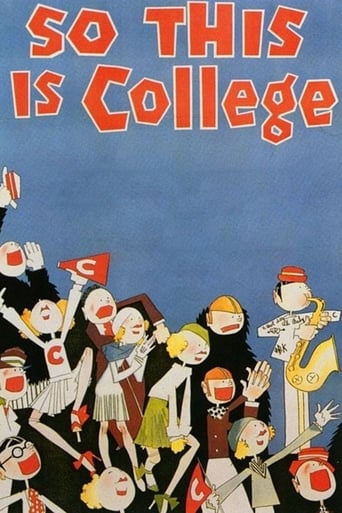
Prominent figure in Hollywood's Golden Age, successfully transitioning from Broadway actor to accomplished film director. Born into a theatrical family, he began his career on the stage before moving to Hollywood in the late 1920s. As an actor, he appeared in early talkies including 'So This Is College' (1929), showcasing his natural comedic timing and sophisticated screen presence. His directing career flourished from the 1930s through the late 1940s, where he became particularly renowned for his work with comedy giants like Bob Hope, Harold Lloyd, and Danny Kaye. Nugent demonstrated remarkable versatility, directing everything from screwball comedies to dramatic adaptations of stage plays. He also contributed as a writer, penning several plays and screenplays throughout his career. After a successful two-decade run in Hollywood, Nugent retired from filmmaking in the late 1940s, leaving behind a legacy of entertaining and well-crafted films that captured the essence of Golden Age comedy.
The Craft
On Screen
As an actor, Nugent employed a naturalistic delivery style that was well-suited for the transition from silent films to talkies. His performances were characterized by understated comedic timing and a sophisticated demeanor that reflected his theatrical background. He often played supporting roles with a dry wit and charm, particularly excelling in light comedy and romantic scenarios. His stage training gave him excellent diction and presence, valuable assets during the early sound era.
Behind the Camera
Nugent's directing style emphasized clear storytelling and comedic pacing, particularly adept at handling ensemble casts and extracting strong performances from his actors. He had a keen eye for visual gags while maintaining focus on character-driven humor. His approach was collaborative, allowing comedians like Bob Hope room for improvisation while maintaining tight narrative control. Nugent was skilled at balancing slapstick elements with more sophisticated verbal comedy, creating films that appealed to broad audiences. His theatrical background influenced his blocking and use of space within the frame.
Milestones
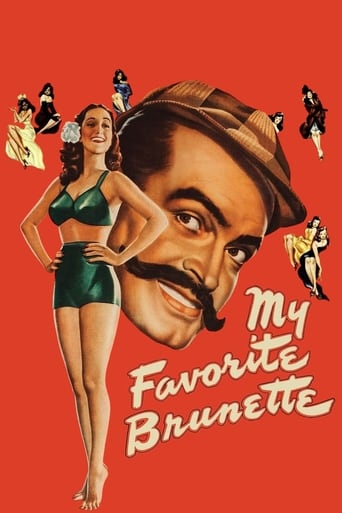
- Directed Bob Hope in several comedies including 'My Favorite Brunette' (1947)
- Successfully transitioned from Broadway actor to Hollywood director
- Wrote and directed 'The Male Animal' (1942) starring Henry Fonda and Olivia de Havilland
- Acted in early talkies before focusing primarily on directing
- Collaborated with comedy legend Harold Lloyd on multiple films
- Directed Danny Kaye in 'Up in Arms' (1944)
- Adapted numerous theatrical works for the screen
- Worked for major studios including Paramount and Universal
Best Known For
Iconic Roles
Must-See Films
Accolades
Special Recognition
- Contributed to over 50 films during Hollywood's Golden Age
- Recognized for successful stage-to-screen adaptations
Working Relationships
Worked Often With
Studios
Why They Matter
Impact on Culture
Elliott Nugent played a significant role in shaping Golden Age Hollywood comedy, particularly through his work with some of the era's biggest comedy stars. His films helped define the screwball comedy genre and contributed to the development of the romantic comedy formula that would influence filmmakers for decades. Nugent's ability to successfully adapt theatrical works for the screen demonstrated the growing sophistication of Hollywood storytelling during the 1930s and 1940s. His collaborations with Bob Hope helped establish Hope's screen persona and contributed to the comedian's massive popularity. Nugent's films reflected and reinforced American cultural values of their time while providing escapist entertainment during difficult periods including the Great Depression and World War II.
Lasting Legacy
Elliott Nugent's legacy lies in his substantial contribution to Golden Age Hollywood comedy and his successful dual career as both actor and director. His films continue to be studied as examples of classic American comedy, with 'My Favorite Brunette' remaining a beloved Bob Hope vehicle. Nugent demonstrated that theatrical training could translate effectively to film direction, paving the way for other stage directors to make the transition to Hollywood. His work with comedy legends helped establish career-defining performances that are still celebrated today. While perhaps not as widely remembered as some of his contemporaries, Nugent's filmography represents an important body of work that captures the essence of Hollywood's golden era of comedy.
Who They Inspired
Nugent influenced subsequent generations of comedy directors through his emphasis on character-driven humor and collaborative directing style. His work with improvisation, particularly with Bob Hope, helped establish techniques that would become standard in comedy filmmaking. Many of his narrative structures and comedic setups can be seen echoed in later romantic comedies and screwball revivals. His ability to balance visual and verbal comedy provided a template for directors working with multi-talented comedy performers. Nugent's successful adaptation of stage plays for the screen demonstrated techniques that continue to be used by filmmakers bridging theatrical and cinematic storytelling.
Off Screen
Elliott Nugent came from a theatrical family, with his father J.C. Nugent being a well-known actor and playwright. He married actress Norma Lee in 1925, and they remained together until his death in 1958. The couple had two children, including daughter Susan Nugent, who also pursued a career in entertainment. Nugent was known for his professionalism and collaborative spirit on set, maintaining good relationships with actors and studio executives throughout his career. Despite his success in Hollywood, he maintained connections to his theatrical roots and occasionally returned to stage work.
Education
Attended Ohio State University, studied drama and theater arts
Family
- Norma Lee (1925-1958)
Did You Know?
- Came from a theatrical family - his father J.C. Nugent — famous Broadway actor and playwright
- Began his career as a playwright before transitioning to acting and directing
- Wrote the play 'The Male Animal' which he later adapted into a successful film
- Served in the Army Air Corps during World War II while maintaining his film career
- Was one of the few directors who successfully worked with both Harold Lloyd and Bob Hope
- His daughter Susan Nugent followed in his footsteps as an actress
- Often collaborated with his brother-in-law, actor Charles Ruggles
- Made cameo appearances in several of the films he directed
- Was known for completing his films on time and under budget
- Helped launch the film careers of several Broadway actors through his casting choices
In Their Own Words
Comedy is serious business - you have to be absolutely serious about being funny
The best comedy comes from character, not from gags
Directing is like conducting an orchestra - every instrument must play its part perfectly
In Hollywood, you're only as good as your last picture, but in theater, you're only as good as your last performance
Frequently Asked Questions
Who was Elliott Nugent?
American actor and on YTB.my. He began as a Broadway performer before transitioning to films in the late 1920s, eventually directing over 30 films between 1932 and 1947.
What films is Elliott Nugent best known for?
Titles linked here include My Favorite Brunette (1947), The Male Animal (1942).
When was Elliott Nugent born and when did he die?
Born September 20, 1899; died August 9, 1958.
What awards did Elliott Nugent win?
While Elliott Nugent did not receive major awards like Academy Awards, he was recognized for his substantial contributions to Hollywood comedy and his successful adaptations of theatrical works to film. His films remain classics of the comedy genre.
What was Elliott Nugent's directing style?
Nugent's directing style emphasized clear storytelling, comedic pacing, and strong character development. He excelled at balancing visual gags with verbal comedy and was known for his collaborative approach, allowing comedians room for improvisation while maintaining tight narrative control.
Did Elliott Nugent come from a show business family?
Yes, Elliott Nugent came from a prominent theatrical family. His father, J.C. Nugent, was a well-known Broadway actor and playwright, which influenced Elliott's career path and provided him with early exposure to the entertainment industry.
How did Elliott Nugent transition from acting to directing?
Nugent began his career as an actor in both theater and early films, but gradually shifted to directing in the early 1930s. His theatrical background and writing experience helped him successfully make the transition, and he found greater success behind the camera, eventually focusing exclusively on directing.