
Films
6 films
About Jane Winton
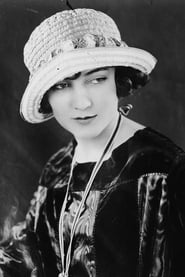
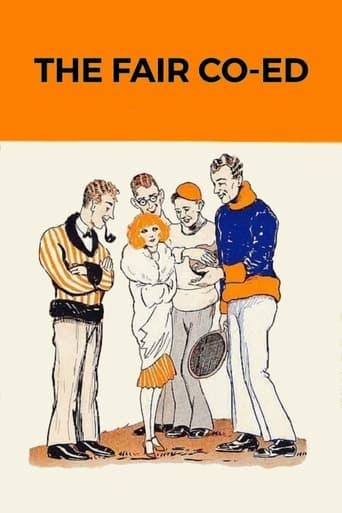
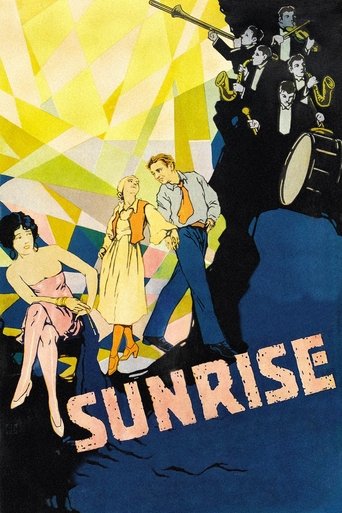
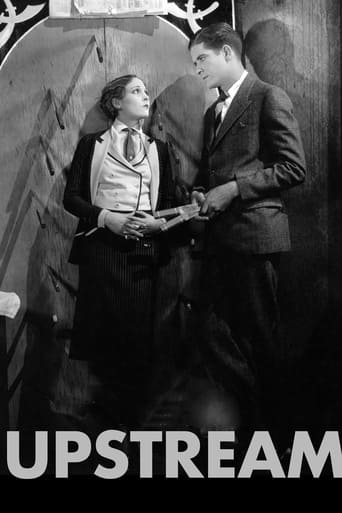
American actress and model best remembered for her work in silent films during the late 1920s and for appearing in several notable productions associated with major filmmakers of the period. She emerged in Hollywood as part of the fashionable, photogenic screen personalities of the silent era, a type often cast for glamour, sophistication, and light romantic roles. Her filmography includes appearances in such films as Don Juan (1926), The Fair Co-Ed (1927), Sunrise: A Song of Two Humans (1927), Upstream (1927), and The Patsy (1928), placing her in the orbit of major silent-era directors and stars. Although she was not among the biggest headliners of the period, her screen work positioned her within a highly competitive studio system at the end of the silent era, when many performers struggled to transition into sound. Her career appears to have been relatively brief on screen, with activity concentrated between the mid-1920s and 1930. Like many actresses of her generation, she is remembered today primarily through surviving film credits, publicity stills, and cast lists rather than through a long list of star vehicles. Because detailed biographical records are limited in readily available classic-cinema references, some aspects of her personal life and later career remain less well documented than those of the era's marquee stars.
The Craft
On Screen
Her known screen presence aligns with the polished, expressive style common to late silent-era supporting actresses: visually striking, elegant, and suited to roles that relied on expression, gesture, and photogenic appeal. In the absence of extensive surviving critical commentary focused specifically on her performances, she is best described as a classic silent-screen type whose work likely emphasized poise, charm, and readable emotional expression rather than broad theatricality. Her casting suggests she was valued for her looks and screen compatibility in ensemble settings. As with many actresses from the transitional silent-to-sound period, surviving evidence points more to her typecasting and film context than to a widely documented signature acting method.
Milestones
- Appeared in Don Juan (1926), one of the great prestige silent films of the era
- Worked in Sunrise: A Song of Two Humans (1927), a landmark film directed by F. W. Murnau
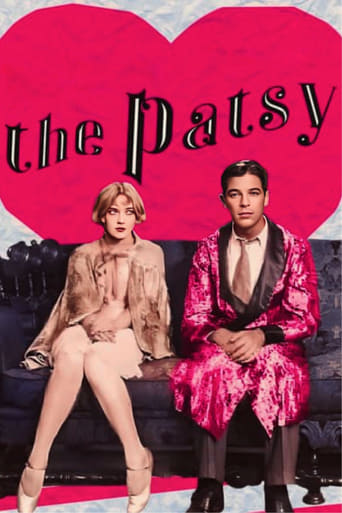
- Appeared in The Patsy (1928), a high-profile silent comedy vehicle
- Built a screen identity as a glamorous supporting player during the final years of silent cinema
- Participated in productions that linked her to major stars and prominent studios of the late 1920s
Best Known For
Iconic Roles
Must-See Films
Working Relationships
Worked Often With
Studios
Why They Matter
Impact on Culture
Jane Winton represents the many working actresses who helped define the visual glamour and social texture of late silent cinema even when they were not marquee stars. Her appearances in prestigious and widely studied films such as Sunrise and Don Juan connect her to two of the most important achievements of the silent era, both of which continue to shape scholarship and public memory of early Hollywood. Performers like Winton filled essential supporting functions in the studio system, lending elegance, narrative clarity, and emotional contrast to productions built around larger star attractions. While she did not become a household name, her surviving credits place her among the many contributors whose presence helped make the silent era's films feel populated, stylish, and dramatically credible.
Lasting Legacy
Her legacy lies primarily in her participation in historically significant silent films and in the broader recognition of the working players who supported the star system. Today, Jane Winton is remembered by film historians and database researchers as part of the dense network of actors who moved through Hollywood during the late 1920s, a transitional moment when the industry was shifting from silent storytelling to sound cinema. Because her name appears in important titles, she remains of interest to viewers exploring cast members beyond the leads, especially those tracing the careers of performers associated with classic-era prestige pictures. Her legacy is therefore one of historical presence rather than celebrity: she is a documented part of the silent-era film record and an example of the many artists whose contributions survive in credits, stills, and archival film histories.
Who They Inspired
Jane Winton’s influence is indirect but meaningful in the historical sense. She contributed to the ensemble fabric of films that influenced later cinematic language, especially in the case of Sunrise, whose visual poetry and emotional storytelling became central reference points for film historians and filmmakers. Her career also illustrates the experience of many actresses whose visibility depended on studio casting practices, beauty standards, and the changing demands of the silent-to-sound transition. In that respect, she stands as part of the broader lineage of silent-era screen performers who helped establish conventions of cinematic femininity, supporting performance, and visual storytelling.
Off Screen
Publicly accessible biographical information on Jane Winton is limited compared with the major stars of her era. Available classic-cinema references primarily preserve her career credits rather than extensive details about her family background, marriages, or later personal life. No reliably verifiable spouse, children, or post-film career details can be stated confidently from the information commonly preserved in film-reference sources. As a result, her personal life remains comparatively obscure, which is common for many supporting performers from the silent era whose fame was localized to the studio system and period publicity.
Did You Know?
- She appeared in Don Juan (1926), one of the first major feature films released with a synchronized musical score and effects system.
- She was part of the cast of Sunrise: A Song of Two Humans (1927), often cited as one of the greatest films ever made.
- Her known screen career spans the late silent era, making her part of a generation whose careers were shaped by the coming of sound.
- Like many actresses of the time, she appears to have worked primarily in supporting roles rather than as a top-billed star.
- Her surviving filmography places her in several notable productions across 1926-1930, suggesting steady but not heavily publicized screen work.
- She is an example of a performer whose historical importance is preserved more through film credits than through extensive biographical interviews or memoirs.
- Her work connects her to some of the most famous male and female stars of the silent period, including John Barrymore-related productions.
Frequently Asked Questions
Who was Jane Winton?
American actress and model active mainly in the late silent-film era. She is best remembered for supporting roles in films such as Don Juan (1926), Sunrise: A Song of Two Humans (1927), and The Patsy (1928).
What films is Jane Winton best known for?
Titles linked here include Don Juan (1926), Sunrise: A Song of Two Humans (1927).
When was Jane Winton born and when did she die?
Her birth and death dates are not reliably available in the classic-cinema references used here. Because of that, they should be treated as unknown unless confirmed by a specialized archival source.
What awards did Jane Winton win?
No major awards or nominations are currently documented for Jane Winton in the available classic-film record. This is not unusual for supporting players of the silent era, whose careers were often recorded mainly through film credits rather than awards.
What was Jane Winton's acting style?
Her acting style appears to have been in line with the polished, expressive approach common to late silent-era supporting actresses. She likely relied on visual poise, clear gesture, and screen presence rather than dialogue-driven performance, which was especially important in the films she made before sound became dominant.
What is Jane Winton's legacy in film history?
Her legacy lies in her participation in landmark silent-era films and in the historical record of supporting performers who helped shape Hollywood's golden years. She is remembered as part of the cast community that gave prestige silent productions their richness and texture.