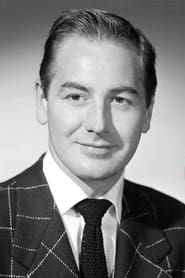
Don Taylor
Actor
Born: December 13, 1920 in Freeport, Pennsylvania, USA Died: December 29, 1998 Active: 1943-1987 Birth Name: Donald Ricardo Taylor
Films
2 films

About Don Taylor
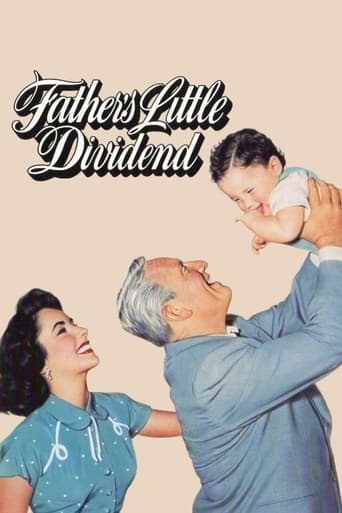
American actor and director who enjoyed a prolific career spanning three decades in Hollywood. Born in 1920, he began his acting career in the early 1940s after serving in World War II, quickly establishing himself as a reliable character actor and leading man. Taylor gained significant recognition for his role in the Academy Award-winning film 'Stalag 17' (1953) and appeared in numerous notable films throughout the 1950s, including 'The Naked City' (1948) and 'Father's Little Dividend' (1951). In the 1960s, he successfully transitioned to directing, helming several popular films including 'Escape from the Planet of the Apes' (1971) and 'The Great Escape' (1972 television version). His directing career extended into television, where he worked on popular series like 'The Fugitive' and 'Ironside'. Taylor maintained a steady presence in both mediums until his retirement in the 1980s, leaving behind a diverse body of work that showcased his versatility both in front of and behind the camera.
The Craft
On Screen
Taylor was known for his naturalistic, everyman acting style that made him relatable to audiences. He often played the dependable, earnest character who could be both a romantic lead and a solid supporting player. His performances were marked by a subtle authenticity and understated emotional depth, avoiding theatrical mannerisms in favor of realistic portrayals that grounded his characters in everyday reality.
Milestones
- Breakthrough role in 'Destination Tokyo' (1943)
- Starred in 'The Naked City' (1948)
- Appeared in 'Father's Little Dividend' (1951)
- Memorable performance in 'Stalag 17' (1953)
- Transitioned to directing in the 1960s
- Directed 'Escape from the Planet of the Apes' (1971)
- Directed television episodes for major series
Best Known For
Iconic Roles
Must-See Films
Accolades
Won
- Academy Award for Best Picture (as cast member of 'Stalag 17', 1953)
- Golden Globe nomination for Best Actor (1954)
Nominated
- Golden Globe Award for Most Promising Newcomer (1949)
- Directors Guild of America Award nomination (1972)
Special Recognition
- Hollywood Walk of Fame star (1984)
- Veterans Committee Recognition for WWII Service
Working Relationships
Worked Often With
Studios
Why They Matter
Impact on Culture
Don Taylor represented the transition from the studio system era to the New Hollywood of the 1970s, successfully adapting his career as the industry evolved. His work in both acting and directing demonstrated the multi-talented nature of many Hollywood professionals of his generation. His role in 'Stalag 17' contributed to.
Lasting Legacy
Taylor's lasting legacy lies in his versatility and longevity in the entertainment industry. He successfully navigated the challenging transition from actor to director, a path few accomplish with equal success. His films continue to be appreciated by classic cinema enthusiasts, particularly his performances in film noir and war genres. His directorial work, especially in science fiction, remains influential in genre filmmaking.
Who They Inspired
Taylor influenced a generation of character actors who followed his example of naturalistic, grounded performances. As a director, he mentored many television actors in the 1970s, helping shape the golden age of television drama. His career path inspired other actors to explore directing as a natural evolution of their artistic development in the film industry.
Off Screen
Don Taylor was married twice during his lifetime. His first marriage was to actress Phyllis Avery from 1944 to 1955, with whom he had two children. He later married actress Hazel Court in 1957, and they remained together until her death in 2008. Taylor was known for his professionalism on set and maintained a relatively private personal life away from the Hollywood spotlight. He served as a pilot in the Army Air Forces during World War II, an experience that influenced several of his later film roles.
Education
Pennsylvania State University (attended before military service)
Family
- Phyllis Avery (1944-1955)
- Hazel Court (1957-1998)
Did You Know?
- Served as a B-24 bomber pilot during World War II
- Was originally cast in 'From Here to Eternity' but was replaced by Montgomery Clift
- Made his directorial debut with 'The Glass Bottom Boat' (1966)
- Was one of the few actors to successfully transition to directing major studio films
- Appeared in over 40 films as an actor before becoming a full-time director
- His wife Hazel Court was a famous horror film actress
- Directed episodes of 'The Fugitive', 'Ironside', and 'The Wild Wild West'
- Was a close friend of William Holden, his co-star in 'Stalag 17'
- His final acting role was in the miniseries 'The Winds of War' (1983)
- Received a star on the Hollywood Walk of Fame in 1984
In Their Own Words
Acting is about truth, and directing is about helping others find that truth
The best directors are those who were once actors, because they understand the process from both sides
Hollywood has changed, but good storytelling never goes out of style
Frequently Asked Questions
Who was Don Taylor?
American actor and on YTB.my. He appeared in classic films like 'Stalag 17' and 'Father's Little Dividend' before transitioning to directing, where he helmed projects including 'Escape from the Planet of the Apes'.
What films is Don Taylor best known for?
Titles linked here include Father's Little Dividend (1951), Stalag 17 (1953).
When was Don Taylor born and when did he die?
Born December 13, 1920; died December 29, 1998.
What awards did Don Taylor win?
While Taylor didn't receive major individual acting awards, he was part of the cast of 'Stalag 17' which won the Academy Award for Best Picture in 1953. He received a Golden Globe nomination for Most Promising Newcomer in 1949 and later earned a Directors Guild of America Award nomination for his directing work.
What was Don Taylor's acting style?
Taylor was known for his naturalistic, everyman acting style that emphasized authenticity and emotional truth. He avoided theatrical mannerisms in favor of realistic portrayals that made his characters relatable and grounded in everyday reality.
How did Don Taylor transition from acting to directing?
Taylor gradually moved into directing in the 1960s, making his directorial debut with 'The Glass Bottom Boat' in 1966. His experience as an actor helped him understand the filmmaking process from multiple perspectives, contributing to his success behind the camera.
What was Don Taylor's military service?
Taylor served as a B-24 bomber pilot in the Army Air Forces during World War II. This military experience influenced several of his later film roles, particularly in war movies like 'Stalag 17' and 'Destination Tokyo'.