

Charles Swickard
Actor & Director
Born: March 21, 1861 in Koblenz, Germany Died: February 19, 1929 Active: 1912-1923 Birth Name: Carl Swickard
Films
3 films

About Charles Swickard
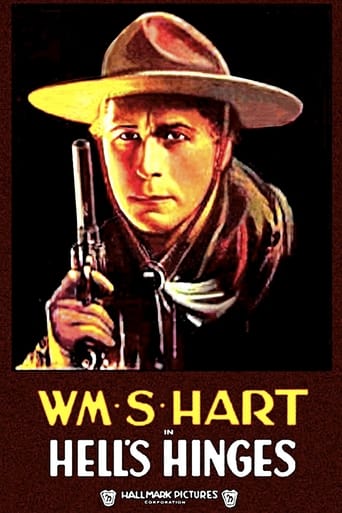
Charles Swickard (born Carl Swickard) was a German-American actor and director who made significant contributions to early American cinema during the silent era. Born in Germany, he immigrated to the United States and began his film career as an actor around 1912, initially working in minor roles before gaining prominence. His breakthrough came with his performance in 'The Bargain' (1914), a landmark Western starring William S. Hart. Swickard transitioned to directing around the same period, working under the tutelage of filmmaker Thomas H. Ince at his studio. His most acclaimed directorial achievement was 'Hell's Hinges' (1916), a morally complex Western that is now the masterpieces of silent cinema. Throughout his career, he continued to act while directing, appearing in numerous films and directing over 60 pictures between 1914 and 1923. Swickard's work was characterized by its dramatic intensity and technical sophistication, particularly in the Western genre where he helped establish many conventions that would define the genre for decades.
The Craft
On Screen
Swickard's acting style was typical of the transitional period between stage acting and naturalistic film performance. As seen in 'The Bargain,' he employed broad gestures and exaggerated expressions common in early cinema, yet showed remarkable screen presence and emotional range. His performances were characterized by a commanding physical presence and the ability to convey complex moral dilemmas through subtle facial expressions and body language.
Behind the Camera
As a director, Swickard was known for his sophisticated use of camera movement and dramatic lighting, particularly in his Westerns. He employed innovative techniques such as dynamic cross-cutting and atmospheric location shooting to enhance narrative tension. His direction of 'Hell's Hinges' demonstrated his ability to blend action sequences with profound moral and spiritual themes, creating a new depth in the Western genre that influenced countless filmmakers.
Milestones
- Acting breakthrough in 'The Bargain' (1914)
- Directorial debut with short films in 1914
- Directed the classic Western 'Hell's Hinges' (1916)
- Directed over 60 films during his career
- Frequent collaborator with William S. Hart
- Worked with Thomas H. Ince's studio system
- Transitioned from leading actor to character roles in later years
Best Known For
Iconic Roles
Must-See Films
Accolades
Special Recognition
- Recognized as a director in the Western genre
- Hell's Hinges selected for preservation in the National Film Registry (1994)
- Honored in film retrospectives as an important early cinema figure
Working Relationships
Worked Often With
Studios
Why They Matter
Impact on Culture
Charles Swickard played a crucial role in the development of the American Western genre during its formative years. His work on 'Hell's Hinges' helped establish the moral complexity and psychological depth that would become hallmarks of sophisticated Westerns. The film's exploration of redemption, violence, and spiritual transformation elevated the Western beyond simple entertainment into a vehicle for serious artistic expression. Swickard's technical innovations in location shooting and action choreography influenced an entire generation of Western directors, including John Ford and Howard Hawks.
Lasting Legacy
Swickard's legacy endures primarily through his masterpiece 'Hell's Hinges,' which continues to be studied by film scholars as a landmark of silent cinema. His dual career as both actor and director exemplifies the versatility required during the early studio system, where individuals often wore multiple hats. The preservation of his films has allowed modern audiences to appreciate his contributions to cinematic language, particularly his use of landscape as character and his sophisticated approach to moral storytelling. His work represents an important bridge between the primitive cinema of the early 1910s and the mature classical Hollywood style that would emerge in the 1920s.
Who They Inspired
Swickard influenced subsequent generations of filmmakers through his innovative approach to Western storytelling. His collaboration with William S. Hart helped establish the template for the conflicted, morally ambiguous Western hero that would later be perfected by actors like Gary Cooper and Clint Eastwood. Directors such as John Ford acknowledged the debt owed to early pioneers like Swickard in establishing the visual and narrative vocabulary of the Western. His work demonstrated the commercial and artistic potential of the genre, encouraging studios to invest more heavily in Western productions throughout the 1920s and beyond.
Off Screen
Charles Swickard emigrated from Germany to the United States in the late 19th century, initially working in various trades before entering the film industry. He married actress Josephine Swickard, who also appeared in several of his films. The couple had one child together. Swickard was known as a hardworking and reliable professional in the early Hollywood community, respected for his versatility both in front of and behind the camera. He spent his later years in Los Angeles, remaining connected to the film industry until his death in 1929 at the age of 67.
Education
Formal education details not widely documented in historical records
Family
- Josephine Swickard (years married)
Did You Know?
- Born Carl Swickard in Germany before changing his name to Charles for American audiences
- Hell
- s Hinges was selected for the National Film Registry in 1994 for its cultural significance',
- He directed over 60 films in less than a decade, an incredibly prolific output
- Often worked as both actor and director on the same production
- Was part of Thomas H. Ince's prestigious directing unit at New York Motion Picture Company
- His brother, Victor Swickard, also worked in the film industry as an actor
- Many of his films are now considered lost, a common fate for silent-era productions
- Helped establish the career of William S. Hart, one of the first great Western stars
- Was known for his ability to complete films quickly and under budget
- His directing style was influenced by his background in theater, emphasizing dramatic staging
In Their Own Words
On directing Westerns: 'The desert is not just a backdrop, but a character in our stories, testing the souls of men'
On working with William S. Hart: 'Bill brings a truth to the screen that few actors can match - his eyes tell the whole story'
On early filmmaking: 'We are inventing a new language of pictures, and every day we discover new ways to speak without words'
Frequently Asked Questions
Who was Charles Swickard?
German-American actor and on YTB.my. He was a prolific filmmaker who directed over 60 movies and played a significant role in developing the Western genre.
What films is Charles Swickard best known for?
Titles linked here include Hell's Hinges (1916), The Bargain (1914).
When was Charles Swickard born and when did he die?
Born March 21, 1861; died February 19, 1929.
What awards did Charles Swickard win?
While Swickard didn't receive formal awards during his lifetime, his film 'Hell's Hinges' was selected for preservation in the National Film Registry in 1994, recognizing its cultural, historical, and aesthetic significance. He is honored in film history as an important early cinema pioneer.
What was Charles Swickard's directing style?
Swickard's directing style was characterized by sophisticated use of camera movement, dramatic lighting, and innovative cross-cutting techniques. He excelled at blending action sequences with profound moral themes, particularly in his Westerns where he used landscapes as integral elements of the storytelling.
Did Charles Swickard work with any famous actors?
Yes, Swickard had a close working relationship with William S. Hart, one of the first great Western stars. They collaborated on multiple films including 'The Bargain' (1914) and 'Hell's Hinges' (1916), with Swickard often directing Hart's most acclaimed performances.
How many films did Charles Swickard direct?
Charles Swickard was incredibly prolific, directing over 60 films between 1914 and 1923, working primarily for Thomas H. Ince's studio system. Many of these films were Westerns that helped establish the conventions of the genre.
What is Charles Swickard's legacy in cinema?
Swickard's legacy lies in his crucial role in developing the American Western genre during its formative years. 'Hell's Hinges' remains proof of his artistic vision, and his technical innovations influenced generations of filmmakers. He represents the versatile, multi-talented professionals who built the foundations of Hollywood cinema.