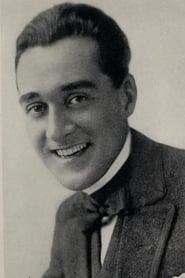
Jack Standing
Actor
Born: 1886 in London, England Died: February 26, 1917 Active: 1914-1917
Films
3 films
About Jack Standing
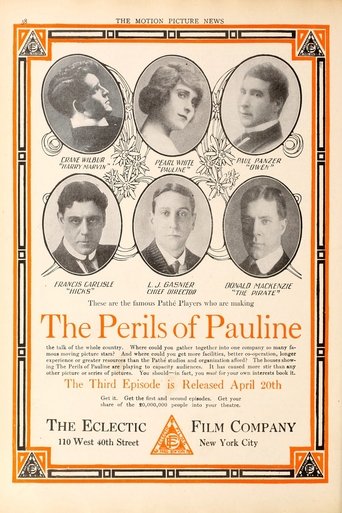
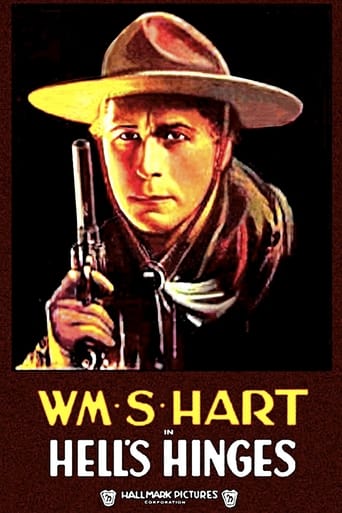
British-born actor who emerged from a theatrical family to become a notable figure in early American cinema. Born into the Standing acting dynasty, he followed his father Herbert Standing and brothers onto the stage before transitioning to the burgeoning film industry in the mid-1910s. Standing quickly established himself as a reliable character actor, appearing in some of the most significant films of the early silent era, including the serial 'The Perils of Pauline' (1914). His most memorable performance came in William S. Hart's western masterpiece 'Hell's Hinges' (1916), where he played the minister opposite Hart's gunslinger. Standing demonstrated remarkable versatility, moving between leading roles and character parts with equal facility, bringing his classical stage training to the new medium of cinema. His career was tragically cut short when he died suddenly in 1917 at the age of 31, just as he was establishing himself as a prominent figure in Hollywood's emerging star system. Despite his brief three-year film career, Standing on early cinema through his performances in films that have since become classics of the silent era.
The Craft
On Screen
Standing brought a refined theatrical presence to his film performances, characterized by dignified posture and expressive gestures honed through years of stage experience. His acting style embodied the transitional period between Victorian stage melodrama and the more naturalistic film acting that would emerge later in the 1920s. In roles like the minister in 'Hell's Hinges,' he conveyed moral authority and inner conflict through subtle facial expressions and controlled body language, demonstrating an early understanding of the camera's ability to capture nuance. His background in classical theater gave him a commanding screen presence that translated well to the silent medium, where actors relied heavily on physical expression to convey emotion and narrative.
Milestones
- Breakthrough role in 'The Perils of Pauline' (1914) serial
- Memorable performance as the minister in 'Hell's Hinges' (1916)
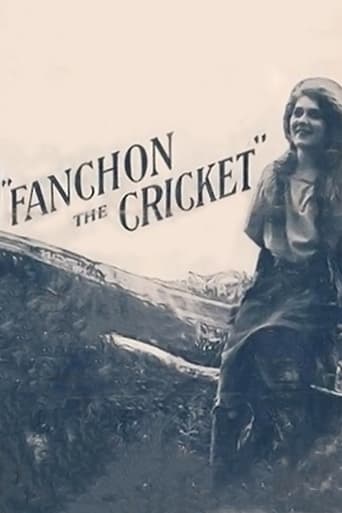
- Leading role in 'Fanchon, the Cricket' (1915)
- Transition from stage to film during cinema's formative years
- Part of the influential Standing acting family
Best Known For
Iconic Roles
Must-See Films
Accolades
Special Recognition
- Part of the Standing theatrical dynasty recognized for their contributions to performing arts
Working Relationships
Worked Often With
Studios
Why They Matter
Impact on Culture
Jack Standing contributed significantly to the cultural bridge between Victorian stage traditions and emerging American cinema during its formative years. His performances in landmark films like 'The Perils of Pauline' helped establish the serial film format that would become a staple of early cinema and influence generations of filmmakers. Standing's work in 'Hell's Hinges' alongside William S. Hart contributed to the development of the Western genre, helping codify many of its archetypal characters and moral frameworks. As part of the Standing acting dynasty, he represented the successful transition of theatrical families into the new medium of film, demonstrating how classical training could enhance rather than hinder cinematic performance. His relatively brief but impactful career occurred during a crucial period when cinema was establishing itself as a legitimate art form and cultural institution.
Lasting Legacy
Jack Standing's legacy endures through his appearances in films that have become classics of silent cinema, particularly 'Hell's Hinges,' which is frequently cited as one of the greatest Westerns of the silent era. Though his career was cut tragically short, his work exemplifies the quality of performance achieved by classically trained actors who embraced the new medium of cinema. Standing represents an important transitional figure in film history, embodying the shift from stage melodrama to cinematic naturalism. His contributions to early serials and Westerns helped establish genres that would dominate American cinema for decades. The Standing family name continues to be recognized in film history circles as one of the first theatrical dynasties to successfully transition to motion pictures, with Jack standing as an important though often overlooked member of this family.
Who They Inspired
Standing's classical approach to film acting influenced the development of screen acting techniques during the silent era, demonstrating how theatrical training could be adapted for the camera. His work in ensemble casts helped establish the importance of character actors in supporting leading performers, a practice that would become fundamental to Hollywood's studio system. Through his performances in genre-defining films, he contributed to the establishment of acting conventions for Westerns and serial films that would influence subsequent generations of performers. Standing's successful transition from stage to film provided a model for other theatrical actors seeking opportunities in the growing motion picture industry. His family's continued presence in Hollywood throughout the silent era helped maintain standards of performance rooted in classical training while embracing the new possibilities of cinema.
Off Screen
Jack Standing was born into one of Britain's most theatrical families, with acting in his blood from birth. He was the son of Herbert Standing, a renowned Victorian stage actor, and grew up surrounded by theatrical tradition and performance. Standing married actress Blanche Walsh, a prominent stage and early film actress, in what was considered a union of two rising theatrical talents. His personal life was marked by the transition from British stage traditions to American film innovation, as he followed his brothers to Hollywood during the early film boom. Tragically, his life was cut short by illness at age 31, leaving behind a promising career and a grieving family deeply embedded in the entertainment industry.
Education
Classical theatrical training through family tradition and stage experience
Family
- Blanche Walsh (1914-1917)
Did You Know?
- Came from a family of 13 siblings, most of whom became actors
- His father Herbert Standing — famous Victorian stage actor
- Brother Wyndham Standing had a long and successful film career
- Brother Guy Standing became a prominent Hollywood character actor
- Died at age 31, cutting short a promising career
- Appeared in over 20 films in just three years
- Hell
- s Hinges' was selected for preservation in the National Film Registry in 1994
- Married prominent stage actress Blanche Walsh
- Was part of the wave of British actors who helped establish Hollywood
- The Standing family was sometimes called 'The Royal Family of the British Stage'
Frequently Asked Questions
Who was Jack Standing?
British-born silent film with credits in this catalog. He appeared in notable films including 'The Perils of Pauline' and 'Hell's Hinges' before his untimely death at age 31.
What films is Jack Standing best known for?
Titles linked here include Hell's Hinges (1916), The Perils of Pauline (1914).
When was Jack Standing born and when did he die?
Born 1886; died February 26, 1917.
What awards did Jack Standing win?
Jack Standing did not receive formal awards during his brief career, as the award systems for film were not yet established during the early silent era.
What was Jack Standing's acting style?
Standing brought classical theatrical training to his film performances, characterized by dignified stage presence and expressive gestures. His style represented the transition from Victorian stage melodrama to more naturalistic film acting.
Was Jack Standing related to other actors?
Yes, Jack came from the Standing acting family. His father Herbert Standing — famous stage actor, and his brothers Wyndham and Guy Standing also had successful film careers.
Why was Jack Standing's career so short?
Standing's career lasted only three years (1914-1917) because he died suddenly at age 31, just as he was establishing himself as a prominent figure in early Hollywood.