Films
2 films
About Ali Nasirian
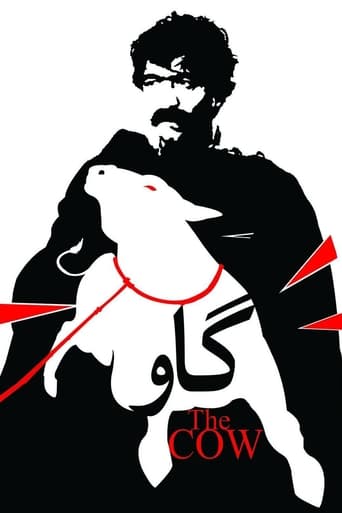
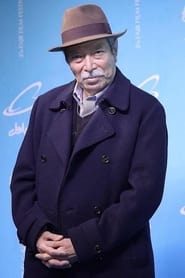
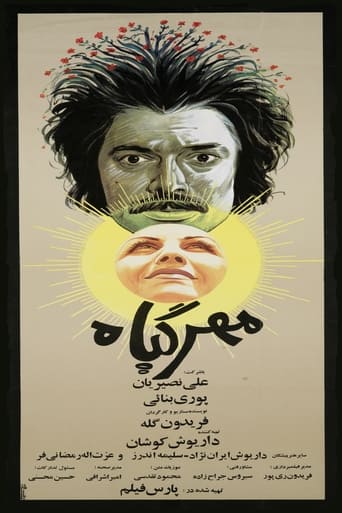
Ali Nasirian is one of Iran's most actors, born in 1935 in Tehran. He began his career in theater before transitioning to film during the Iranian New Wave movement of the 1960s. His breakthrough performance came in Dariush Mehrjui's landmark film 'The Cow' (1969), where he portrayed a simple villager whose psychological breakdown after losing his beloved cow became a powerful allegory for Iranian society. Throughout the 1970s, Nasirian became synonymous with intelligent, nuanced performances that captured the struggles of ordinary Iranians during a period of rapid modernization. His collaboration with director Mehrjui continued with 'The Mandrake' (1975), further cementing his status as a leading figure in Iranian cinema. Following the 1979 revolution, Nasirian continued his career in both film and television, adapting to the new cultural landscape while maintaining his artistic integrity. His career spans over five decades, making him a living legend of Iranian performing arts.
The Craft
On Screen
Naturalistic and psychologically deep, specializing in portraying ordinary people facing extraordinary circumstances. His performances are characterized by subtle facial expressions, methodical character development, and an ability to convey complex emotions through minimal dialogue. Nasirian's approach blends traditional Persian theatrical techniques with modern cinematic realism.
Milestones
- Breakthrough role in 'The Cow' (1969)
- Leading role in Iranian New Wave cinema
- Extensive theater career before and after film work
- Continued acting career through post-revolution Iranian cinema
- Recognition as one of Iran's greatest living actors
Best Known For
Iconic Roles
Must-See Films
Accolades
Won
- Best Actor, Sepas Film Festival for 'The Cow' (1969)
- Lifetime Achievement Award, Fajr International Film Festival
- Best Actor, Iranian Film Festival for various performances
Nominated
- Multiple Fajr Film Festival nominations throughout career
- International film festival nominations for 'The Cow'
Special Recognition
- Order of Culture and Art (Iran)
- Lifetime Achievement Award from Iranian Cinema Organization
- Recognized as Cultural Heritage Artist by Iran
Working Relationships
Worked Often With
Studios
Why They Matter
Impact on Culture
Ali Nasirian's performance in 'The Cow' is considered a watershed moment in Iranian cinema, representing the emergence of a new artistic language that could speak to both Iranian audiences and international critics. His portrayal of Masht Hassan became an iconic representation of the Iranian everyman struggling with modernity, tradition, and psychological turmoil. The film and his performance were instrumental in establishing Iranian cinema on the world stage, influencing countless filmmakers and actors who followed. Nasirian's work helped bridge traditional Persian theatrical forms with contemporary cinematic techniques, creating a uniquely Iranian modernist aesthetic.
Lasting Legacy
Ali Nasirian's legacy extends far beyond his film performances; he represents the golden age of Iranian cinema and its transition through political upheavals. His ability to maintain artistic integrity while adapting to changing cultural and political circumstances has made him a role model for Iranian artists. The characters he portrayed, particularly Masht Hassan, have become part of Iran's cultural lexicon, referenced in literature, theater, and everyday conversation. His career demonstrates how art can transcend political boundaries and speak to universal human experiences while remaining rooted in specific cultural contexts.
Who They Inspired
Nasirian's naturalistic acting style influenced an entire generation of Iranian actors who moved away from theatrical, exaggerated performances toward more subtle, psychologically complex portrayals. His collaboration with directors of the Iranian New Wave helped establish a new cinematic language that combined social realism with poetic symbolism. Many contemporary Iranian actors cite Nasirian as a primary influence, particularly his ability to convey deep emotion through minimal gestures and expressions. His work has been studied in film schools around the world as an example of how performance can serve both as entertainment and social commentary.
Off Screen
Ali Nasirian has maintained a relatively private personal life while being one of Iran's most public cultural figures. He has been married and has children who have also pursued careers in the arts. Nasirian is known for his intellectual pursuits outside of acting, including literature and poetry. He has been a vocal advocate for the preservation of Iranian cultural heritage and traditional arts. Despite political changes in Iran, he has managed to maintain his artistic integrity and continue working in his chosen field.
Education
Graduated from University of Tehran's Faculty of Fine Arts, studied theater and dramatic arts under prominent Iranian theater directors of the 1950s
Family
- Marzieh Boroumand (1960s-1970s)
Did You Know?
- 'The Cow' was banned in Iran for several years after its release due to its perceived social criticism
- Nasirian originally trained as a theater actor and only transitioned to film in his 30s
- His performance in 'The Cow' is ranked among the top 100 performances in world cinema by multiple film critics
- The character of Masht Hassan became so iconic that Iranians still use references to the character in everyday language
- Nasirian has also worked extensively in television, particularly in historical dramas
- He has written several plays and screenplays in addition to his acting work
- Despite international acclaim, Nasirian has always chosen to work primarily in Iran
- His theatrical background is evident in his precise control of voice and movement in film performances
- He has been a professor of acting at several Iranian arts universities
- The cow used in the film became almost as famous as Nasirian himself in Iranian popular culture
In Their Own Words
Acting is not about pretending to be someone else, but about finding the truth within yourself that connects to the character
In Iran, we don't just tell stories - we preserve our history and culture through every performance
The most powerful emotions are often those left unspoken
When I played Masht Hassan, I wasn't just acting - I was channeling the soul of rural Iran
Cinema should be a mirror that shows society not just as it is, but as it could be
Frequently Asked Questions
Who was Ali Nasirian?
Ali Nasirian is one of Iran's most acclaimed actors, best known for his groundbreaking performance in 'The Cow' (1969) and his contributions to the Iranian New Wave cinema movement. Born in 1935 in Tehran, he began his career in theater before becoming a central figure in Iranian film, particularly celebrated for his naturalistic acting style and ability to portray complex psychological states.
What films is Ali Nasirian best known for?
Titles linked here include The Cow (1969), The Mandrake (1975).
When was Ali Nasirian born and when did he die?
Born 1935; died death date not listed.
What awards did Ali Nasirian win?
Nasirian has received numerous awards including Best Actor at the Sepas Film Festival for 'The Cow', a Lifetime Achievement Award from the Fajr International Film Festival, and Iran's Order of Culture and Art. He has also received multiple Best Actor awards from various Iranian film festivals throughout his career.
What was Ali Nasirian's acting style?
Nasirian's acting style is characterized by naturalism, psychological depth, and subtlety. Drawing from his theater background, he combines precise control of voice and movement with an ability to convey complex emotions through minimal gestures. His approach blends traditional Persian theatrical techniques with modern cinematic realism, making him particularly effective at portraying ordinary people facing extraordinary circumstances.