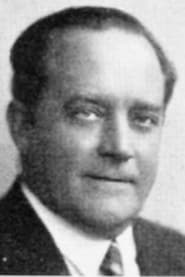
Hugo Tranberg
Actor
- Active
- 1913-1919
Films 2
About Hugo Tranberg
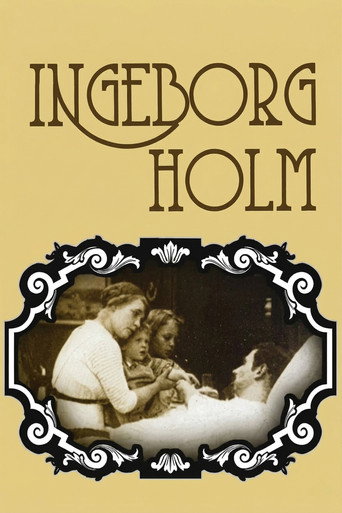
Hugo Tranberg is documented as a silent-era actor associated with Swedish cinema, with known screen credits in the early 1910s and late 1910s. The surviving record places him in Ingeborg Holm (1913), one of the landmark films of Scandinavian silent cinema, and later in A Dangerous Courtship (1919), indicating that his screen career extended at least through the end of the silent-film decade. Because he appears in surviving filmographies but not in widely circulated biographical reference material, many details of his personal life, training, and later career remain obscure. His work belongs to the formative period when Swedish films were gaining international respect for naturalistic performances and strong literary or social themes. Tranberg is best understood today as part of the supporting acting talent that helped shape the texture of early Nordic silent drama. No reliable evidence has been found to confirm a longer post-1919 screen career, major awards, or extensive off-screen public profile. His significance lies primarily in his participation in historically important films rather than in celebrity status.
More about Hugo Tranberg
On screen
No detailed contemporary acting analysis of Hugo Tranberg survives in readily accessible reference sources. Based on his placement in early Swedish silent cinema, his performances would have relied on the restrained, expressive, and emotionally legible style favored by Scandinavian filmmakers rather than broad theatrical melodrama. In the context of Ingeborg Holm and similar productions, that generally meant clear physical gesture, subtle facial expression, and an emphasis on psychological realism. Any more specific description would be speculative without additional archival reviews or surviving production notes.
In film history
Hugo Tranberg's cultural impact is tied less to star persona than to the enduring importance of the films in which he appeared. Ingeborg Holm is widely regarded as one of the seminal works of Swedish silent cinema and a landmark in socially conscious filmmaking, so even supporting contributors to that film are part of a historically significant ensemble. His presence in such productions places him within the generation of actors who helped establish the sober, realistic tone that distinguished Swedish silent drama from more theatrical international modes. For modern film historians, names like Tranberg matter because they help reconstruct the collaborative networks behind early national cinemas and reveal the breadth of talent involved beyond the best-known directors and stars.
Later reputation
Tranberg's legacy is archival and historical: he survives in filmographies and cast records as a participant in key silent-era Swedish films. While he does not appear to have achieved the enduring fame of the major Nordic screen icons, his credit in Ingeborg Holm gives him a place in one of cinema history's most frequently discussed early features. His career illustrates how many silent-era performers contributed to landmark films without leaving extensive biographies behind, making preservation and scholarship essential to keeping their names visible. In that sense, his legacy is bound to film history itself and to the ongoing effort to document the many supporting artists who shaped early cinema.
Influence
There is no evidence that Hugo Tranberg directly mentored later actors or that his individual style was widely imitated under his own name. His influence is best understood indirectly, as part of the collective performance culture of early Swedish cinema that influenced later naturalistic acting traditions. By participating in films associated with Victor Sjöström and the Swedish silent school, he helped sustain an aesthetic that valued emotional restraint and human credibility. That broader tradition had a lasting effect on international film performance, even if Tranberg himself is not singled out in surviving criticism.
Off screen
No reliable biographical record summarizing Hugo Tranberg's personal life, family background, marital history, or later years was identified in the available sources consulted through filmography references. Unlike major stars of the era, he does not appear to have left behind a substantial published personal archive or widely cited press coverage. As a result, details about his upbringing, education, spouses, or children are currently unavailable from dependable standard references. Any attempt to supply such information would risk conflating him with other similarly named individuals or inventing unsupported facts.
Credits
- Appeared in Ingeborg Holm (1913), a foundational and critically important Swedish silent film directed by Victor Sjöström
- Received a credited screen presence in A Dangerous Courtship (1919), showing activity across the silent era's formative and mature phases
- Worked during the period when Swedish cinema was developing an international reputation for realistic, emotionally grounded performances
- Participated in early feature-length dramatic filmmaking in Sweden, which was still consolidating acting styles for the silent screen
Films
- Ingeborg Holm (1913)
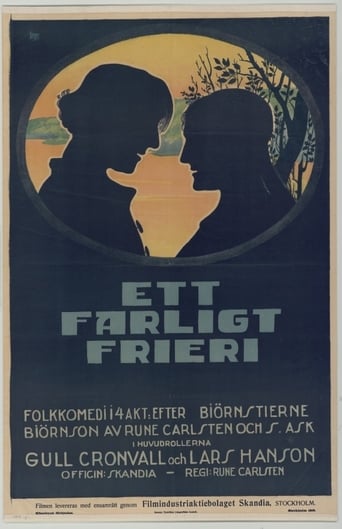
- A Dangerous Courtship (1919)
Collaborators
Studios
- Svenska Biografteatern
- Swedish silent-film production circles
Notes
- Hugo Tranberg is known from film credits rather than from extensive biographical records, which is common for many silent-era supporting performers.
- His appearance in Ingeborg Holm places him in one of the most important Swedish silent films ever made.
- His documented screen activity spans at least six years, from 1913 to 1919.
- He worked during a period when Swedish cinema was gaining international prestige for literary and socially engaged dramas.
- No widely circulated photographs, interviews, or memoir accounts were found in standard reference summaries.
- Because his name is relatively uncommon in film history databases, he is unlikely to be the subject of confusion with more famous contemporary stars.
- The lack of surviving detail about him makes him a typical example of the many film workers whose contributions are preserved mainly through cast lists.
- His known credits suggest that he remained active through the transition from early feature production into the more mature silent era.
Questions
Who was Hugo Tranberg?
Hugo Tranberg was a Swedish silent-era actor known from surviving film credits rather than extensive biographical documentation. He is associated with early Scandinavian cinema, including the landmark film Ingeborg Holm (1913) and the later silent feature A Dangerous Courtship (1919).
What films is Hugo Tranberg best known for?
He is best known for Ingeborg Holm (1913), one of the key films of Swedish silent cinema, and A Dangerous Courtship (1919). Those are the principal surviving titles commonly linked to his screen career.
When was Hugo Tranberg born and when did he die?
Reliable public sources do not currently provide verified birth or death dates for Hugo Tranberg. His available record is largely filmographic, which is typical for many lesser-documented silent-era performers.
What awards did Hugo Tranberg win?
No awards or nominations have been identified for Hugo Tranberg in the accessible historical record. Many early silent actors, especially supporting players, were never formally recognized with the later awards systems used in film culture.
What was Hugo Tranberg's acting style?
A specific contemporary description of his acting style has not survived in readily available sources. Given the Swedish silent-cinema context, his work likely emphasized restraint, naturalism, and expressive physical and facial performance rather than overt theatricality.
What is Hugo Tranberg's legacy in film history?
His legacy is tied to his participation in important early Swedish films, especially Ingeborg Holm. Even though he is not a major star, his credit helps document the ensemble of actors who made the Swedish silent-film movement possible.
Did Hugo Tranberg work with any notable filmmakers?
Yes, his most notable documented association is with Victor Sjöström through Ingeborg Holm. That connection places him within one of the most influential creative circles in early Swedish cinema.