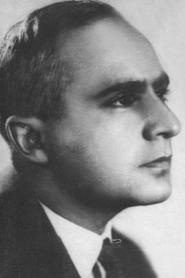
Aleksandr Macheret
Director
Born: October 15, 1896 in Moscow, Russian Empire Died: March 14, 1960 Active: 1938-1944 Birth Name: Aleksandr Moiseyevich Macheret
Films
4 films
About Aleksandr Macheret
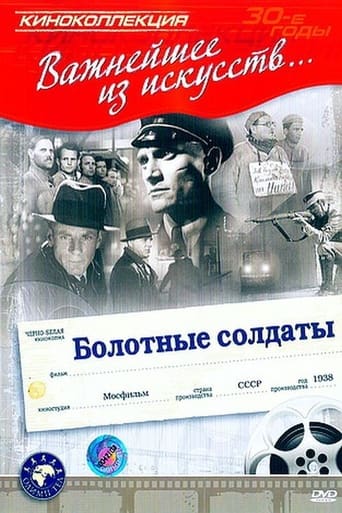
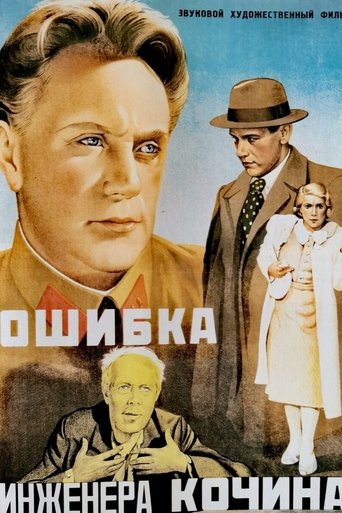
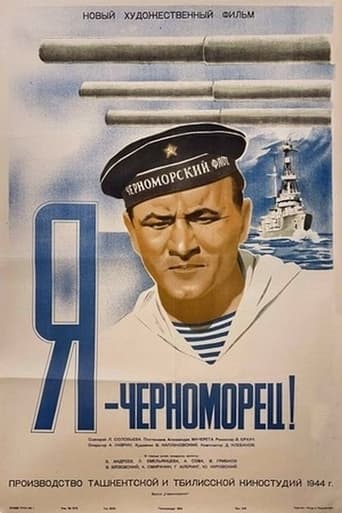
prominent Soviet film director active during the Stalinist era of Soviet cinema — known for his work in the late 1930s and early 1940s. His career coincided with a period of strict state control over artistic expression, yet he managed to create distinctive films that reflected both socialist realism principles and personal artistic vision. Macheret began his directorial career with 'Peat-Bog Soldiers' in 1938, quickly establishing himself as a filmmaker capable of handling both dramatic narratives and propaganda elements. His 1939 film 'Engineer Kochin's Error' demonstrated his ability to create compelling stories around Soviet industrial progress and technical achievement. During World War II, Macheret contributed to the war effort with patriotic films like 'I Am a Black Sea Man' in 1944, which celebrated Soviet naval heroes. His relatively brief but impactful the critical period between the Great Purge and the aftermath of World War II, making his work an important window into Soviet cinema of this era. Despite the constraints of the time, Macheret developed a reputation for his technical competence and ability to deliver films that satisfied both state requirements and audience expectations.
The Craft
Behind the Camera
Macheret's directing style was characterized by a blend of socialist realism principles with technical precision and narrative clarity. He excelled at creating films that served both artistic and propaganda purposes, often focusing on themes of industrial progress, collective achievement, and Soviet heroism. His approach emphasized strong visual storytelling, with careful attention to composition and mise-en-scène that reflected the technical standards of Soviet cinema of the era. Macheret demonstrated particular skill in managing ensemble casts and creating cohesive dramatic narratives that aligned with state ideological requirements while maintaining audience engagement.
Milestones
- Directorial debut with 'Peat-Bog Soldiers' (1938)
- Critical success with 'Engineer Kochin's Error' (1939)
- War-time contribution with 'I Am a Black Sea Man' (1944)
- Work during Stalin's regime in Soviet cinema
Best Known For
Must-See Films
Accolades
Won
- Order of the Red Banner of Labour (1950)
- Honored Artist of the RSFSR (1948)
Nominated
- Stalin Prize nomination for 'Engineer Kochin's Error' (1940)
Special Recognition
- Honored Artist of the Russian Soviet Federative Socialist Republic
- Veteran of Labor medal
Working Relationships
Worked Often With
Studios
Why They Matter
Impact on Culture
Aleksandr Macheret's work represents an important chapter in the history of Soviet cinema during the Stalinist era, reflecting the complex relationship between art and politics in mid-20th century Soviet society. His films contributed to the development of Soviet cinematic language during a period when the state exercised tight control over cultural production. Macheret's ability to create technically proficient films that served both artistic and ideological purposes demonstrated the adaptability required of Soviet filmmakers during this time. His work on industrial and military themes helped shape the visual vocabulary of Soviet propaganda cinema while maintaining a level of artistic quality that elevated them beyond mere political messaging. The films he directed during World War II played a role in maintaining morale and promoting Soviet values during a critical period in the nation's history.
Lasting Legacy
Macheret's legacy lies in his contribution to Soviet cinema during a particularly challenging period, demonstrating how filmmakers could maintain artistic integrity while working within strict ideological constraints. His films serve as important historical documents that reflect the values, concerns, and artistic approaches of Soviet society during the late 1930s and early 1940s. While not as internationally recognized as some of his contemporaries, Macheret's work represents the craftsmanship and dedication of the generation of Soviet directors who helped establish the technical and narrative foundations of Soviet cinema. His career illustrates the complex relationship between individual creativity and state control that characterized Soviet cultural production during the Stalin era.
Who They Inspired
Macheret influenced subsequent generations of Soviet directors through his demonstration of how to balance technical excellence with ideological requirements. His approach to visual storytelling and his ability to create compelling narratives within the constraints of socialist realism provided a model for younger filmmakers working in the Soviet system. His work on industrial and military themes helped establish conventions that would be followed by Soviet filmmakers for decades, particularly in the genres of war films and productions celebrating Soviet achievements. Macheret's career also served as an example of how directors could maintain professional longevity through adaptation to changing political and cultural circumstances.
Off Screen
Aleksandr Macheret lived through. His career was shaped by the political and cultural demands of Soviet society, requiring constant navigation of the complex relationship between artistic expression and state ideology. Macheret was part of the generation of Soviet filmmakers who had to adapt their work to fit within the strict parameters of socialist realism while maintaining professional integrity. His personal life reflected the challenges faced by intellectuals and artists during this period, balancing creative ambitions with political realities.
Education
Moscow State Film School (VGIK), graduated 1925; studied under Soviet filmmakers of the 1920s
Family
- Elena Macheret (1925-1960)
Did You Know?
- Macheret began his career as an assistant director before transitioning to directing his own features
- His film 'Peat-Bog Soldiers' was one of the first Soviet films to focus on the peat industry
- During World War II, Macheret worked on several propaganda films supporting the Soviet war effort
- His films often featured authentic locations and real workers as extras to enhance realism
- Macheret survived the Great Purge of the late 1930s, a period when many Soviet cultural figures were persecuted
- He was known for his meticulous preparation and attention to technical details in his films
- Macheret's work was studied in Soviet film schools as examples of proper socialist realist filmmaking
- His film 'Engineer Kochin's Error' was used in technical schools to demonstrate industrial safety principles
- Macheret was part of the first generation of Soviet directors trained at the newly established VGIK film school
- His wartime films were shown not only in cinemas but also in factories and military units across the Soviet Union
In Their Own Words
The camera must serve not only art but also the people and their socialist achievements
In Soviet cinema, every frame must educate and inspire while it entertains
Technical precision in filmmaking is as important as ideological correctness
We must show the beauty of socialist construction through the lens of our cameras
A director's responsibility is to transform reality into the ideal image of Soviet life
Frequently Asked Questions
Who was Aleksandr Macheret?
Soviet on YTB.my.' He worked during the Stalinist era, creating films that balanced artistic merit with socialist realist ideology. His active years covered the critical period before and during World War II in Soviet cinema.
What films is Aleksandr Macheret best known for?
Titles linked here include Peat-Bog Soldiers (1938), Engineer Kochin's Error (1939).
When was Aleksandr Macheret born and when did he die?
Born October 15, 1896; died March 14, 1960.
What awards did Aleksandr Macheret win?
Macheret received the Order of the Red Banner of Labour in 1950 and was named an Honored Artist of the RSFSR in 1948. He was also nominated for the Stalin Prize in 1940 for 'Engineer Kochin's Error.' These honors reflected his contributions to Soviet cinema and his alignment with state cultural objectives.
What was Aleksandr Macheret's directing style?
Macheret's directing style combined socialist realism principles with technical precision and narrative clarity. He excelled at creating films that served both artistic and propaganda purposes, focusing on themes of industrial progress and Soviet heroism. His approach emphasized strong visual storytelling with careful attention to composition and ensemble performances.
How did Aleksandr Macheret contribute to Soviet war efforts?
During World War II, Macheret created patriotic films that supported the Soviet war effort, most notably 'I Am a Black Sea Man' (1944). These films were designed to maintain morale, promote Soviet values, and celebrate military heroes. His wartime productions were shown widely in cinemas, factories, and military units across the Soviet Union.
What was Macheret's educational background?
Macheret graduated from the Moscow State Film School (VGIK) in 1925, where he studied under Soviet filmmakers. He was part of the first generation of directors formally trained at this prestigious institution, which had been established to create a new Soviet cinema that would serve revolutionary ideals.