Films
6 films


About Viktor Gromov
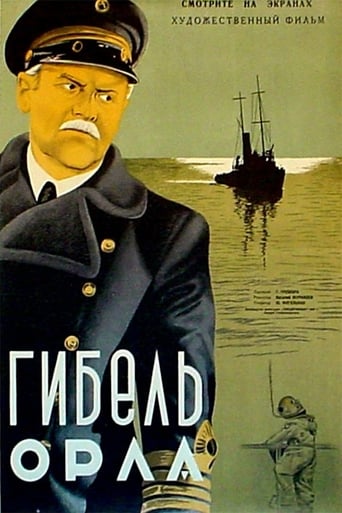
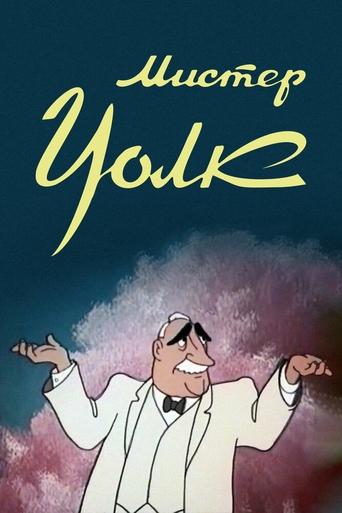
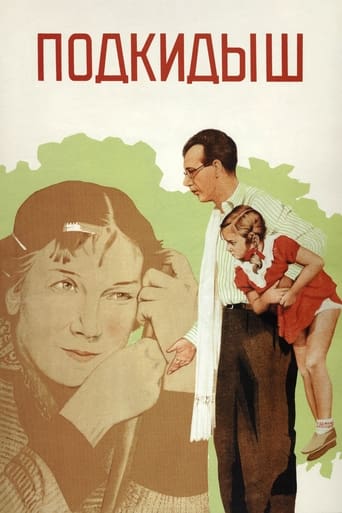
Soviet filmmaker who worked during the mid-20th century, transitioning from acting to directing during a significant period in Soviet cinema. His screen career ran from 1939 to 1951, encompassing both the late Stalin era and the immediate post-war period. Gromov began his film career as an actor, appearing in notable productions such as 'The Foundling' (1939) and 'The Disappearance of Eagle' (1940) during a time when Soviet cinema was heavily influenced by socialist realism. By the late 1940s, he had transitioned behind the camera, establishing himself as a director with a distinct voice in Soviet narrative filmmaking. His directorial work includes 'Mister Wolf' (1949), 'The Pipe and the Pitcher' (1950), and 'Friends-Comrades' (1951), which reflect the thematic concerns and aesthetic preferences of their era. Gromov's career trajectory from actor to director was not uncommon in Soviet cinema, where many filmmakers gained comprehensive understanding of the medium through multiple roles. His filmography, while limited in scope, represents the work of a craftsman operating within the constraints and opportunities of his time.
The Craft
On Screen
Based on his filmography during the Soviet era, Gromov's acting style likely adhered to the principles of socialist realism, emphasizing clear emotional expression and ideological clarity. His performances would have been characterized by the theatrical tradition that influenced early Soviet cinema, with deliberate gestures and pronounced vocal delivery typical of the period. As an actor working in state-controlled productions, his technique would have served the narrative and ideological purposes of each film.
Behind the Camera
Gromov's directing style, as evidenced by his film titles, appears to focus on character-driven narratives with social themes. Working within the Soviet system of the late 1940s and early 1950s, his approach would have balanced artistic expression with ideological requirements. His films likely employed classical Soviet editing techniques and emphasized ensemble performances, reflecting the collective values promoted during this period of Soviet cinema.
Milestones
- Acting debut in The Foundling (1939)
- Transition to directing in 1949
- Directed three feature films in consecutive years (1949-1951)
Best Known For
Iconic Roles
Must-See Films
Working Relationships
Studios
Why They Matter
Impact on Culture
Viktor Gromov's work represents a transitional period in Soviet cinema, moving from the wartime years to the early Cold War era. His films, while not widely known internationally, contribute to our understanding of Soviet narrative cinema during a time when the industry was recovering from World War II and adapting to new political realities. His career trajectory from actor to director exemplifies the professional development paths available within the Soviet film system.
Lasting Legacy
Gromov's legacy lies primarily in his contribution to Soviet cinema's mid-century output, particularly through his directorial work in the immediate post-war period. His films serve as historical artifacts reflecting the aesthetic and ideological concerns of their time. While not a major figure in international cinema history, his work is valuable for scholars studying Soviet film production and the transition from wartime to peacetime cinema in the USSR.
Who They Inspired
Information about Gromov's direct influence on other filmmakers is limited, as is common for many Soviet-era directors who worked within the state system. His work would have contributed to the broader development of Soviet narrative cinema and potentially influenced contemporaries working within similar thematic and stylistic constraints.
Off Screen
Limited information is available about Viktor Gromov's personal life, which is not uncommon for Soviet-era filmmakers whose private details were often not extensively documented in publicly available sources. As a filmmaker working during the Stalin and post-Stalin periods, his life would have been influenced by the political and social conditions of the time.
Did You Know?
- Worked during a challenging period for Soviet cinema (1939-1951)
- Transitioned successfully from acting to directing
- Directed three films in three consecutive years (1949-1951)
- His active years covered World War II and the early Cold War period
- Film titles suggest focus on character studies and social themes
Frequently Asked Questions
Who was Viktor Gromov?
Soviet actor and on YTB.my.
What films is Viktor Gromov best known for?
Titles linked here include Mister Wolf (1949), The Pipe and the Pitcher (1950).
When was Viktor Gromov born and when did he die?
Specific birth and death dates for Viktor Gromov are not readily available in documented sources, though Active 1939–1951 in this catalog.
What awards did Viktor Gromov win?
No documented awards or nominations for Viktor Gromov are available in accessible sources, which is not uncommon for many Soviet-era filmmakers of his generation.
What was Viktor Gromov's acting and directing style?
His acting likely reflected socialist realism principles common in Soviet cinema of the era, while his directing focused on character-driven narratives with social themes within the constraints of the Soviet film system.