
Films
2 films
About Javar Seetharaman
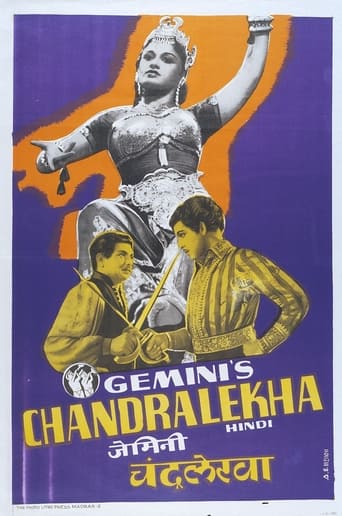
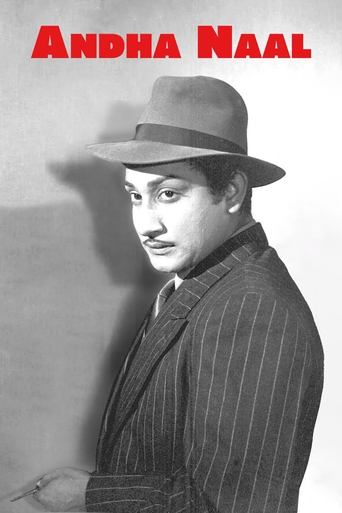
Character actor in Tamil cinema during the Golden Age of Indian film, particularly active in the late 1940s and early 1950s. He made his most significant impact with his roles in two landmark films: 'Chandralekha' (1948) and 'Andha Naal' (1954), both of which became classics of Indian cinema. In 'Chandralekha,' he played a supporting role in what was then the most expensive Indian film ever made, a spectacular production that showcased the grandeur of Tamil cinema. His performance in 'Andha Naal' as the character Maran was particularly noteworthy, as this film was revolutionary for being India's first film noir and for having no songs, a radical departure from conventional Indian cinema. Seetharaman was known for his ability to portray complex characters with depth and nuance, bringing a theatrical intensity to his screen performances. Though his filmography was relatively brief, his work in these two films cemented his place in Tamil cinema history. He represented the transition from theatrical acting styles to more naturalistic performances that would characterize later Indian cinema.
The Craft
On Screen
Seetharaman was known for his intense, theatrical acting style that combined classical Indian dramatic traditions with emerging cinematic naturalism. His performances were characterized by expressive facial features, deliberate body movements, and a commanding screen presence that could convey complex emotions without dialogue. In 'Andha Naal,' he demonstrated remarkable versatility by portraying a morally ambiguous character with psychological depth, showcasing his ability to adapt to the film noir genre's requirements for subtlety and restraint.
Milestones
- Breakthrough role in Chandralekha (1948)
- Critically acclaimed performance in Andha Naal (1954)
- Part of India's first film noir production
- Worked with director S. Balachander
- Contributed to Golden Age of Tamil cinema
Best Known For
Iconic Roles
Must-See Films
Accolades
Special Recognition
- Remembered as a key character actor in Tamil cinema's Golden Age
- Recognized for contribution to India's first film noir
Working Relationships
Worked Often With
Studios
Why They Matter
Impact on Culture
Javar Seetharaman played a significant role in the development of Tamil cinema during its Golden Age, particularly through his participation in two groundbreaking films. 'Chandralekha' set new standards for Indian film production values and spectacle, while 'Andha Naal' revolutionized Indian cinema by introducing film noir aesthetics and demonstrating that Indian films could succeed without musical numbers. His performances helped establish the credibility of serious dramatic cinema in India and paved the way for more complex, psychologically driven narratives. The success of these films, in part due to his compelling performances, influenced subsequent generations of Indian filmmakers to experiment with different genres and storytelling techniques.
Lasting Legacy
Though Javar Seetharaman's filmography was limited, his legacy endures through his contributions to two of the most important films in Indian cinema history. His work in 'Andha Naal' is particularly significant as it helped establish the film noir genre in Indian cinema and demonstrated that Indian audiences would embrace serious, songless narratives. His performance style, blending theatrical intensity with cinematic naturalism, influenced subsequent generations of character actors in Tamil cinema. Today, film scholars and cinema enthusiasts recognize his role in helping to professionalize and diversify Indian film acting during a crucial period of its development.
Who They Inspired
Seetharaman's work influenced later character actors in Tamil cinema by demonstrating the importance of supporting roles in creating compelling narratives. His ability to convey complex emotions and moral ambiguity in 'Andha Naal' showed that Indian cinema could accommodate sophisticated character studies, paving the way for more nuanced performances in subsequent decades. The success of the films he participated in encouraged other actors to take on challenging, non-traditional roles that pushed the boundaries of conventional Indian cinema.
Off Screen
Limited information is available about Javar Seetharaman's personal life, as was common for character actors of his era who often remained out of the public spotlight. He was primarily dedicated to his craft and maintained a professional focus on his theatrical and film work. His career, though relatively brief, made a significant impact on Tamil cinema during its formative years.
Education
Likely had training in traditional Indian theater and drama, though specific educational details are not well-documented
Did You Know?
- Appeared in India's first film noir 'Andha Naal' which had no songs
- Worked in 'Chandralekha', which was the most expensive Indian film made at that time
- His role in 'Andha Naal' was particularly challenging as it required naturalistic acting in an era of theatrical performances
- Part of the Golden Age of Tamil cinema when films were transitioning from theatrical to cinematic styles
- His character in 'Andha Naal' was one of the first truly morally ambiguous protagonists in Indian cinema
- The success of 'Andha Naal' proved that Indian audiences would accept serious, dramatic films without musical interludes
- His collaboration with director S. Balachander was considered groundbreaking for its time
- Though his career was brief, he chose projects that had lasting cultural significance
Frequently Asked Questions
Who was Javar Seetharaman?
Character with credits in this catalog.
What films is Javar Seetharaman best known for?
Titles linked here include Andha Naal (1954), Chandralekha (1948).
What was special about his role in Andha Naal?
In 'Andha Naal,' Seetharaman played Maran, a complex character in India's first film noir, demonstrating naturalistic acting at a time when theatrical performances dominated Indian cinema.
How did Javar Seetharaman contribute to Tamil cinema?
He contributed to Tamil cinema's development by participating in two revolutionary films that expanded the boundaries of Indian cinema - one showcasing spectacular production values and the other introducing film noir aesthetics.
What was unique about Andha Naal?
'Andha Naal' was revolutionary as India's first film noir and notably featured no songs, breaking from conventional Indian cinema traditions while achieving critical and commercial success.