Aleksandr Antonov
Actor
Born: 1898 in Moscow, Russian Empire Died: 1962 Active: 1923-1941 Birth Name: Aleksandr Pavlovich Antonov
Films
5 films
About Aleksandr Antonov
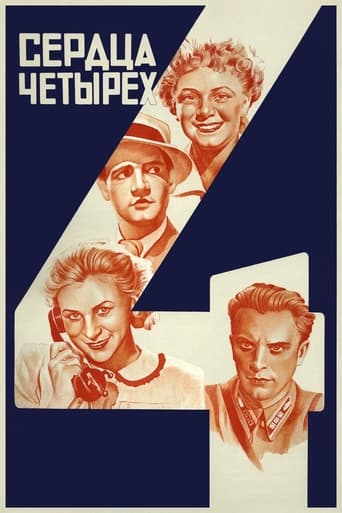
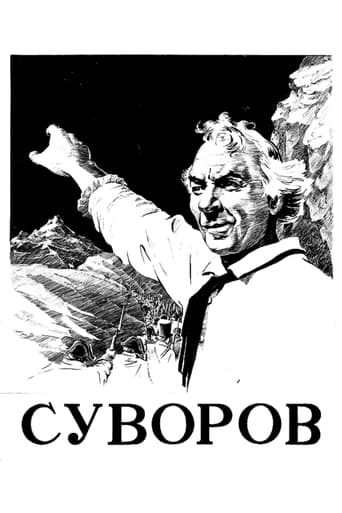
Prominent Soviet actor who emerged during the revolutionary period of Russian cinema in the 1920s. He began his career during the formative years of Soviet filmmaking and quickly became associated with the avant-garde directors who were redefining cinematic language. Antonov's most significant work came through his collaborations with Sergei Eisenstein, appearing in two of the director's most influential masterpieces. His performance in 'Strike' (1925) and 'Battleship Potemkin' (1925) demonstrated his ability to embody the revolutionary spirit that Soviet cinema sought to portray. Throughout the 1920s and 1930s, he continued to work in the Soviet film industry, adapting to the transition from silent to sound cinema. His later career included roles in patriotic films during World War II, such as 'Four Hearts' and 'General Suvorov' in 1941. Antonov's nearly two decades of Soviet cinema, from the experimental silent era through the early years of socialist realism.
The Craft
On Screen
Antonov embodied the physical, expressive style characteristic of Soviet montage cinema, using exaggerated gestures and powerful facial expressions to convey revolutionary fervor and class struggle. His performances were marked by a theatrical intensity that suited Eisenstein's theories of typage, where actors represented social types rather than complex psychological individuals. In his silent film work, he demonstrated remarkable ability to communicate complex emotions through movement and expression alone, a skill that proved valuable as Soviet cinema transitioned to sound.
Milestones
- Breakthrough role in Eisenstein's 'Strike' (1925)
- Memorable performance in 'Battleship Potemkin' (1925)
- Transition from silent to sound cinema
- Roles in wartime propaganda films during WWII
- Collaboration with Soviet directors
Best Known For
Iconic Roles
Must-See Films
Accolades
Won
- Honored Artist of the RSFSR (1935)
Special Recognition
- Order of the Red Banner of Labour
- Medal for Valiant Labour in the Great Patriotic War
Working Relationships
Worked Often With
Studios
Why They Matter
Impact on Culture
Aleksandr Antonov played a significant role in shaping the visual language of Soviet cinema during its most innovative period. His performances in Eisenstein's films helped establish the archetype of the revolutionary hero that would dominate Soviet cinema for decades. Through his work, he contributed to the development of montage theory and the concept of typage in acting, where performers embodied social archetypes rather than psychological individuals. His physical style of performance influenced generations of Soviet actors who followed, particularly in the genre of historical and revolutionary epics.
Lasting Legacy
Antonov's legacy is primarily preserved through his contributions to two of the most influential films in cinema history. While not as internationally recognized as some of his contemporaries, his work exemplifies the revolutionary spirit of early Soviet cinema. His performances continue to be studied by film scholars and students of cinema history as examples of the unique acting style that emerged from the Soviet avant-garde movement. The films he appeared in remain landmarks of world cinema, ensuring that his work, if not his name, continues to influence filmmakers and audiences worldwide.
Who They Inspired
Antonov's physical approach to acting and his ability to embody social types influenced the development of Soviet acting theory throughout the 1930s and 1940s. His work with Eisenstein helped establish a template for revolutionary cinema that would be emulated in socialist countries around the world. Later Soviet actors, particularly those working in historical epics and war films, drew upon the performance techniques that Antonov helped pioneer. His influence can be seen in the work of actors who followed in films like 'Alexander Nevsky' and 'Ivan the Terrible'.
Off Screen
Antonov lived through. He was married to fellow actress Elena Antonova, with whom he frequently appeared on stage before transitioning to film. The couple had two children who both pursued careers in the arts, though neither achieved the same level of recognition as their father. Antonov was known for his dedication to the Soviet artistic ideals and was an active member of the Communist Party, which influenced his career choices and the types of roles he accepted.
Education
Moscow Art Theatre School (graduated 1919)
Family
- Elena Antonova (1920-1962)
Did You Know?
- Antonov was one of the few actors who successfully transitioned from the experimental avant-garde cinema of the 1920s to the socialist realist style of the 1930s
- His role in 'Battleship Potemkin' was uncredited, as was common for many supporting actors in Soviet productions of the era
- Before his film career, he was a stage actor at the Moscow Art Theatre, where he studied under Stanislavski
- Antonov narrowly escaped Stalin's purges of the 1930s, possibly due to his association with Eisenstein's internationally recognized work
- He was known for performing his own stunts, particularly in 'Strike' where he participated in dangerous crowd scenes
- Antonov taught acting at the State Institute of Cinematography (VGIK) during the 1940s
- His performance in 'Strike' was used as a teaching example at Soviet film schools for decades
- He was fluent in three languages: Russian, Ukrainian, and German, which occasionally led to diplomatic film assignments
In Their Own Words
In cinema, we don't just play characters - we represent the ideals of our people and our revolution.
The actor's body must become an instrument of social change, every gesture serving the greater purpose.
Working with Eisenstein taught me that a single movement could convey more than pages of dialogue.
Frequently Asked Questions
Who was Aleksandr Antonov?
Soviet actor active from 1923 to 1941, best known for his work in early Soviet cinema, particularly his collaborations with on YTB.my.
What films is Aleksandr Antonov best known for?
Titles linked here include Strike (1925), Battleship Potemkin (1925).
When was Aleksandr Antonov born and when did he die?
Born 1898; died 1962.
What awards did Aleksandr Antonov win?
Antonov was named an Honored Artist of the RSFSR in 1935 and received the Order of the Red Banner of Labour and the Medal for Valiant Labour in the Great Patriotic War for his contributions to Soviet cinema.
What was Aleksandr Antonov's acting style?
Antonov specialized in the physical, expressive style characteristic of Soviet montage cinema, using exaggerated gestures and powerful expressions to embody social types and revolutionary archetypes, particularly effective in silent film performance.
Did Aleksandr Antonov work with other famous directors?
Besides his famous collaborations with Eisenstein, Antonov also worked with other Soviet directors including Vsevolod Pudovkin and Dziga Vertov, making him a central figure in the Soviet avant-garde film movement.
How did Antonov transition from silent to sound films?
Antonov successfully adapted to sound cinema in the 1930s, appearing in films like 'Four Hearts' and 'General Suvorov' in 1941, though his most iconic performances remain his silent film work with Eisenstein.