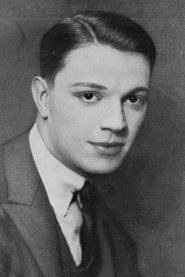
Robert Gordon
Actor & Director
Born: March 22, 1893 in Pittsburgh, Pennsylvania, USA Died: May 3, 1971 Active: 1927-1953
Films
2 films
About Robert Gordon
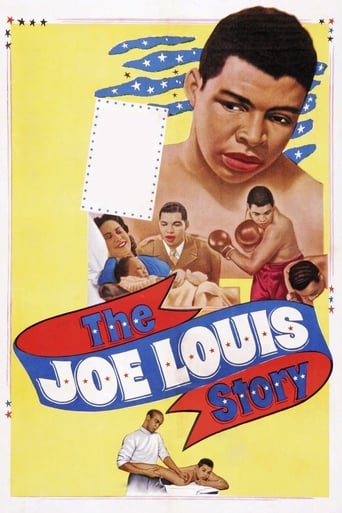
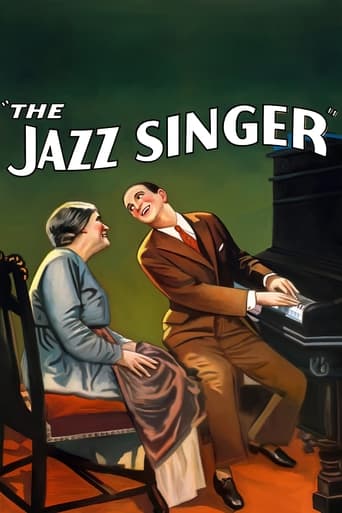
American film director and actor who worked during Hollywood's transition from silent films to talkies and through the Golden Age of cinema. He began his career as an actor in the 1920s, notably appearing in the film 'The Jazz Singer' (1927), which revolutionized the film industry as the first feature-length motion picture with synchronized dialogue sequences. Gordon transitioned to directing in the 1930s, establishing himself as a reliable studio director capable of handling various genres including crime dramas, westerns, comedies, and biographical pictures. Throughout his directing career, he worked for major studios such as Warner Bros., Universal Pictures, and Columbia Pictures, often completing projects efficiently on tight schedules and budgets. His directorial approach emphasized clear storytelling and technical competence rather than artistic innovation, making him a valuable asset to the studio system. Gordon's final notable directorial work was 'The Joe Louis Story' (1953), a biographical film about the heavyweight boxing champion that showcased his ability to handle dramatic subject matter. After the 1950s, Gordon largely retired from filmmaking, leaving behind a diverse body of work that spanned nearly three decades of significant Hollywood history.
The Craft
On Screen
Gordon's acting style was typical of the transitional period from silent films to talkies, characterized by theatrical gestures and clear enunciation. As a supporting actor in 'The Jazz Singer,' he demonstrated the exaggerated acting style common in silent films that was gradually being replaced by more naturalistic performances in sound films. His acting career was relatively brief compared to his directing work, suggesting he found his true calling behind the camera rather than in front of it.
Behind the Camera
Robert Gordon was known as a workmanlike, efficient director who prioritized clear storytelling and technical competence over artistic innovation. His directing style was straightforward and functional, focusing on delivering commercially viable films within studio constraints. Gordon demonstrated versatility across multiple genres, though he particularly excelled at crime dramas and biographical subjects. His approach was characterized by clean visual storytelling, efficient pacing, and the ability to work within tight production schedules and budgets. While not considered an auteur with a distinctive visual signature, Gordon's films were consistently professional and entertaining, making him a reliable studio director throughout his career.
Milestones
- Appeared in 'The Jazz Singer' (1927), the first feature film with synchronized dialogue
- Transitioned successfully from acting to directing in the 1930s
- Directed numerous films for major Hollywood studios including Warner Bros. And Columbia
- Directed 'The Joe Louis Story' (1953), a biopic of the legendary boxer
- Worked across multiple genres including crime dramas, westerns, and biographical films
Best Known For
Iconic Roles
Must-See Films
Working Relationships
Worked Often With
Studios
Why They Matter
Impact on Culture
Robert Gordon's cultural impact is primarily tied to his participation in two historically significant films. His appearance in 'The Jazz Singer' (1927) places him at the birth of the sound era in cinema,. This film effectively ended the silent film era and transformed the industry, making Gordon a small but meaningful part of this pivotal transition. As a director, Gordon contributed to the studio system that dominated Hollywood during its Golden Age, helping produce the steady stream of entertainment that defined American cinema in the 1930s and 1940s. His biographical film 'The Joe Louis Story' (1953) contributed to the post-war trend of celebrating American heroes and helped preserve the legacy of. While not a major innovator, Gordon's work represents the craftsmanship and professionalism that characterized Hollywood's studio era.
Lasting Legacy
Robert Gordon's legacy lies in his role as a representative figure of the Hollywood studio system during its golden age. His career arc from actor in the revolutionary 'The Jazz Singer' to director of numerous genre films exemplifies the adaptability required of film professionals during Hollywood's most transformative decades. Gordon represents the countless competent, professional directors who formed the backbone of the studio system, ensuring the steady production of quality entertainment even if they never achieved the recognition of more famous auteurs. His work on 'The Joe Louis Story' preserves an important piece of American cultural history, documenting the life of a significant sports figure and civil rights icon. Gordon's filmography shows the versatility and reliability valued by Hollywood studios, and his career provides insight into the working methods and career patterns typical of mid-level directors during the Golden Age of Hollywood.
Who They Inspired
As a studio director rather than an auteur, Robert Gordon's influence on other filmmakers appears limited in terms of artistic innovation or distinctive style. However, his efficient work methods and ability to handle multiple genres successfully likely served as a model for other directors working within the studio system. His career demonstrated the importance of adaptability in Hollywood, transitioning from acting to directing and working across various genres as studio demands changed. Gordon's participation in 'The Jazz Singer' placed him at the forefront of the sound revolution, potentially influencing other actors and filmmakers who witnessed the industry's transformation firsthand. While he may not have directly mentored famous protégés, his professional approach to filmmaking embodied the standards of craftsmanship and reliability that characterized Hollywood's golden age.
Off Screen
Robert Gordon maintained a relatively private personal life away from the Hollywood spotlight. He married actress Barbara Kent, a popular silent film star known for her work with Harold Lloyd and others. The marriage took place during the transition from silent films to sound, coinciding with Gordon's own career shift from acting to directing. Gordon and Kent's relationship represented a union of two Hollywood professionals navigating the rapidly changing film industry of the late 1920s and 1930s. Details about their family life, children, or other personal relationships remain limited in historical records, suggesting Gordon preferred to keep his private life separate from his professional career.
Education
Limited information available about Gordon's formal education, which was typical for many Hollywood professionals of his era who often entered the industry through practical experience rather than academic training.
Family
- Barbara Kent (1932-1949)
Did You Know?
- Appeared in 'The Jazz Singer' (1927), the first feature film with synchronized dialogue, making him part of cinema history
- Transitioned from acting to directing during the early sound era, a period when many silent film actors struggled to adapt
- Directed films for multiple major studios including Warner Bros., Universal, and Columbia Pictures
- His final notable film 'The Joe Louis Story' (1953) was one of the first major biopics about an African American sports hero
- Worked during the height of the Hollywood studio system when directors were often contract employees rather than independent artists
- Married silent film star Barbara Kent, connecting him to another important figure from early Hollywood
- His active years covered the entire period from the birth of sound films through the Golden Age of Hollywood
- Like many studio directors of his era, he was known for his efficiency and ability to complete films on schedule and budget
- His filmography includes examples of nearly every major genre popular in 1930s-1950s Hollywood
- Represented the typical Hollywood professional who adapted to the industry's changing technologies and business models
In Their Own Words
No widely documented famous quotes are attributed to Robert Gordon, which was typical for studio directors of his era who worked behind the scenes and rarely gave interviews or made public statements.
Frequently Asked Questions
Who was Robert Gordon?
American actor and on YTB.my. He appeared in the groundbreaking film 'The Jazz Singer' (1927) and later became a prolific director for major studios, working across multiple genres including crime dramas, westerns, and biographical films.
What films is Robert Gordon best known for?
Titles linked here include The Jazz Singer (1927), The Joe Louis Story (1953).
When was Robert Gordon born and when did he die?
Born March 22, 1893; died May 3, 1971.
What awards did Robert Gordon win?
There are no documented major awards or nominations for Robert Gordon during his career. Like many studio directors of his era, his contributions were primarily measured by his reliability and the commercial success of his films rather than industry accolades.
What was Robert Gordon's directing style?
Robert Gordon's directing style was characterized by efficiency, clear storytelling, and technical competence rather than artistic innovation. He was a versatile studio director who worked across multiple genres, prioritizing professional craftsmanship and commercial viability over personal artistic expression.