Films
3 films

About Mikhail Gomorov
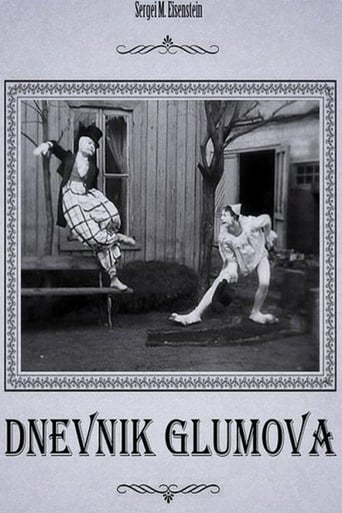
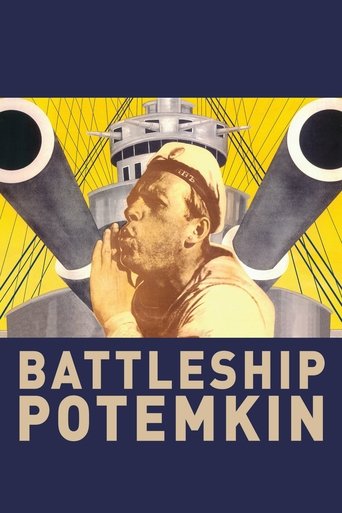
Soviet actor who briefly appeared during the formative years of Soviet cinema in the 1920s. His career, though spanning only three years from 1923 to 1925, coincided with some of the most works in early Soviet film history. Gomorov worked primarily with director Sergei Eisenstein, appearing in his debut film 'Glumov's Diary' (1923), which was Eisenstein's first cinematic endeavor. He continued this collaboration by taking roles in Eisenstein's revolutionary films 'Strike' (1925) and the internationally acclaimed 'Battleship Potemkin' (1925), both of which became cornerstones of cinematic montage theory and Soviet propaganda art. Despite his participation in these historically significant films, Gomorov appears to have had a relatively minor presence in the productions, likely playing supporting or background roles that were typical of ensemble casts in Soviet cinema of the era. His brief film career suggests he may have been a stage actor who transitioned briefly to film or someone whose acting career was cut short by the rapidly changing political and cultural landscape of early Soviet Russia. The limited documentation of his life and career reflects the challenges of preserving detailed records about supporting actors from this period of cinema.
The Craft
Milestones
- Appeared in Sergei Eisenstein's debut film 'Glumov's Diary' (1923)
- Participated in Eisenstein's revolutionary masterpiece 'Strike' (1925)
- Had a role in 'Battleship Potemkin' (1925),
Best Known For
Must-See Films
Working Relationships
Worked Often With
Studios
Why They Matter
Impact on Culture
Mikhail Gomorov's cultural impact is primarily derived from his participation in three foundational works of Soviet cinema that would go on to influence filmmakers worldwide. Though his individual contributions were likely modest, his presence in Eisenstein's early films places him within the revolutionary movement that established Soviet montage theory and changed the language of cinema forever. The films he appeared in, particularly 'Battleship Potemkin,' became essential viewing for film students and historians, meaning that Gomorov, however briefly visible, became part of cinema's permanent artistic heritage. His work exemplifies the collective nature of early Soviet filmmaking, where individual actors often served the greater ideological and artistic vision of directors like Eisenstein.
Lasting Legacy
Mikhail Gomorov's legacy is intrinsically tied to the groundbreaking films of Sergei Eisenstein, which continue to be studied and celebrated nearly a century later. While he did not achieve individual fame or recognition, his participation in these cinematic milestones ensures his place in film history, however minor. The brevity of his career reflects the transient nature of many early film actors' careers, particularly in the Soviet system where political and artistic shifts could dramatically affect professional opportunities. His story represents the countless unsung contributors to classic cinema who helped create enduring masterpieces without receiving individual acclaim.
Who They Inspired
As a supporting actor with a very brief career, Mikhail Gomorov's direct influence on other actors or filmmakers is not documented. However, his participation in Eisenstein's innovative films means he contributed to works that would influence generations of directors, including Alfred Hitchcock, Brian De Palma, and Francis Ford Coppola, who studied and referenced Eisenstein's montage techniques. The collective performances in these early Soviet films helped establish acting styles appropriate to the new cinematic language being developed, emphasizing physical expression and symbolic movement over individual star presence.
Off Screen
Very little is documented about Mikhail Gomorov's personal life, which is typical for many supporting actors from early Soviet cinema whose records were not extensively preserved or whose private lives remained outside public documentation.
Did You Know?
- Appeared in three consecutive films directed by Sergei Eisenstein
- His entire film active years covered only three years during the silent era
- Participated in 'Battleship Potemkin,' which was ranked as the greatest film of all time by Sight & Sound in 1952
- His filmography coincides with the establishment of Soviet montage theory
- Like many early Soviet actors, detailed biographical information about him remains scarce
- Worked during a period when Soviet cinema was establishing itself as a major artistic and political force
- His career ended before the transition to sound films in the Soviet Union
Frequently Asked Questions
Who was Mikhail Gomorov?
Soviet with credits in this catalog.
What films is Mikhail Gomorov best known for?
Titles linked here include Battleship Potemkin (1925), Strike (1925).
When was Mikhail Gomorov born and when did he die?
Specific birth and death dates for Mikhail Gomorov are not documented in available historical records, which is common for many supporting actors from early Soviet cinema.
What awards did Mikhail Gomorov win?
There are no documented awards or honors specifically awarded to Mikhail Gomorov for his acting work, which reflects his status as a supporting actor in ensemble productions.
What was Mikhail Gomorov's acting style?
Specific details about Gomorov's acting style are not documented, but as a performer in Eisenstein's films, he likely worked within the physical and expressionistic style characteristic of Soviet montage cinema of the 1920s.