
Charles Clary
Actor
Born: March 25, 1873 in St. Louis, Missouri, USA Died: March 24, 1931 Active: 1911-1929 Birth Name: Charles Edward Clary
Films
9 films
About Charles Clary
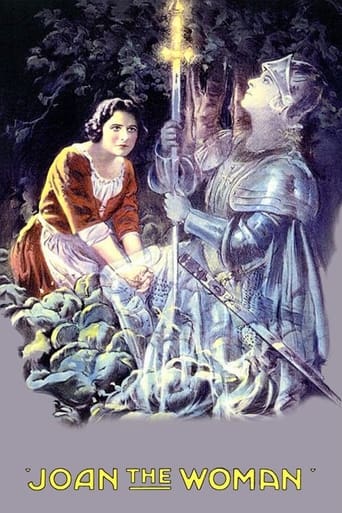
prolific American character actor of the silent film era — known for his commanding presence and versatility in supporting roles. Born in 1873, he began his acting career on the stage before transitioning to motion pictures in the early 1910s with the burgeoning film industry. Clary worked extensively with director Cecil B. DeMille, appearing in several of his early epics including 'Joan the Woman' (1916) and 'The Whispering Chorus' (1918). He was particularly adept at portraying authority figures, often playing judges, military officers, or wealthy businessmen in films ranging from dramas to westerns. Throughout his career, he appeared in over 200 films between 1911 and 1929, working with major studios like Paramount and Fox. Clary's the entire silent era, though he struggled to transition successfully to sound films, making only a few talkie appearances before his retirement. He spent his final years in Los Angeles, passing away in 1931 at the age of 58, leaving behind a substantial body of work that exemplifies the character actor's crucial role in early Hollywood cinema.
The Craft
On Screen
Clary was known for his authoritative screen presence and commanding demeanor, often portraying figures of authority such as judges, military officers, and aristocrats. His acting style was typical of the silent era's theatrical approach, with exaggerated gestures and facial expressions to convey emotion without dialogue. He had a particular talent for conveying gravitas and respectability, making him a reliable choice for roles requiring dignity and authority. Clary's physical stature and distinctive features, including his prominent mustache, made him instantly recognizable to audiences of the time.
Milestones
- Transition from stage to silent films in 1911
- Frequent collaborator with Cecil B. DeMille
- Appeared in over 200 films during silent era
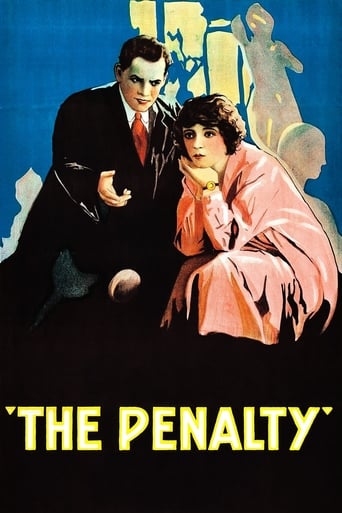
- Notable role in 'The Penalty' (1920) with Lon Chaney
- Prolific character actor in Hollywood's golden age
Best Known For
Iconic Roles
Must-See Films
Working Relationships
Worked Often With
Studios
Why They Matter
Impact on Culture
Charles Clary represents the essential yet often overlooked character actors who formed the backbone of silent era cinema. His extensive filmography provides a valuable record of the types of supporting roles that gave early Hollywood films their depth and authenticity. As a frequent collaborator with directors like Cecil B. DeMille, Clary contributed to the development of the American epic film genre. His career trajectory mirrors the broader challenges faced by silent era actors during the transition to sound, highlighting the technological and artistic shifts that reshaped Hollywood in the late 1920s. Clary's work exemplifies how character actors helped establish cinematic archetypes that would influence film storytelling for decades.
Lasting Legacy
Charles Clary's legacy lies in his substantial contribution to the foundation of American cinema during its formative years. With over 200 film credits, he represents the prolific nature of silent era filmmaking and the importance of reliable character actors in building the industry. While not a major star, his consistent presence in significant films of the 1910s and 1920s makes him an important figure for film historians studying the evolution of Hollywood. His work with directors and alongside legendary performers like Lon Chaney places him at the center of early Hollywood's creative development. Today, film scholars and silent cinema enthusiasts recognize Clary as an exemplar of the professional character actor who helped establish the conventions of film acting and storytelling.
Who They Inspired
Clary influenced subsequent generations of character actors through his professional approach and versatility in supporting roles. His ability to convincingly portray various authority figures helped establish archetypal characters that would become staples in Hollywood cinema. While he didn't directly mentor famous actors, his work ethic and adaptability served as a model for the countless character actors who would follow in his footsteps. His collaborations with visionary directors like DeMille contributed to the development of cinematic techniques in character portrayal that would influence film acting for decades.
Off Screen
Charles Clary was married to actress Lillian Lawrence, with whom he frequently appeared in films during the 1910s. The couple had one child together. Clary was known among his contemporaries as a reliable professional who brought consistency to his numerous supporting roles. He was part of the close-knit Hollywood community during the silent era, often working with the same directors and actors repeatedly. His later years were marked by declining health as the transition to sound films proved challenging for many silent era actors, including himself.
Education
Stage acting training and experience in theater companies prior to film career
Family
- Lillian Lawrence (1915-1931)
Did You Know?
- Appeared in over 200 films during his 18-year career
- Frequently played characters with mustaches, which became his trademark
- Worked with legendary horror star Lon Chaney in 'The Penalty' (1920)
- Was married to actress Lillian Lawrence, his frequent co-star
- Began his career in theater before transitioning to films
- Struggled with the transition to sound films like many silent era actors
- Died just one day before his 58th birthday
- Often played authority figures due to his commanding presence
- Worked during the entire silent era from its early years to its end
- Was part of the stock company of actors frequently used by Cecil B. DeMille
In Their Own Words
While specific quotes are not well-documented, contemporaries noted his professionalism and reliability on set
Known for saying 'The show must go on' during difficult filming conditions
Reportedly told young actors, 'In this business, consistency is more valuable than brilliance'
Frequently Asked Questions
Who was Charles Clary?
Prolific American character with credits in this catalog. He was known for playing authority figures and frequently collaborated with director Cecil B. DeMille in major productions of the 1910s and 1920s.
What films is Charles Clary best known for?
Titles linked here include The Penalty (1920), Joan the Woman (1916).
When was Charles Clary born and when did he die?
Born March 25, 1873; died March 24, 1931.
What awards did Charles Clary win?
Charles Clary did not receive any major awards or nominations during his career. Like many character actors of the silent era, his contributions were recognized through his consistent work and employment rather than formal accolades.
What was Charles Clary's acting style?
Clary's acting style was typical of the silent era, featuring theatrical gestures and exaggerated expressions to convey emotion without dialogue. He specialized in portraying authority figures with gravitas and dignity, often playing judges, military officers, and wealthy businessmen.
Did Charles Clary successfully transition to sound films?
No, Charles Clary struggled with the transition to sound films like many silent era actors. He made only a few appearances in talkies before retiring from acting in 1929, unable to adapt his theatrical style to the new medium.
Who did Charles Clary frequently work with?
Clary frequently collaborated with director Cecil B. DeMille and worked alongside stars like Lon Chaney, Geraldine Farrar, and Wallace Reid. He was also often paired with his wife, actress Lillian Lawrence, in films during the 1910s.