Films
2 films
About Stepan Shahaida
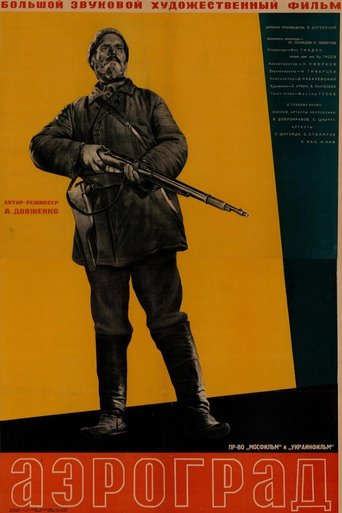
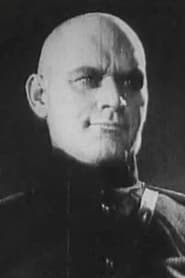
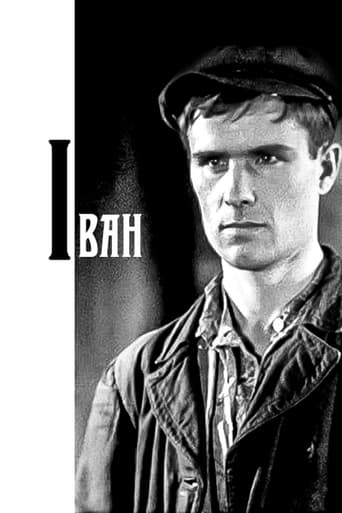
Soviet actor active during the early 1930s, appearing in several notable Soviet productions of the era. His most significant work came through collaborations with prominent Soviet filmmakers, particularly Alexander Dovzhenko. Shahaida appeared in the 1932 film 'Ivan,' which was directed by Alexander Dovzhenko and focused on the life of a young Ukrainian boy growing up during the revolutionary period. His most notable role was in Dovzhenko's 1935 science fiction film 'Aerograd,' where he played a supporting role in this politically charged story about defending Soviet borders in the Far East. Shahaida's career was relatively brief but occurred during a crucial period in Soviet cinema when the industry was establishing its distinctive style and ideological direction. His performances reflected the realistic, heroic acting style favored in Soviet socialist realist cinema of the 1930s. Though his filmography was limited, his work in these significant productions places him within the important generation of early Soviet film actors who helped establish the country's cinematic identity.
The Craft
On Screen
Shahaida's acting style aligned with the socialist realist approach dominant in 1930s Soviet cinema, emphasizing clear character types, heroic portrayals, and ideological clarity. His performances were characterized by straightforward, realistic delivery that served the narrative and political messages of the films, avoiding the more stylized acting of earlier silent cinema while maintaining the emotional intensity required for Soviet propaganda films.
Best Known For
Iconic Roles
Must-See Films
Working Relationships
Worked Often With
Studios
Why They Matter
Impact on Culture
Stepan Shahaida, though not a major star, contributed to the development of Soviet cinema during a crucial transitional period from silent films to sound. His work in Dovzhenko's films places him within the important movement of socialist realist cinema that dominated Soviet artistic production in the 1930s. The films he appeared in, particularly 'Aerograd,' were significant in establishing Soviet science fiction as a genre capable of conveying political and ideological messages while entertaining audiences. His participation in these productions represents the collaborative nature of Soviet filmmaking, where even supporting actors contributed to the overall ideological and artistic impact of the works.
Lasting Legacy
Shahaida's legacy is primarily preserved through his appearances in historically significant Soviet films that continue to be studied by film historians and scholars of Soviet cinema. 'Aerograd' remains an important example of early Soviet science fiction and political cinema, while 'Ivan' is recognized as one of Dovzhenko's important works from the 1930s. Though not widely remembered individually, Shahaida's contributions to these films form part of the broader tapestry of Soviet cinematic achievement during the Stalin era. His work serves as documentation of the acting styles and production values of early Soviet sound cinema.
Who They Inspired
As a supporting actor in relatively few films, Stepan Shahaida's direct influence on other performers or filmmakers appears limited. However, his participation in Dovzhenko's films places him within the influential circle of Soviet filmmakers who shaped the country's cinematic language. The realistic, ideologically clear acting style he employed was representative of the approach that would dominate Soviet cinema for decades, influencing generations of Soviet actors who followed.
Off Screen
Very limited information is available about Stepan Shahaida's personal life, as was common for many supporting actors in early Soviet cinema who were not prominently featured in contemporary press or historical documentation.
Did You Know?
- Appeared in two films directed by the acclaimed Soviet filmmaker Alexander Dovzhenko
- Worked during the transition from silent to sound cinema in the Soviet Union
- His film 'Aerograd' was one of the earliest Soviet science fiction films
- Both of his known surviving films dealt with themes of Soviet border defense and patriotism
- His active years covered only a few years during the early 1930s
- Like many Soviet actors of his era, his personal details remain largely undocumented in Western film references
- His films were produced during the height of socialist realist aesthetic in Soviet art
- Dovzhenko's films from this period were considered significant achievements in Soviet cinema
Frequently Asked Questions
Who was Stepan Shahaida?
Soviet with credits in this catalog. He was a supporting actor during the formative period of Soviet sound cinema.
What films is Stepan Shahaida best known for?
When was Stepan Shahaida born and when did he die?
Specific birth and death dates for Stepan Shahaida are not readily available in historical records, which was common for many supporting Soviet actors of his era who were not extensively documented in contemporary press.
What awards did Stepan Shahaida win?
There are no documented awards or nominations for Stepan Shahaida, which was typical for supporting actors in early Soviet cinema who were not prominently recognized by official Soviet cultural institutions.
What was Stepan Shahaida's acting style?
Shahaida's acting style reflected the socialist realist approach dominant in 1930s Soviet cinema, characterized by realistic, clear portrayals that served the ideological messages of the films. His performances were straightforward and emotionally direct, avoiding the theatricality of silent cinema while maintaining the heroic qualities valued in Soviet film.