

Paul Robeson
Actor
Born: April 9, 1898 in Princeton, New Jersey, USA Died: January 23, 1976 Active: 1920-1963 Birth Name: Paul Leroy Robeson
Films
2 films
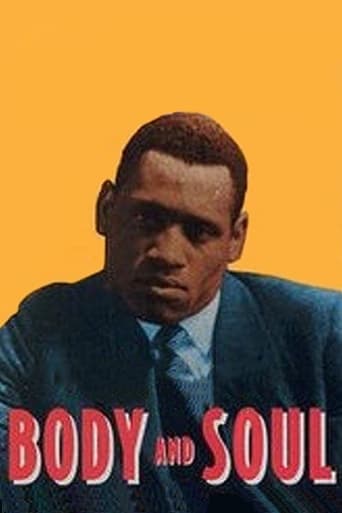
About Paul Robeson
Paul Leroy Robeson — towering figure of the 20th century whose multifaceted acting, singing, athletics, and civil rights activism. Born in 1898, he excelled academically and athletically at Rutgers University, becoming an All-American football player while earning Phi Beta Kappa honors. After briefly attending Columbia Law School, Robeson turned to the stage, making his Broadway debut in 1920 and quickly gaining acclaim for his powerful baritone voice and commanding presence. His film career began with the silent drama 'Body and Soul' (1925), where he portrayed a corrupt preacher, followed by his starring role in 'The Emperor Jones' (1933), the first major film to feature an African American actor in a leading role. Beyond cinema, Robeson became an internationally renowned concert singer, performing in over 25 languages and using his platform to advocate for racial equality and workers' rights. His political activism, including support for the Soviet Union and civil rights causes, led to blacklisting during the McCarthy era, severely limiting his career in the 1950s. Despite these challenges, Robeson's legacy as a artist and activist endured, and his contributions to breaking racial barriers in entertainment and society remain profound.
The Craft
On Screen
Robeson possessed a commanding physical presence and a deep, resonant voice that could convey both vulnerability and immense power. His acting style combined naturalistic emotion with theatrical gravitas, often portraying characters struggling against oppression while maintaining their dignity. He brought unprecedented depth and complexity to African American roles at a time when most were limited to stereotypes, infusing his performances with political consciousness and cultural authenticity. His background in Shakespearean theater and classical music informed his precise diction and rhythmic delivery, while his athletic build allowed him to dominate the screen physically.
Milestones
- Starred in the first major film with an African American lead, 'The Emperor Jones' (1933)
- Became the first African American to play Othello on Broadway with a white cast (1943)
- Sold-out concert tours across Europe, America, and the Soviet Union
- First African American to star in a British film, 'Sanders of the River' (1935)
- Inducted into the College Football Hall of Fame (1995)
- Received the Stalin Peace Prize (1952)
- Testified before the House Un-American Activities Committee (1956)
- Had his passport restored after an 8-year battle (1958)
Best Known For
Iconic Roles
Must-See Films
Accolades
Won
- NAACP Spingarn Medal (1945)
- Stalin Peace Prize (1952)
- Grammy Hall of Fame Award for 'Ol' Man River' (1998, posthumous)
- Rutgers University Hall of Alumni (1972)
- Theatre World Award for 'Othello' (1943)
- Donaldson Award for Best Actor for 'Othello' (1944)
Nominated
- Academy Award consideration for 'The Emperor Jones' (though not officially nominated due to racial barriers)
Special Recognition
- Hollywood Walk of Fame Star (1960, later removed due to political pressure, reinstated in 1978)
- American Theater Hall of Fame (1979, posthumous)
- New Jersey Hall of Fame (2008, posthumous)
- Black Filmmakers Hall of Fame (1977, posthumous)
- Rutgers Athletic Hall of Fame (1988, posthumous)
- National Register of Historic Places designation for his Princeton home (2016)
Working Relationships
Worked Often With
Studios
Why They Matter
Impact on Culture
Paul Robeson revolutionized the representation of African Americans in cinema and theater, breaking barriers as the first Black actor to achieve leading man status in mainstream films. His portrayal of complex, dignified characters challenged the racist stereotypes prevalent in 1920s and 1930s Hollywood, paving the way for future generations of Black performers. Beyond his artistic contributions, Robeson used his international fame to advocate for civil rights, labor rights, and anti-colonial movements, becoming. His insistence on performing for integrated audiences and his refusal to accept degrading roles helped transform the entertainment industry's approach to race. Robeson's multilingual abilities and global popularity made him a cultural ambassador who connected African American struggles with international movements for equality and justice.
Lasting Legacy
Robeson's legacy encompasses his groundbreaking artistic achievements, his unwavering commitment to social justice, and his courage in the face of political persecution. As an artist, he demonstrated that African American performers could carry major productions and achieve international stardom on their own terms. His recordings of spirituals and folk songs, particularly 'Ol' Man River,' remain definitive interpretations that influenced countless musicians. Politically, Robeson's willingness to sacrifice his career for his principles inspired later generations of activist artists. The restoration of his passport and the posthumous recognition of his contributions represent society's gradual acknowledgment of the injustice he faced. Today, Robeson is remembered as a Renaissance man whose talents spanned multiple disciplines and whose moral courage matched his artistic genius.
Who They Inspired
Robeson directly influenced subsequent generations of African American performers, including Harry Belafonte, who cited him as a mentor, and Sidney Poitier, who benefited from the doors Robeson opened. His approach to combining artistry with activism became a model for later celebrity activists. Musicians from Nina Simone to Common have drawn inspiration from his fusion of music and political consciousness. His international perspective and multilingual performances prefigured the global approach of later artists. The way he maintained his dignity and principles under government pressure set an example for artists facing political persecution. Robeson's emphasis on cultural pride and historical consciousness influenced the Black Arts Movement of the 1960s and continues to resonate in contemporary discussions about representation and social responsibility in entertainment.
Off Screen
Robeson married Eslanda 'Essie' Goode in 1921, a fellow student at Columbia who became his manager and political collaborator. Their son, Paul Robeson Jr., was born in 1927 and later became a historian and archivist of his father's work. The couple's relationship was complex, marked by both deep partnership and periods of separation, including Essie's independent career as an anthropologist and author. Robeson had several extramarital affairs, most notably with actress Fredi Washington, which caused temporary marital strain. Despite these challenges, the family remained united in the face of political persecution, with Essie playing a crucial role in defending Paul during his blacklisting period.
Education
Family
- Eslanda Goode Robeson (1921-1965, her death)
Did You Know?
- Spoke over 20 languages fluently, including Russian, Chinese, and several African languages
- Was an All-American football player at Rutgers and considered playing professionally before choosing entertainment
- Stood 6'3" tall with a powerful physique that contributed to his commanding screen presence
- Was the first African American to play football at Rutgers and only the third Black student overall
- His concert at Carnegie Hall in 1937 was the first solo recital by an African American singer at the venue
- Once performed for 75,000 people at the Hollywood Bowl, setting an attendance record
- Was offered a contract with the NFL's Akron Pros but declined to pursue his education
- His passport was revoked by the U.S. Government from 1950 to 1958 due to his political views
- Graduated valedictorian of his high school class and won a full scholarship to Rutgers
- Was a member of Phi Beta Kappa and Cap and Skull, Rutgers' most prestigious honor society
- Recorded the definitive version of 'Ol' Man River' and performed it in multiple languages
- Met with Soviet leaders including Stalin and was awarded the International Peace Prize
- Was investigated by the FBI for over 30 years, with files exceeding 3,000 pages
In Their Own Words
The artist must elect to fight for freedom or slavery. I have made my choice. I had no alternative.
I am a Negro. My father was a slave and my people died to build this country, and I'm going to stay right here and have a part of it just like you.
Through my singing and acting and speaking, I want to make freedom ring. Maybe I can touch people's hearts better than I can their minds.
In my music, my plays, my films, I want to carry always this gospel of freedom.
I have learned that my people are not the only ones oppressed. I have sung my songs all over the world, and everywhere I have found common people who are not interested in color but in human values.
The answer to injustice is not to silence the critic but to end the injustice.
Frequently Asked Questions
Who was Paul Robeson?
African American with credits in this catalog. He broke racial barriers in entertainment as the first Black leading man in major films and became renowned for his powerful baritone voice. Beyond his artistic career, Robeson — passionate advocate for social justice and workers' rights worldwide.
What films is Paul Robeson best known for?
Titles linked here include The Emperor Jones (1933), Body and Soul (1925).
When was Paul Robeson born and when did he die?
Born April 9, 1898; died January 23, 1976.
What awards did Paul Robeson win?
Robeson received the NAACP Spingarn Medal in 1945, the Stalin Peace Prize in 1952, and numerous posthumous honors including Grammy Hall of Fame induction. He was also inducted into the College Football Hall of Fame and received various theatrical awards for his Broadway performances, particularly for his role in 'Othello'.
What was Paul Robeson's acting style?
Robeson's acting style combined commanding physical presence with deep emotional authenticity and a powerful, resonant voice. He brought unprecedented dignity and complexity to African American roles, infusing his performances with political consciousness while maintaining classical theatrical technique. His background in both athletics and music contributed to his distinctive screen presence.