
Ask Father
"Office siege for a proposal"
Keys: Space play/pause · ←/→ 10s · F fullscreen · M mute · </> speed
About this film
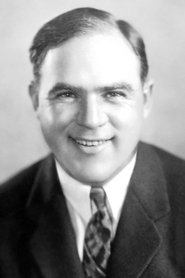
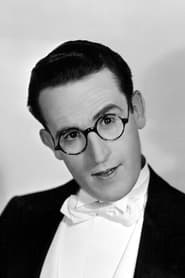
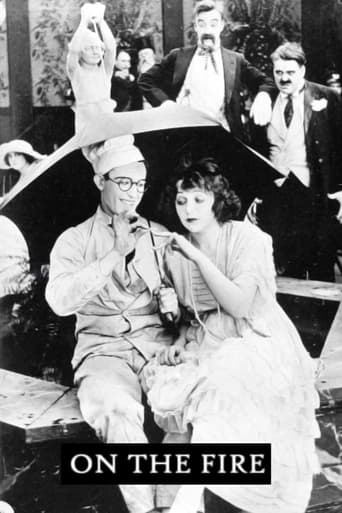
Lloyd is a serious young middle-class guy on the make who wants to marry the boss’ daughter. The problem is getting in to see the boss so that he can ask for her hand in marriage as the office is guarded by a bunch of comic, clumsy flunkies who throw everyone out who tries to get.
Cast & crew
More films like this
More Comedy films
View all →







More from Hal Roach
View all →

More about this film
About the production
Release dateFebruary 9, 1919
BudgetApproximately $5,000 - $10,000 (Estimated for Roach one-reelers of the era)
ProductionRolin Film Company
Filmed inLos Angeles, California, Hal Roach Studios, Culver City, California
The film was produced during a pivotal transition for Harold Lloyd as he moved away from the 'Lonesome Luke' character toward his notable 'Glasses' persona. Filming took place between July 30 and August 1, 1918, with additional work in mid-August. This was one of the last films Lloyd made before his near-fatal accident with a prop bomb in 1919, which resulted in the loss of his thumb and forefinger. The production utilized the 'Rolin' formula of high-speed slapstick combined with the emerging 'thrill comedy' elements that would later define Lloyd's career.
Themes
AmbitionPersistenceBureaucracyRomantic PursuitSocial Mobility
Themes & topics
officeproposalclimbing a buildingslapstickchasefather-in-lawdetermination
Historical background
Ask Father reached screens around 1919, produced in its country of origin. Silent-era houses paired such titles with live music and newsreel bills.
Why this film matters
Researchers cite Ask Father when tracing screen culture of its decade.
Making of
During the production of 'Ask Father,' the Hal Roach crew was known for its improvisational style. While a basic script existed, many of the gags involving the office flunkies were developed on the spot to maximize the physical comedy of the space. Lloyd was already beginning to experiment with the 'thrill' elements that would make him famous, insisting on doing his own stunts, including the exterior building climb. The chemistry between Lloyd and Bebe Daniels was a significant draw for audiences, and their off-screen relationship added a layer of genuine charm to their scenes. This film also highlights the transition of the Roach studio from simple slapstick to more sophisticated, character-driven comedy.
What critics said
Reviewers in 1919 weighed Ask Father on clarity, pacing, and audience response rather than prestige status. No single canonical review dominates later reference works for the title.
Did you know?
- This film features an early example of Harold Lloyd's 'thrill' sequences, where he climbs the side of a building—a precursor to his famous stunts in 'Safety Last!' (1923).
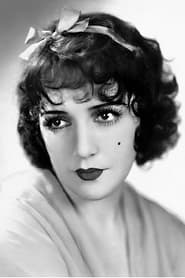
- Bebe Daniels, who plays the daughter, was Harold Lloyd's real-life romantic partner at the time; they were known as 'The Boy' and 'The Girl.'
- The film was re-released in 1922 by Pathé Exchange to capitalize on Lloyd's growing superstardom.
- Harold Lloyd's character in this film is a 'middle-class go-getter,' a archetype that resonated deeply with American audiences of the post-WWI era.
- The 'Glasses' character was so effective at hiding Lloyd's identity that he could often walk through crowds unrecognized when he took them off.
- The film uses a 'treadmill' effect for some of the chase sequences, a common but effective technical trick of the era.
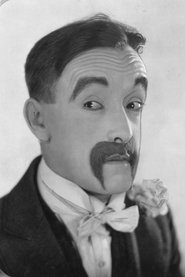
- Snub Pollard, who plays one of the flunkies, was a staple of the Hal Roach studio and often served as the comic foil to Lloyd.
- The film's title is a play on the traditional social requirement of asking a father's permission for marriage, which Lloyd turns into a literal physical battle.
Visual style
The film features standard but effective silent-era cinematography, primarily using static medium shots for dialogue (intertitles) and wider shots for the physical comedy. Notable is the use of 'forced perspective' and clever camera angles during the building climb to make the height appear more perilous than it actually was. The lighting is typical of the 'glass-top' studios of the era, providing bright, even illumination for the office interiors.
Innovations
The film is noted for its sophisticated use of 'prop gags' and the coordination of large-scale physical comedy within a confined office set. The building climb sequence utilized early 'thrill' techniques, including the construction of sets on rooftops to allow for safe but realistic-looking heights against the Los Angeles skyline.
Music
As a silent film, 'Ask Father' originally had no synchronized soundtrack. It was typically accompanied by a live pianist or organist in theaters. Modern restorations often feature scores by silent film composers like Robert Israel or Ben Model, who use upbeat, ragtime-influenced music to match the film's frantic energy.
Famous quotes
Intertitle: 'The Boy—who has a date with the girl, but first he must Ask Father.'
Memorable scenes
- The 'Human Fly' sequence where Harold climbs the exterior of the office building to bypass the guards.
- The chaotic office scene where Harold is repeatedly thrown out by a group of identical-looking, clumsy flunkies.
- The final twist where Harold realizes he has been chasing the wrong goal in the office.
What audiences thought
Audiences in 1919 responded enthusiastically to the film's relatable premise and high-energy gags. Lloyd was becoming a top box-office draw, and 'Ask Father' solidified his status as a rival to Charlie Chaplin. The film's mix of domestic romance and chaotic slapstick made it a favorite in nickelodeons and early movie palaces alike.
Film connections
Influenced by
- The physical comedy of Mack Sennett
- The 'Go-Getter' philosophy of the early 20th century
- Douglas Fairbanks' athleticism
This film influenced
- Safety Last! (1923)
- Feet First (1930)
- Modern Times (1936)
Film restoration
The film is well-preserved and has been restored. It is included in various Harold Lloyd collections and is available in high-quality digital formats.
Where to watch
- The Criterion Channel
- HBO Max (via TCM)
- Harold Lloyd: The Third Genius Collection (DVD/Blu-ray)
- Public Domain archives (YouTube/Internet Archive)