
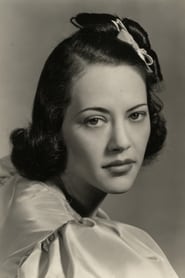
Fredi Washington
Actor
Born: December 23, 1903 in Savannah, Georgia, USA Died: June 28, 1994 Active: 1929-1937 Birth Name: Fredericka Carolyn Washington
Films
3 films

About Fredi Washington
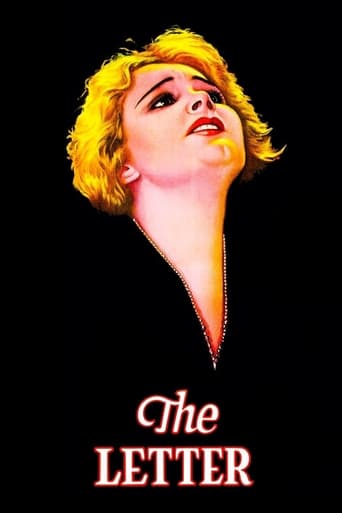
African American actress, dancer, and civil rights activist who broke barriers in early Hollywood during the transition from silent films to talkies. Born in Savannah, Georgia, she moved to New York City as a child and began her career as a dancer in the chorus lines of Harlem's prestigious Cotton Club. Her breakthrough came with her role in Duke Ellington's short film 'Black and Tan' (1929), followed by appearances in 'The Letter' (1929) and her most acclaimed performance as Daphne in 'The Emperor Jones' (1933) opposite Paul Robeson. Despite her remarkable talent and striking beauty, Washington faced persistent racial discrimination in Hollywood and was often passed over for roles that were instead given to white actresses in blackface. Frustrated by the limited opportunities and typecasting, she gradually stepped back from her acting career in the late 1930s to focus on civil rights activism and journalism. She co-founded the Negro Actors Guild of America in 1937 and worked as a theater critic and columnist for several African American newspapers, using her platform to advocate for better representation and opportunities for black performers in the entertainment industry.
The Craft
On Screen
Washington was known for her naturalistic and emotionally resonant acting style, which stood in contrast to the exaggerated theatrical performances common in early sound films. She brought depth and authenticity to her roles, particularly in 'The Emperor Jones' where her portrayal of Daphne showcased her ability to convey complex emotions with subtlety and grace. Her performances were characterized by a dignified presence and a refusal to resort to stereotypical mannerisms that were often demanded of black actors during that era.
Milestones
- Breakthrough performance in 'Black and Tan' (1929) with Duke Ellington
- Critical acclaim for 'The Emperor Jones' (1933) opposite Paul Robeson
- Co-founded the Negro Actors Guild of America in 1937
- Worked as theater critic and columnist for African American newspapers
- advocate for better representation of black performers in Hollywood
Best Known For
Iconic Roles
Must-See Films
Accolades
Special Recognition
- Inducted into the Black Filmmakers Hall of Fame in 1975
- Honored by the Negro Actors Guild for her contributions
- Recognized by civil rights organizations for her activism
Working Relationships
Worked Often With
Studios
Why They Matter
Impact on Culture
Fredi Washington's impact on cinema and culture extends far beyond her relatively brief film career. As one of the first African American actresses to gain recognition in Hollywood's early sound era, she challenged the industry's discriminatory practices and refused to accept roles that demeaned black people. Her decision to identify proudly as African American despite her light skin, when she could have passed as white to access more opportunities, made a powerful statement about racial identity and integrity. Through her co-founding of the Negro Actors Guild and her work as a journalist and activist, she helped pave the way for future generations of black performers and contributed significantly to the civil rights movement within the entertainment industry.
Lasting Legacy
Fredi Washington's legacy is that of a trailblazer who used her visibility and talent to advocate for racial equality in American cinema. While her filmography was limited due to the systemic racism of her era, her performances, particularly in 'The Emperor Jones,' demonstrated the capability and artistry of African American actors. Her greatest legacy lies in her activism and the institutions she helped create, which continued to fight for fair representation and opportunities long after her retirement from acting. She is remembered as a courageous pioneer who refused to compromise her principles and helped lay the groundwork for the civil rights victories that would come in later decades.
Who They Inspired
Washington influenced subsequent generations of African American performers by demonstrating the importance of maintaining artistic integrity and using one's platform for social change. Her activism through the Negro Actors Guild provided a model for industry advocacy that would be emulated by later organizations. Her refusal to accept stereotypical roles helped create a precedent for black actors demanding more substantial and dignified representations. Many later African American actresses, including Lena Horne and Dorothy Dandridge, benefited from the barriers Washington helped break down.
Off Screen
Fredi Washington was married twice, first to trombonist Lawrence Brown from 1933 to 1948, and later to Anthony H. Bell. She had no children. Due to her very light skin complexion, she was often mistaken for white, but she proudly identified as African American and refused to pass as white to advance her career. She was known for her intelligence, strong principles, and dedication to civil rights causes throughout her life.
Education
Attended St. Elizabeth's Convent and Julia Richman High School in New York City
Family
- Lawrence Brown (1933-1948)
- Anthony H. Bell (1952-1994)
Did You Know?
- Her light skin complexion often led to her being offered roles intended for white actresses, which she consistently refused
- She was one of the first African American actresses to be featured on a magazine cover
- Washington turned down a seven-year contract from MGM because it offered only stereotypical maid roles
- She was a skilled dancer who performed with the Cotton Club's chorus line before transitioning to acting
- Her sister Isabel Washington was also an actress and married to prominent politician Adam Clayton Powell Jr.
- Despite her beauty and talent, Hollywood producers refused to cast her in romantic leading roles opposite white actors
- She worked as a theater critic for the People's Voice newspaper, founded by Adam Clayton Powell Jr.
- Washington — founding member of the Negro Actors Guild of America in 1937
- She appeared in only a handful of films due to limited opportunities for black actresses in the 1930s
- Her performance in 'The Emperor Jones' was considered groundbreaking for its dignified portrayal of a black character
In Their Own Words
I don't want to become a star. I want to be an actress. I'm not interested in being a 'Negro actress' – I'm interested in being an actress, period.
Because I'm fair-skinned, many people think I'm white. I'm a Negro and I'm proud of it.
I was never offered the kind of roles that white actresses got. I was always the maid or the native girl.
The problem with Hollywood is that it wants to make the Negro a buffoon or a saint. It doesn't want to show him as a human being.
Frequently Asked Questions
Who was Fredi Washington?
African American actress, dancer, and civil rights activist active in Hollywood during the late 1920s and 1930s. She is best known for her role in 'The Emperor Jones' (1933) and for co-founding the Negro Actors Guild of America to fight for better representation of black performers in the entertainment industry.
What films is Fredi Washington best known for?
Titles linked here include The Emperor Jones (1933), Black and Tan (1929).
When was Fredi Washington born and when did she die?
Born December 23, 1903; died June 28, 1994.
What awards did Fredi Washington win?
While Fredi Washington did not receive major film awards during her career due to the limited opportunities and discrimination of her era, she was posthumously inducted into the Black Filmmakers Hall of Fame in 1975. Her greatest recognition came from civil rights organizations and the African American community for her activism and advocacy work.
What was Fredi Washington's acting style?
Fredi Washington was known for her naturalistic and emotionally authentic acting style, which contrasted with the theatrical performances common in early sound films. She brought dignity and depth to her roles, refusing to resort to the stereotypical mannerisms often demanded of black actors. Her performances were characterized by subtlety, grace, and a strong sense of self-respect.
Why did Fredi Washington retire from acting?
Fredi Washington largely retired from acting in the late 1930s due to persistent racial discrimination and limited opportunities in Hollywood. She was repeatedly passed over for substantial roles, which were instead given to white actresses in blackface. Frustrated by these barriers, she chose to focus on civil rights activism, co-founding the Negro Actors Guild and working as a journalist to advocate for better representation.
How did Fredi Washington contribute to civil rights?
Fredi Washington made significant contributions to civil rights through her activism in the entertainment industry. She co-founded the Negro Actors Guild of America in 1937 to fight for fair treatment and opportunities for black performers. She also worked as a theater critic and columnist, using her writing to advocate for racial equality and challenge discriminatory practices in Hollywood and theater.