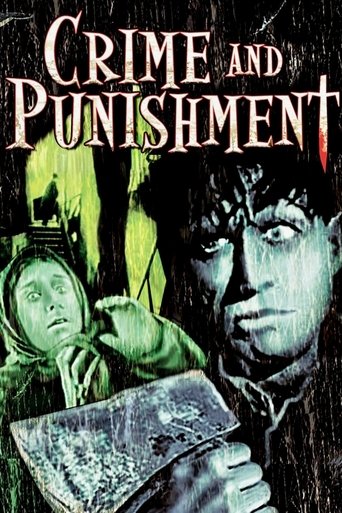
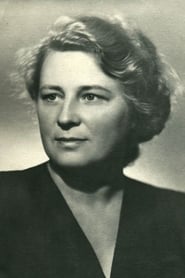
Alla Tarasova
Actor
Born: January 25, 1898 in Kiev, Russian Empire (now Kyiv, Ukraine) Died: April 5, 1973 Active: 1923-1952 Birth Name: Alla Konstantinovna Tarasova
Films
6 films
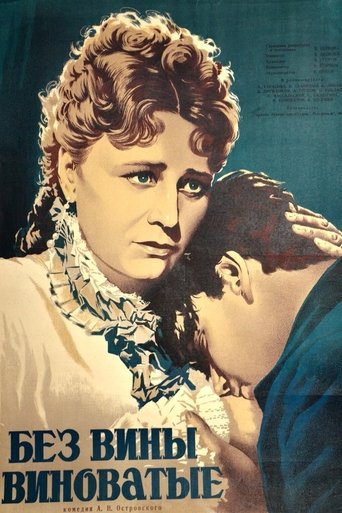
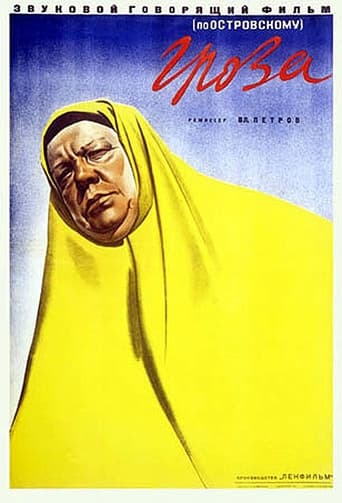
About Alla Tarasova
Alla Konstantinovna Tarasova (1898-1973) was actresses of Soviet cinema and theatre, renowned for her powerful dramatic performances and deep emotional range. Born in Kiev, she began her career at the Moscow Art Theatre under the Konstantin Stanislavski, where she developed her method acting technique. Her breakthrough came in the 1920s with stage performances in classical Russian plays, which led to her transition to film in the silent era. Tarasova's film career flourished in the 1930s and 1940s, where she became particularly known for her adaptations of Russian literature, including her role as Katerina in 'Thunderstorm' (1934). During World War II, she performed for soldiers at the front lines and continued her acting career into the 1950s. Her contributions to Soviet arts were recognized with the highest honors, including multiple Stalin Prizes and the title of People's Artist of the USSR. Tarasova's legacy endures as one of the foundational figures of Soviet acting, whose performances embodied the depth and complexity of Russian dramatic tradition.
The Craft
On Screen
Tarasova was renowned for her method acting approach, deeply influenced by Stanislavski's system. Her performances were characterized by intense emotional authenticity, psychological depth, and a powerful stage presence that translated effectively to film. She specialized in tragic heroines, bringing a unique blend of vulnerability and strength to her roles, with a particular talent for conveying complex inner conflicts through subtle facial expressions and body language.
Milestones
- Joined Moscow Art Theatre (1921)
- Breakthrough role in 'Thunderstorm' (1934)
- Awarded Stalin Prize (1937)
- Named People's Artist of the USSR (1937)
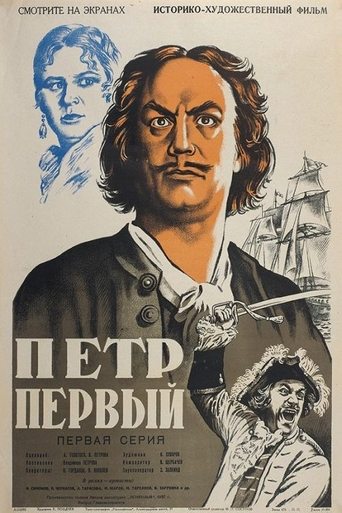
- Starred in 'Peter the First' (1937)
- Received second Stalin Prize (1941)
- Performed for troops during WWII
- Received third Stalin Prize (1946)
Best Known For
Iconic Roles
Must-See Films
Accolades
Won
- Stalin Prize (1937)
- Stalin Prize (1941)
- Stalin Prize (1946)
- Order of Lenin (1938)
- Order of the Red Banner of Labour (1948)
- Order of the Badge of Honour (1938)
Nominated
- Nominated for Best Actress at Venice Film Festival for 'Thunderstorm' (1934)
Special Recognition
- People's Artist of the USSR (1937)
- Hero of Socialist Labour (1973)
- Honored Artist of the RSFSR (1933)
- Moscow Art Theatre leading actress (1921-1973)
Working Relationships
Worked Often With
Studios
Why They Matter
Impact on Culture
Alla Tarasova profoundly shaped Soviet cinema and theatre through her approach to method acting and her definitive interpretations of Russian literary characters. Her performances in adaptations of classical Russian literature helped establish a cinematic tradition that honored the country's literary heritage while making it accessible to mass audiences. As one of the first Soviet actresses to achieve international recognition, she represented Soviet artistic excellence abroad, particularly at the Venice Film Festival in the 1930s. Her work during World War II, performing for soldiers and contributing to morale-boosting films, demonstrated the cultural role of artists in Soviet society. Tarasova's success also paved the way for women in Soviet cinema, proving that female leads could carry major productions and achieve critical acclaim.
Lasting Legacy
Alla Tarasova's legacy endures as one of the foundational figures of Soviet acting, whose techniques and performances continue to influence Russian theatre and cinema today. Her recordings and films are studied in acting schools throughout Russia as exemplars of the Stanislavski method in practice. The Moscow Art Theatre, where she spent her entire career, preserves her memory through archival materials and continued performances of plays in which she starred. Her film adaptations of Russian classics remain important cultural artifacts, representing the golden age of Soviet cinema. Tarasova is remembered not only for her artistic achievements but also for her role in elevating the status of theatre and film actors in Soviet society, helping establish acting as a respected and vital profession.
Who They Inspired
Tarasova's method acting approach, learned directly from Stanislavski, influenced generations of Soviet and Russian actors who followed. Her technique of combining emotional authenticity with technical precision became a model for dramatic performance in Soviet cinema. Younger actresses particularly looked to her interpretations of complex female characters as templates for their own work. Her success in bridging theatre and film demonstrated to future generations how classical training could enhance cinematic performance. International actors who encountered her work at film festivals were impressed by her emotional depth and psychological realism, contributing to the global appreciation of Soviet acting methods.
Off Screen
Alla Tarasova was known for her dedication to her craft and maintained a relatively private personal life despite her immense fame. She never married or had children, choosing to devote herself entirely to her artistic career and the Moscow Art Theatre. Her life was deeply intertwined with the theatre, where she not only performed but also mentored younger generations of actors. During the difficult years of World War II, she demonstrated remarkable courage by performing for soldiers at the front lines. Tarasova lived in Moscow throughout her adult life and remained active in the theatre community until her death in 1973.
Education
Graduated from Kiev Gymnasium (1916), Studied at Moscow Art Theatre School under Konstantin Stanislavski and Vsevolod Meyerhold (1916-1921)
Did You Know?
- Was one of the first Soviet actresses to achieve international recognition at Venice Film Festival
- Never married or had children, dedicating her life entirely to her art
- Performed for soldiers at the front lines during World War II
- Received three Stalin Prizes, the highest artistic honor in the Soviet Union
- Was personally praised by Joseph Stalin for her performances
- Her voice was considered ideal for early Soviet sound films due to its clarity and emotional range
- Continued performing on stage even after her film career ended
- Was known for her intense preparation method, sometimes spending months studying for a single role
- Her apartment in Moscow became a gathering place for theatrical intellectuals
- Was offered Hollywood roles in the 1930s but declined to remain in the Soviet Union
In Their Own Words
The stage is not a place for entertainment, it is a place for truth
To act is not to pretend, but to become
Every role must be lived, not played
The actor's duty is to serve the truth of the character and the truth of the times
Art without ideology is empty, but ideology without art is dead
Frequently Asked Questions
Who was Alla Tarasova?
Alla Tarasova was. She was a leading actress at the Moscow Art Theatre and starred in numerous classic Soviet films, particularly adaptations of Russian literature. Her powerful dramatic performances earned her three Stalin Prizes and the title of People's Artist of the USSR.
What films is Alla Tarasova best known for?
Titles linked here include Thunderstorm (1934), Peter the First, Part I (1937).
When was Alla Tarasova born and when did she die?
Born January 25, 1898; died April 5, 1973.
What awards did Alla Tarasova win?
Tarasova received the highest honors available to Soviet artists, including three Stalin Prizes (1937, 1941, and 1946), the title of People's Artist of the USSR (1937), and was named a Hero of Socialist Labour (1973). She also received the Order of Lenin, the Order of the Red Banner of Labour, and was nominated for Best Actress at the Venice Film Festival.
What was Alla Tarasova's acting style?
Tarasova excelled in method acting, trained directly under Konstantin Stanislavski at the Moscow Art Theatre. Her style was characterized by intense emotional authenticity, psychological depth, and powerful dramatic presence. She specialized in tragic heroines and was known for her ability to convey complex inner conflicts through subtle expressions and body language.
Did Alla Tarasova work with any famous directors?
Yes, Tarasova collaborated with many prominent Soviet directors including Vsevolod Pudovkin, Mikhail Romm, and Grigori Roshal. Her most important artistic collaboration was with theatre directors Konstantin Stanislavski and Vladimir Nemirovich-Danchenko at the Moscow Art Theatre, who profoundly shaped her artistic approach.
What was Alla Tarasova's connection to the Moscow Art Theatre?
The Moscow Art Theatre was the center of Tarasova's entire professional life. She joined in 1921 after studying at their theatre school and remained there until her death in 1973. She became one of the theatre's leading actresses, starring in numerous classical productions and helping maintain its reputation as Russia's premier theatrical institution.