Films
3 films
About Benkei Shiganoya
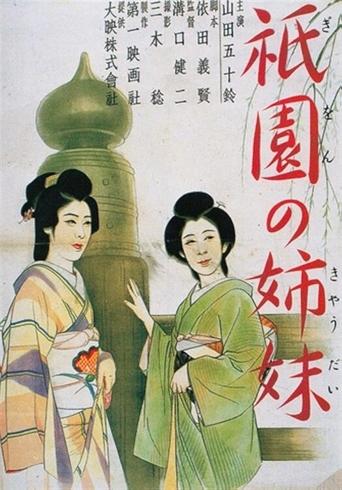
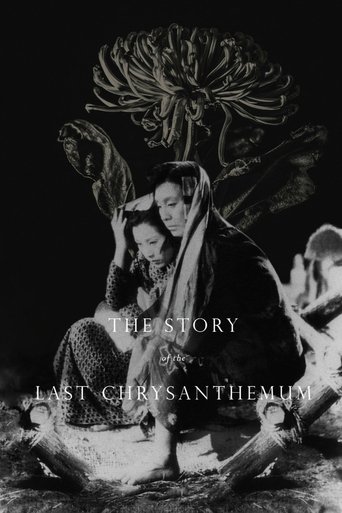
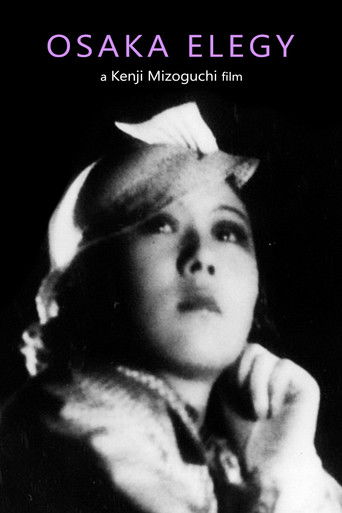
Japanese actor who rose to prominence during the golden age of Japanese cinema in the 1930s, primarily through his collaborations with renowned director Kenji Mizoguchi. His brief but significant from 1936 to 1939, during which he appeared in three of Mizoguchi's most critically acclaimed films that would later become classics of world cinema. Shiganoya's performances in 'Sisters of the Gion' (1936) and 'Osaka Elegy' (1936) showcased his ability to portray complex characters in socially critical narratives that examined the struggles of women in Japanese society. His final known film appearance was in 'The Story of the Last Chrysanthemum' (1939), Mizoguchi's masterpiece about the traditional Kabuki theater world. Despite his limited filmography, Shiganoya's work contributed significantly to these films' enduring legacy as important examples of Japanese realist cinema. His performances demonstrated a naturalistic acting style that aligned with Mizoguchi's directorial vision of social commentary and human drama. After 1939, Shiganoya seemingly disappeared from the film industry, leaving behind a small but memorable body of work that continues to be studied by film scholars and enthusiasts of classic Japanese cinema.
The Craft
On Screen
Naturalistic and understated, embodying the realist approach favored by director Kenji Mizoguchi. Shiganoya's performances were characterized by subtle emotional depth and authentic portrayals of ordinary Japanese people during the pre-war period.
Milestones
- Debut in Sisters of the Gion (1936)
- Starred in Osaka Elegy (1936)
- Final film appearance in The Story of the Last Chrysanthemum (1939)
- Collaborated with director Kenji Mizoguchi on three major films
Best Known For
Iconic Roles
Must-See Films
Working Relationships
Worked Often With
Studios
Why They Matter
Impact on Culture
Benkei Shiganoya, though appearing in only three films, contributed to some of the most important works in Japanese cinema history. His performances in Kenji Mizoguchi's films helped establish the realist tradition in Japanese filmmaking, which would influence generations of directors worldwide. These films were groundbreaking in their social commentary and feminist perspectives, challenging traditional Japanese societal norms and values. Shiganoya's work, while not widely recognized during his time, has gained appreciation through film retrospectives and academic study of classic Japanese cinema. The films he appeared in are now considered essential viewing for understanding the development of Japanese cinema and its influence on world film history.
Lasting Legacy
Benkei Shiganoya's legacy is intrinsically tied to the three masterpieces he helped create with Kenji Mizoguchi. Though his career was brief and his personal life remains mysterious, his contributions to these films have ensured his place in cinema history. The films he appeared in continue to be studied, restored, and screened at film festivals and retrospectives worldwide, introducing new generations to the golden age of Japanese cinema. His performances serve as examples of the naturalistic acting style that defined Japanese cinema's transition to more realistic portrayals of human experience. Film scholars and historians recognize these works as crucial documents of pre-war Japanese society and as artistic achievements that transcended their time and place.
Who They Inspired
While Benkei Shiganoya himself did not directly mentor or influence other actors due to his brief career, his work in Mizoguchi's films contributed to the development of realistic acting styles in Japanese cinema. The naturalistic approach he demonstrated influenced subsequent generations of Japanese actors who sought to move away from theatrical traditions toward more authentic performances. The films he appeared in, particularly their social realist elements and feminist perspectives, influenced directors worldwide, including those in the French New Wave and other cinematic movements of the mid-20th century.
Off Screen
Very little is documented about Benkei Shiganoya's personal life, as he was a relatively obscure actor who appeared in only a few films during the late 1930s. His disappearance from the film industry after 1939 remains unexplained in available historical records.
Did You Know?
- Appeared in only three films, all directed by Kenji Mizoguchi
- His entire film active years covered just three years (1936-1939)
- All three films he appeared in are now considered classics of world cinema
- Disappeared from the film industry after 1939 with no documented explanation
- Worked during a critical period in Japanese cinema when the country was transitioning toward militarism
- His films were part of the movement toward social realism in Japanese cinema
- The films he appeared in were among the first Japanese films to gain international recognition
- Despite his limited output, he worked with some of Japan's most famous actresses of the period
Frequently Asked Questions
Who was Benkei Shiganoya?
Screen credits include three films directed by Kenji Mizoguchi. Though his career was brief, he contributed to some of the most important films in Japanese cinema history.
What films is Benkei Shiganoya best known for?
Titles linked here include Sisters of the Gion (1936), Osaka Elegy (1936).
When was Benkei Shiganoya born and when did he die?
Benkei Shiganoya's birth and death dates are not documented in available historical records, which is not uncommon for supporting actors from this era of Japanese cinema.
What awards did Benkei Shiganoya win?
There are no documented awards or nominations for Benkei Shiganoya, which was typical for character actors in Japanese cinema during the 1930s when formal award systems were not yet established.
What was Benkei Shiganoya's acting style?
Shiganoya employed a naturalistic and understated acting style that aligned with director Kenji Mizoguchi's realist approach. His performances were characterized by subtle emotional depth and authentic portrayals of ordinary Japanese people.
Why did Benkei Shiganoya disappear from films after 1939?
The reason for Shiganoya's disappearance from the film industry after 1939 remains unknown, as there are no documented explanations in available historical records about his career after this date.